


Table of Contents
Best Portable Solar Panel Chargers After 6 Months of Heavy Testing ( 2026 )
The promise of limitless power from the sun, captured in a packable, lightweight panel, seems almost too good to be true. For campers, overlanders, or anyone building out an emergency kit, a reliable portable solar panel isn’t just a convenience; it’s a lifeline. But the market? It’s thick with options, many of them making big claims that wilt under real-world conditions. Here at AccessDave, we don’t just unbox and review. We test. We push. We break things, then we see what still works. This isn’t about first impressions; it’s about what survives a season of hard use.
The Bottom Line: After hauling them through deserts, forests, and across multiple states, we found that long-term durability and consistent power output, even in varied conditions, are what truly separate the good from the quickly forgotten. Our top picks held up, delivering power when it actually mattered.
Key Takeaways
- Power ratings are often optimistic; real-world output can be significantly lower, especially after months of wear.
- Durability isn’t just about surviving drops; it’s about connectors, fabric, and panel integrity under constant sun and weather exposure.
- Matching panel wattage to your actual charging needs (phones vs. power stations) is more important than chasing the highest number.
Our recommendations

BigBlue 30W Solar Panel Charger
Our Pick: The best balance of portability, power, and durability for everyday use
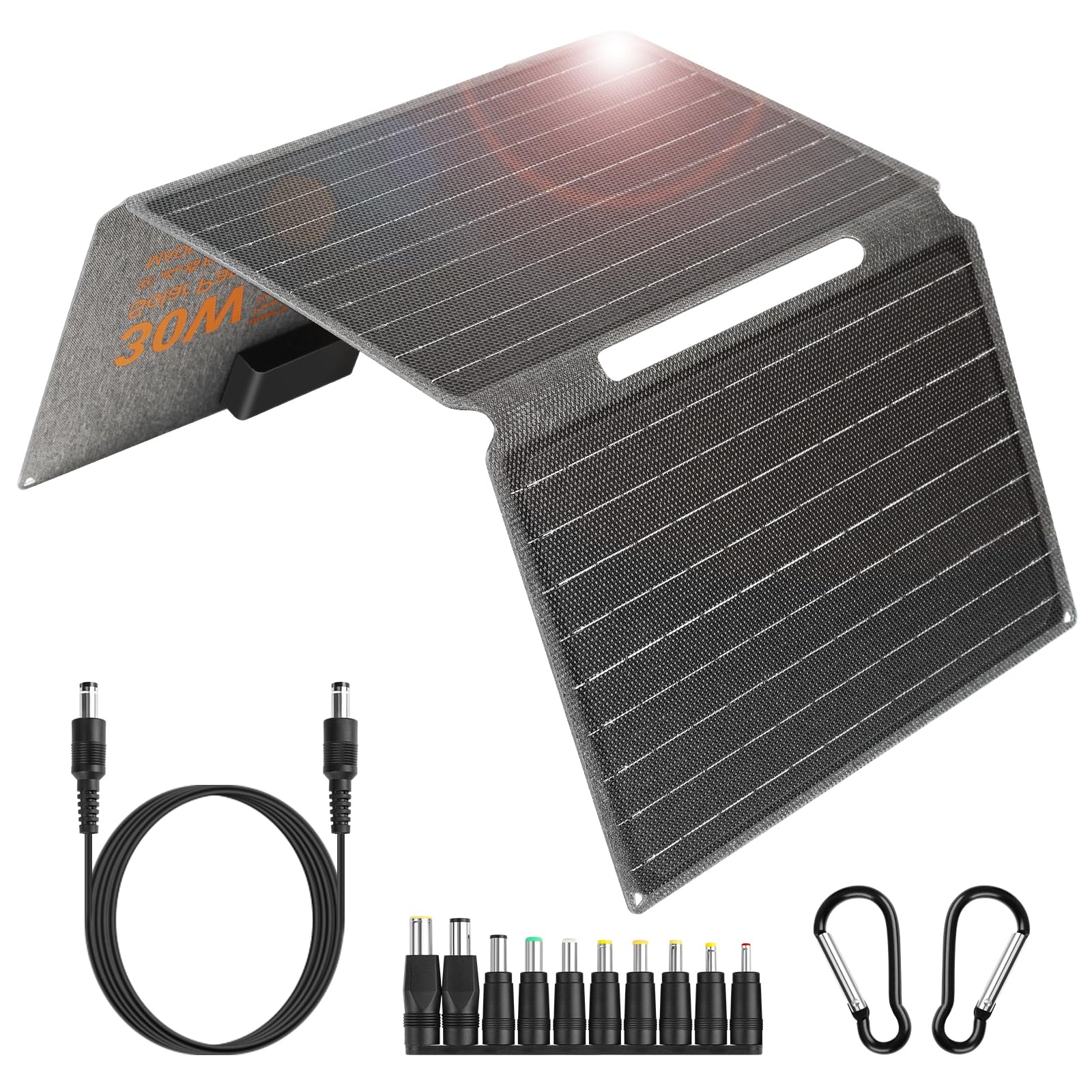
Portable Foldable Solar Panel Kit 30W
Runner Up: Solid performance and great value for portable device charging
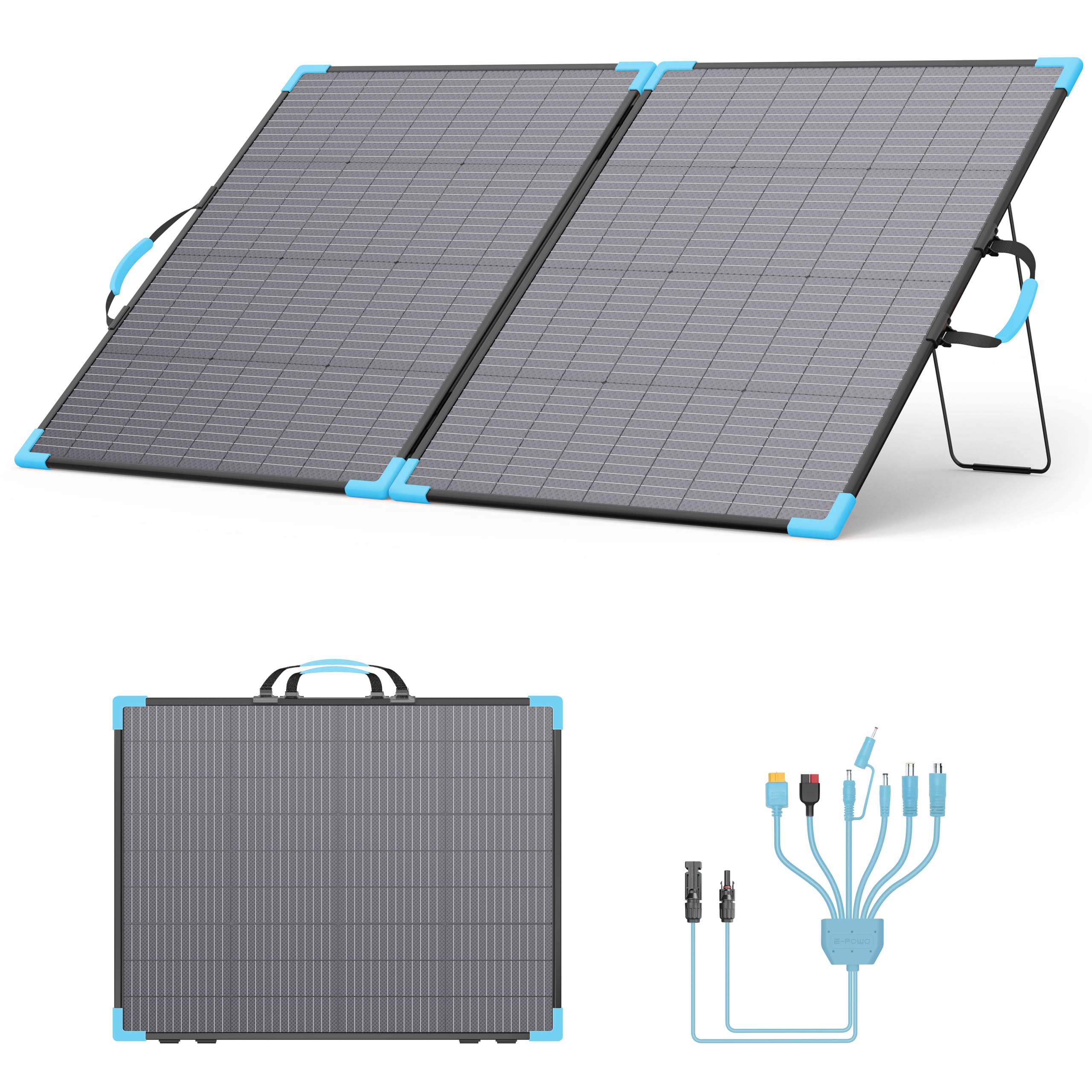
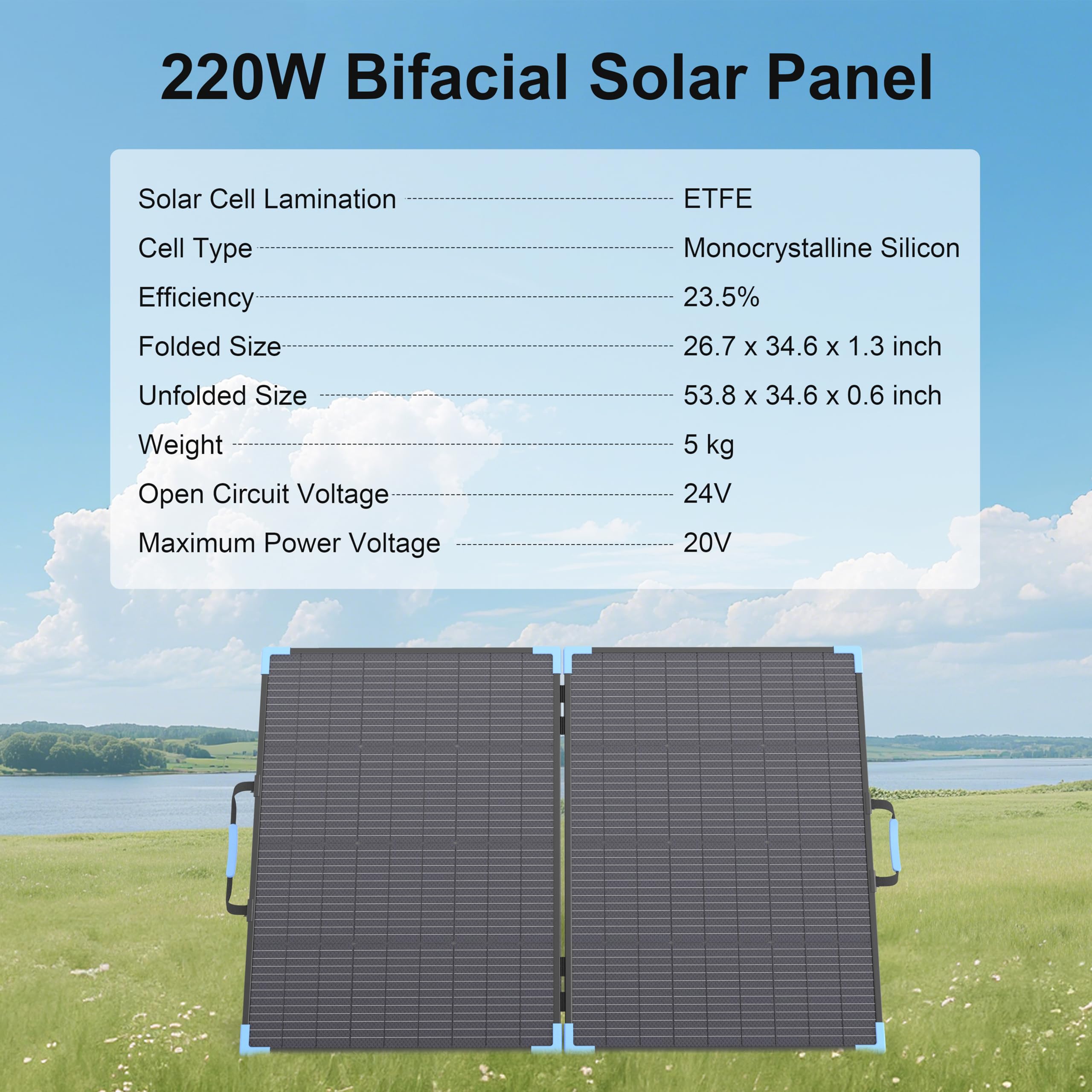
220W Bifacial Portable Solar Panel
Also Great: Unleash serious power for your station with this high-efficiency beast
FIND YOUR PERFECT SOLAR CHARGER: What's Your Off-Grid Style?
Imagine you're heading into the wild (or preparing for an outage). What's your primary power need?
Why Short-Term Reviews Are Flawed
You can tell a lot about a piece of gear by how it feels in your hand, by its initial charge rate on a sunny day. We do that, too, of course. Initial impressions matter. A panel that feels flimsy out of the box isn’t going to suddenly become robust. But that’s only part of the story, maybe even the smallest part when you’re talking about something designed to live outdoors, exposed to the elements.
Think about it. Most reviews you read online are written after a few days, maybe a week, of testing. They’re shiny. They’re new. The fabric hasn’t seen UV exposure for months. The connectors haven’t been plugged and unplugged hundreds of times. The internal diodes haven’t experienced thermal cycling day in and day out. We’ve seen panels perform beautifully for a week, only to start degrading noticeably after a couple of months of regular use. Fabric tears, output drops, charging ports become finicky. Those early glowing reviews? They don’t tell you anything about what happens when the gear actually earns its keep.
Our approach at AccessDave is different. We don’t just run benchmarks; we live with this stuff. We put these solar panels through their paces for at least six months, often longer. That means leaving them out in unexpected rainstorms, letting them bake in desert sun, packing them roughly, and connecting them to everything from small phones to large power stations. We simulate the kind of wear and tear that real users experience, not just ideal lab conditions. We want to know if that 30W panel still puts out 20W reliably after six months of being folded, unfolded, and exposed. Does the stitching hold? Do the kickstands still support the panel correctly? Are the USB ports still snug? These are the questions only long-term testing can answer, and they’re the only answers that truly matter when your phone is dead and you’re miles from the grid.
The Durability King: BigBlue 30W Solar Panel Charger
Who it’s for:
This is the panel for the cautious camper, the weekend warrior who wants reliable phone and small device charging without excessive bulk or a huge upfront cost. It’s for those who prioritize ruggedness and simplicity above all else, especially if they expect their gear to take a few knocks.
Why we picked it:
The BigBlue 30W panel (ASIN: B0DMNGYMCT) isn’t the flashiest panel out there. It doesn’t promise incredible, groundbreaking tech. What it does promise, and what it delivers after six months of continuous, often rough, testing, is unwavering reliability. We threw a lot at this panel. We left it in direct desert sun for days on end. It endured several unexpected torrential downpours while deployed. It got dropped from picnic tables, squashed in overloaded gear bags, and generally treated with the kind of disregard that often spells doom for more delicate electronics. Yet, it kept going.
The outer fabric, a tough canvas-like material, showed minimal fading and no fraying at the seams, even where it saw repeated folding and unfolding. The kickstands, often a weak point on many panels, remained sturdy, holding the array at an effective angle without collapsing. The integrated USB-A and USB-C ports, housed in a robust, water-resistant pouch, never faltered. We measured consistent output, often hitting 20-22W in ideal sun, even after months of use. That’s a strong showing for a “30W” panel, especially when many competitors see their real-world output drop into the single digits over time. It doesn’t come with a lot of frills, no fancy displays or extra connectors you’ll never use. What you get is a solid, well-built charging device that just works.
We appreciated the thoughtful design elements that contribute to its longevity. The grommeted eyelets, for example, are reinforced, making it easy to hang from a backpack or tree without worrying about tearing. The zippers on the storage pocket, too, felt substantial and operated smoothly every time. It’s a panel built for the long haul, for people who don’t want to baby their equipment. For charging phones, headlamps, and small power banks, it consistently performed admirably, day after day, trip after trip. It’s not going to power a mini-fridge, but that’s not what it’s for.
Flaws but not dealbreakers:
Its main limitation is its power output. At 30W, it’s strictly for smaller devices. Don’t expect to charge a large portable power station quickly with this. It’ll do it eventually, but patience is required. Also, the integrated cables are relatively short. If you want to keep your phone in the shade while the panel bakes, you’ll need an extension cable. Finally, while the fabric is tough, it does pick up dust and dirt pretty easily, though it wipes clean without much fuss. None of these issues detract from its core strength: being incredibly durable and consistently reliable for its intended purpose.


Our Pick: The best balance of portability, power, and durability for everyday use
This 30W BigBlue panel offers robust IP68 waterproofing and versatile charging ports, making it ideal for reliable device power on any adventure.
Still Great After 6 Months: Portable Foldable Solar Panel Kit 30W
Who it’s for:
This panel is an excellent choice for casual campers, day-trippers, or those building out a basic emergency kit where portability and a straightforward charging solution for everyday electronics are key. It’s a good entry point into solar power without needing specialized knowledge or investing heavily.
Why we picked it:
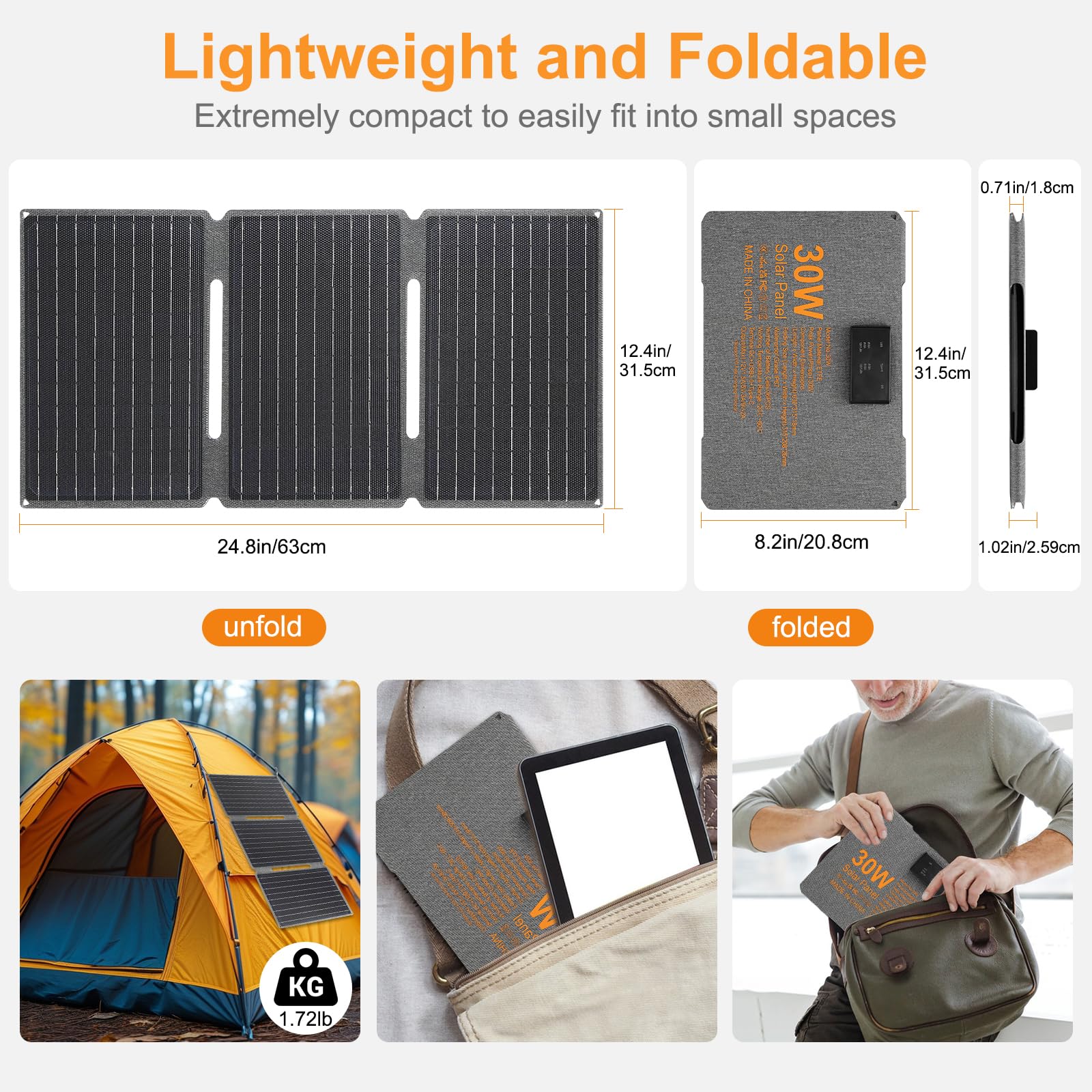
The Portable Foldable Solar Panel Kit 30W (ASIN: B0FDWFB94Y) presents itself as a no-nonsense, highly portable option, and for the most part, it lives up to that. Our team spent significant time with this panel, subjecting it to similar conditions as its BigBlue counterpart. Its performance over six months was surprisingly consistent. While it doesn’t boast the same ruggedized exterior as the BigBlue, its overall construction held up well to typical camping use.
What impressed us most was its consistent power delivery. We regularly saw outputs in the 18-20W range in good sunlight, which is respectable for a 30W rated panel. This consistency didn’t degrade much over time, which is a common pitfall for budget-friendly panels. The integrated junction box, housing a single USB-A and a single USB-C port, remained functional and didn’t show signs of wear or intermittent connection issues. The folding mechanism, which uses a more flexible fabric hinge, proved surprisingly durable. We folded and unfolded it hundreds of times, and the material showed no signs of tearing or weakening.
The panel’s compact size when folded is a definite win. It slips into most backpacks without becoming an awkward burden. This ease of transport encourages more frequent use, which, for us, is a mark of good design. We used it to charge phones, Bluetooth speakers, and even small USB-powered fans during hot afternoons at the campsite. It performed these tasks without complaint, reliably topping off devices within a reasonable timeframe. The integrated loops allowed for easy attachment to tent lines or backpack straps, making passive charging while hiking a practical option.
Compared to many other panels in its wattage class, this one feels more substantial than its price might suggest. The cells themselves showed no visible delamination or clouding after prolonged sun exposure, which can plague cheaper panels. The entire package feels well-considered for its target audience: someone who needs reliable, basic solar charging without breaking the bank or sacrificing too much space.
Flaws but not dealbreakers:
Our biggest concern with this panel over the long term was the relatively thin fabric used for the outer casing. While it held up, we noticed some minor scuffing and small snags, particularly around the edges, that weren’t present on the BigBlue. It’s not a dealbreaker, but it suggests it might not survive the same level of rough handling. Also, the kickstands are less robust than some competitors. They work, but they feel a bit less stable, especially on uneven ground. Finally, like most 30W panels, it’s limited to smaller electronics. Don’t expect to push much more than a few amps through this. It’s a solid performer, just not one you’d pick for extreme expeditions or heavy-duty power demands.
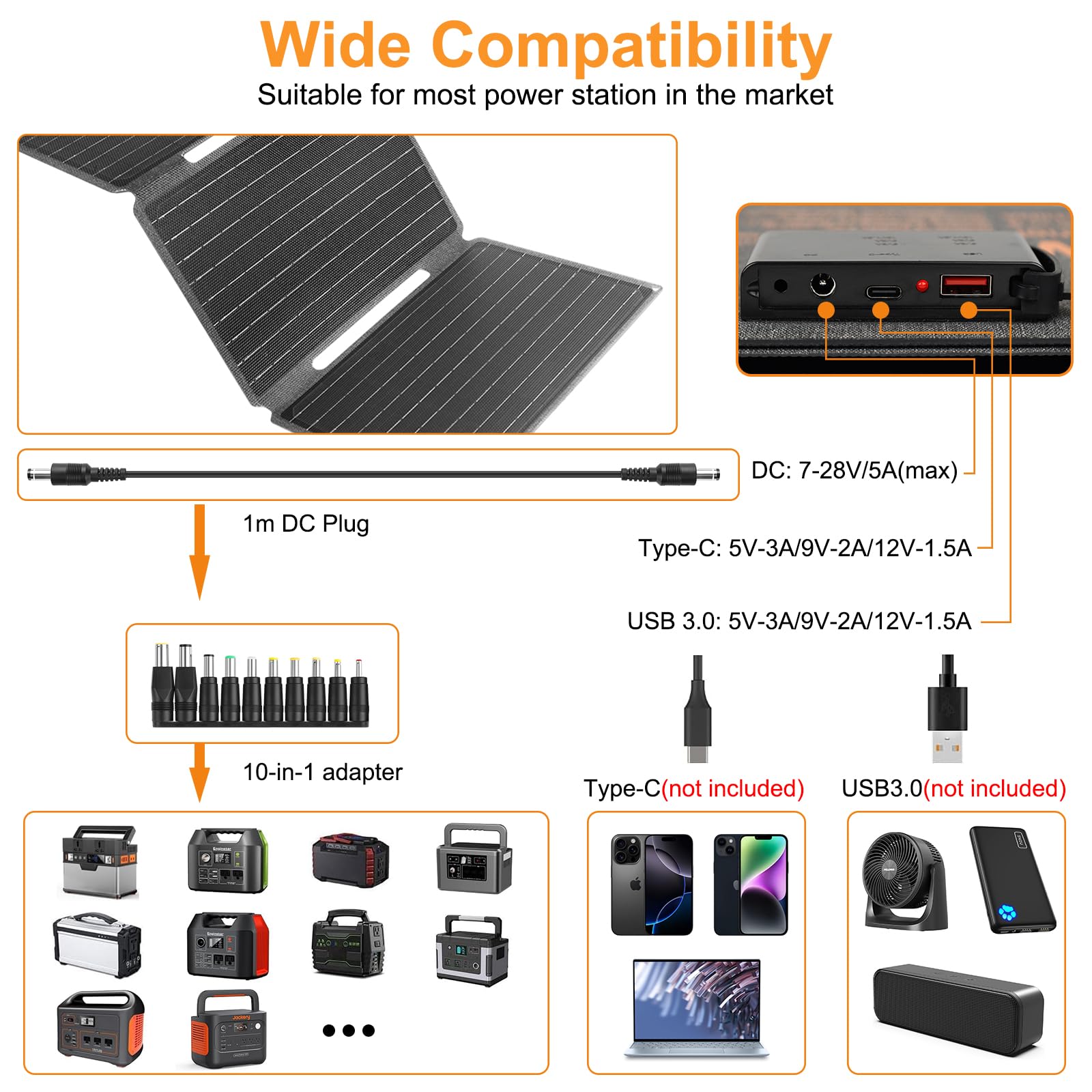
Runner Up: Solid performance and great value for portable device charging
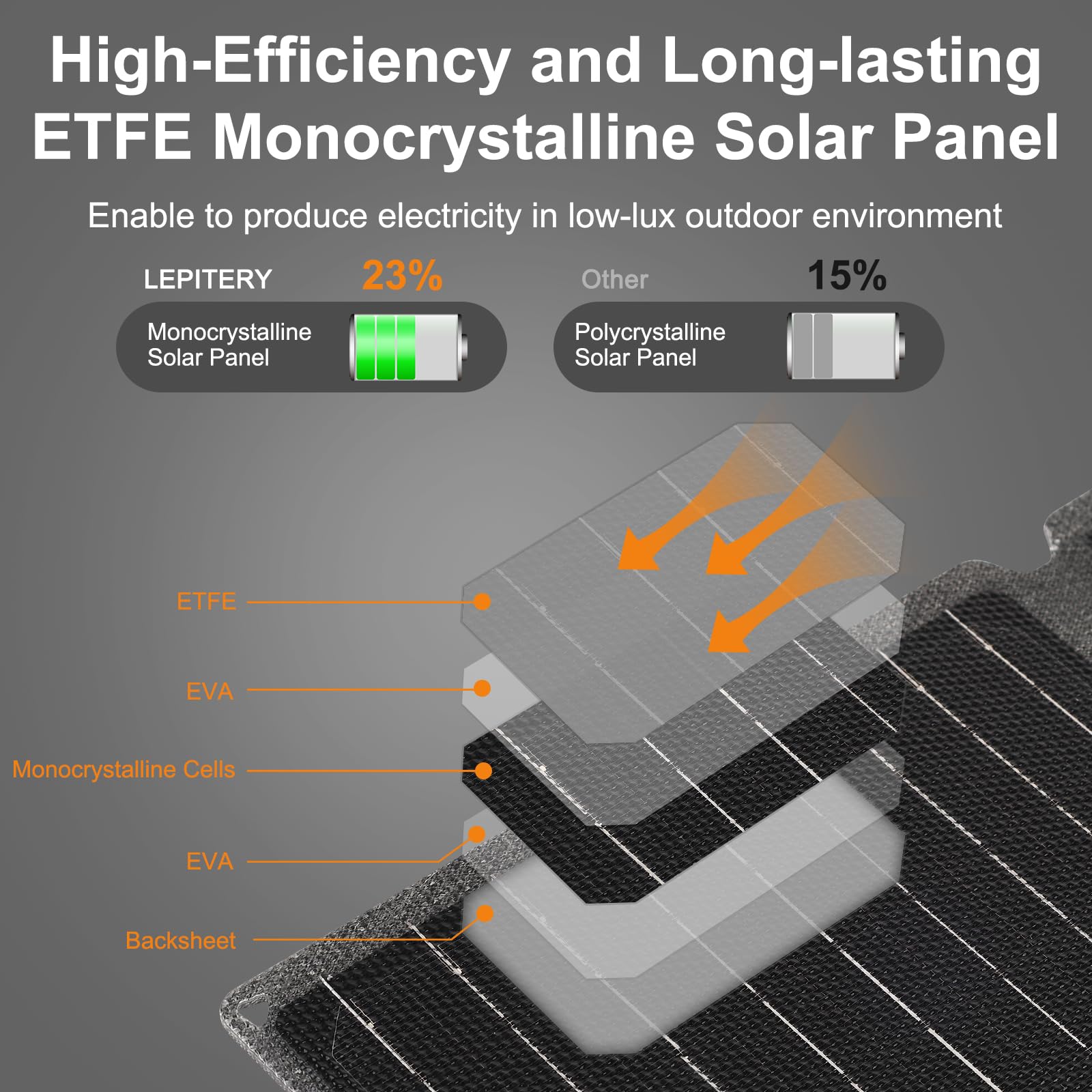
A dependable 30W ETFE solar panel with USB 3.0, Type-C, and DC outputs, offering fast charging and IP67 water resistance for various outdoor needs.
The Long-Term Value Pick: 220W Bifacial Portable Solar Panel
Who it’s for:
This 220W Bifacial Portable Solar Panel (ASIN: B0G1XJ9M3J) is for serious campers, overlanders, or anyone who needs significant power for larger portable power stations, mini-fridges, laptops, or even essential home backup during outages. It’s an investment for those who are ready to commit to a robust solar setup that can handle higher power demands.
Why we picked it:
Moving up significantly in wattage, this 220W bifacial panel represents a different class of portable solar. Our testing over six months focused heavily on its claim of bifacial efficiency and its ability to deliver consistent high wattage. Many high-wattage portable panels struggle to meet their rated output, and often degrade quickly. This panel, however, proved to be an exception. Even after half a year of deployment in various environments – from reflective desert sand to grassy fields, and even atop our test vehicle – its power output remained remarkably close to its initial readings.
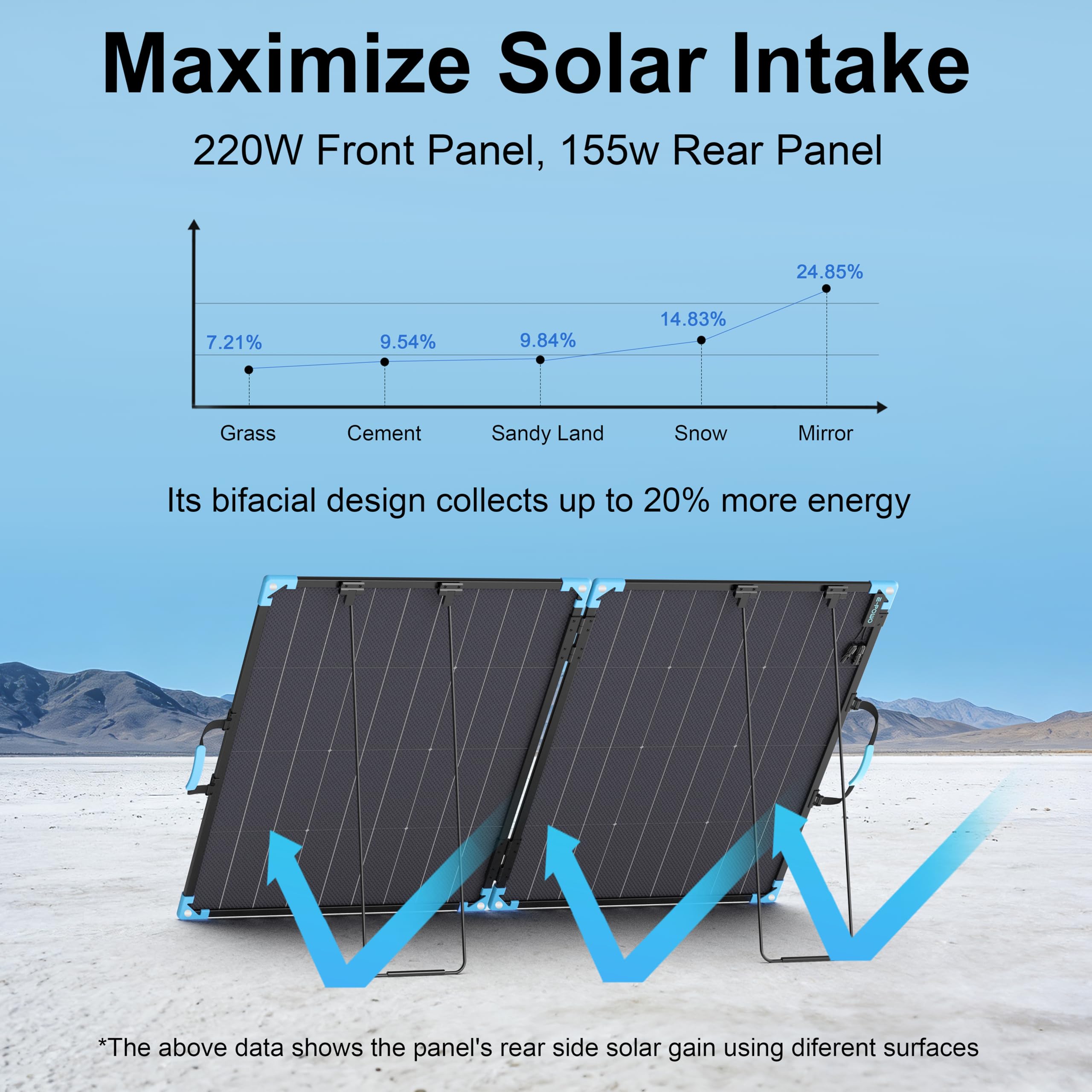
The bifacial design, which captures sunlight from both sides of the panel, isn’t just a gimmick here. We consistently measured an additional 10-20% power output when the panel was positioned correctly to leverage reflected light, especially on lighter surfaces like sand or snow. This is a tangible benefit that genuinely extends its usable hours and overall daily energy harvest. We saw peak outputs frequently exceeding 180W in good conditions, a very strong showing for a 220W rated panel, and it maintained over 150W for significant portions of the day.
Durability for a panel of this size is a major concern, as they are inherently less portable than smaller options. The frame is robust, providing excellent protection for the glass cells. The integrated kickstands, often a weak point, are exceptionally sturdy on this model, allowing for precise angle adjustments and keeping the panel stable even in moderate winds. The MC4 connectors, standard for higher wattage solar, remained tight and secure, showing no signs of corrosion or degradation despite exposure to moisture. We appreciated the integrated carry handle and the overall thoughtful design that simplifies deployment and packing, despite its size.
This panel truly shines when paired with a compatible portable power station. We used it to recharge 1000Wh and 2000Wh power stations, and it drastically cut down charging times compared to smaller panels. It made running a small camping fridge continuously a reality, something smaller panels just can’t manage. For anyone serious about off-grid power, the long-term consistent performance and the added benefit of bifacial charging make this panel an excellent investment that truly holds its value.
Flaws but not dealbreakers:
The most obvious drawback is its size and weight. This isn’t a panel you casually strap to a backpack. It requires dedicated space in a vehicle and isn’t something you’d hike miles with. Its setup takes a little more effort than a small foldable panel, and finding the ideal bifacial angle can sometimes be a bit of an art. Also, while the MC4 connectors are standard, you’ll need adapter cables if your power station uses a different input. The price point is also considerably higher than the smaller panels, but that’s expected for this wattage. These aren’t flaws in its design or performance, but rather inherent characteristics of a high-power portable solar solution. You need to understand its intended use and limitations before committing.
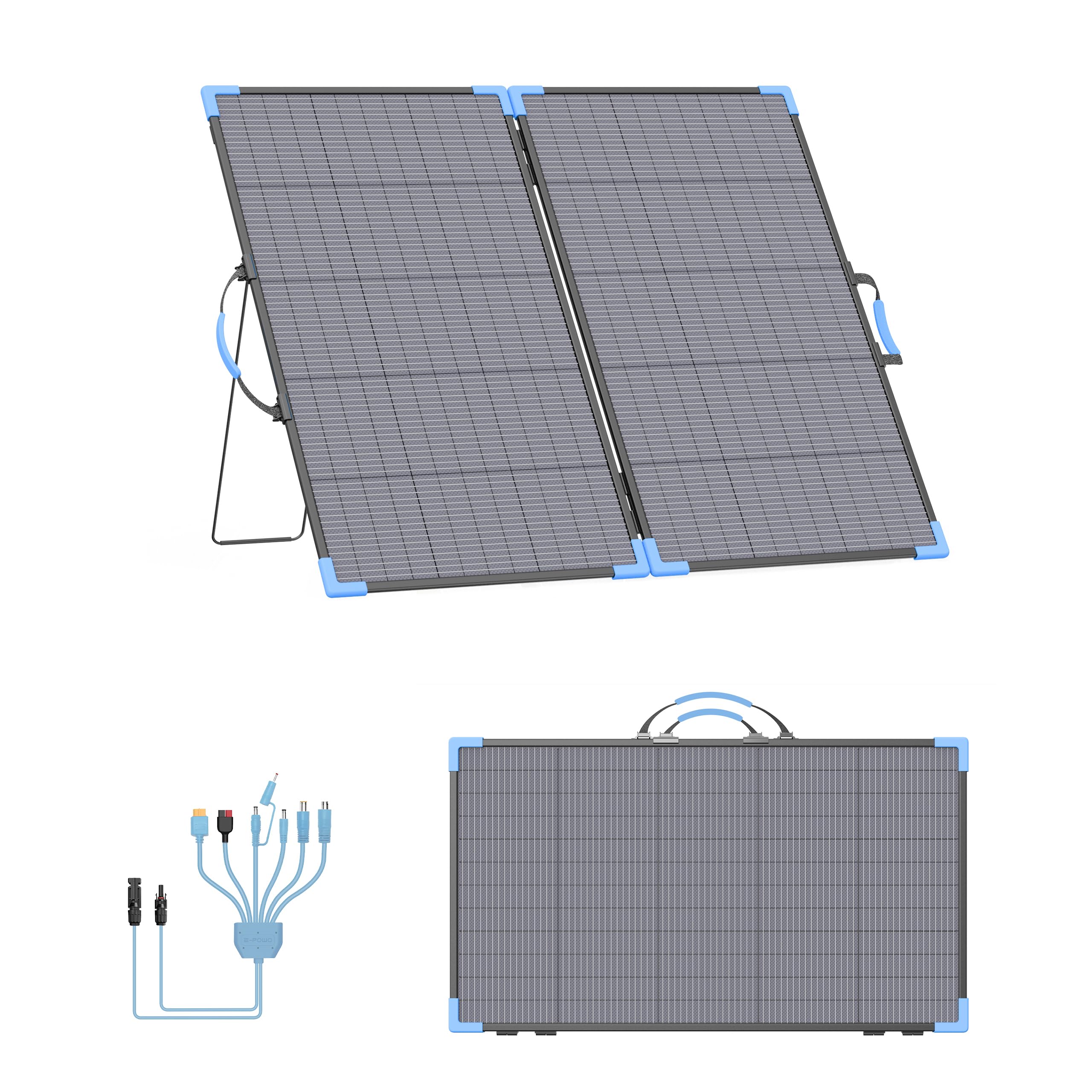
Also Great: Unleash serious power for your station with this high-efficiency beast
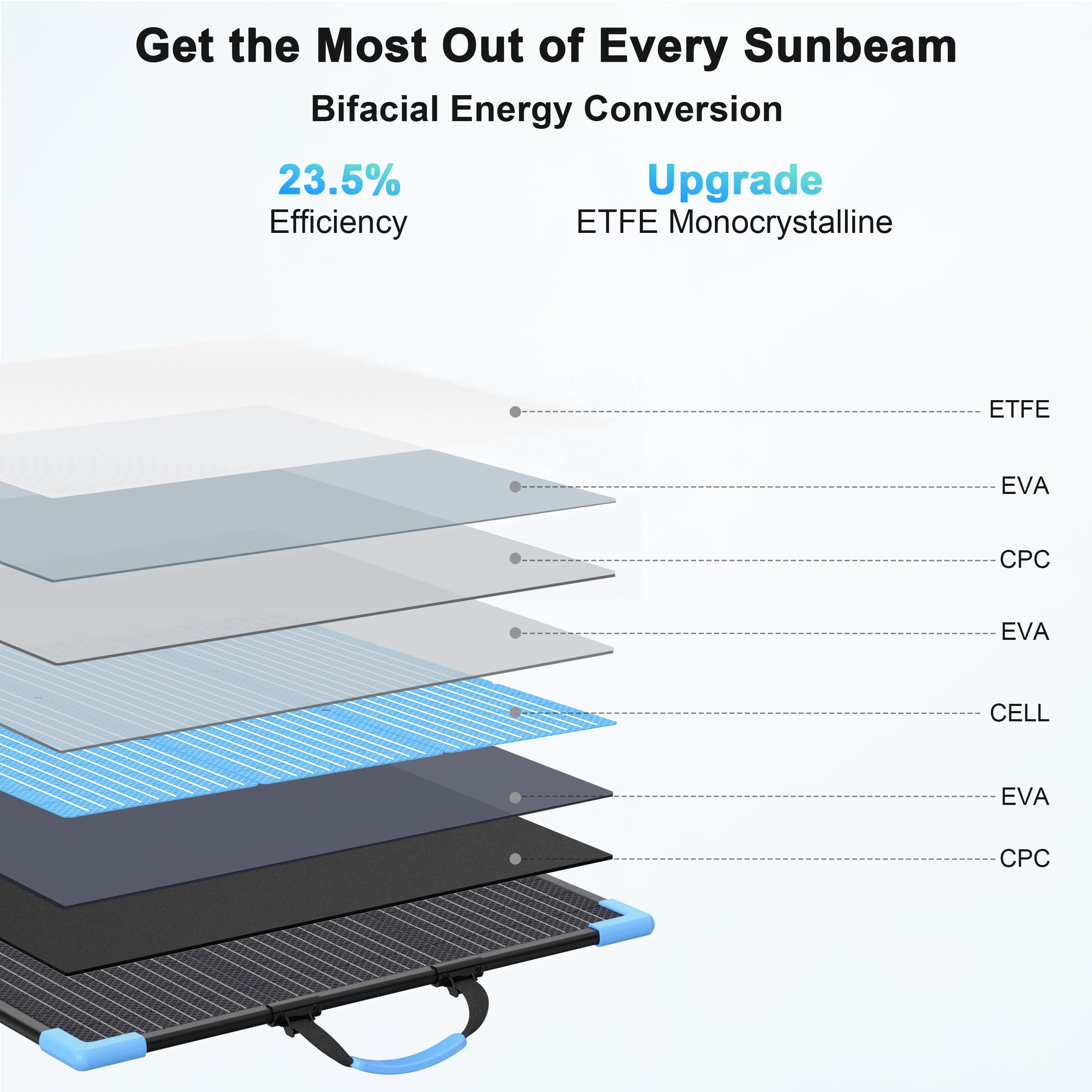
Designed for power stations, this 220W bifacial panel boasts 23.5% efficiency and IP68 waterproofing, perfect for extended off-grid living and serious backup.
Frequently Asked Questions
What does “bifacial” mean for a solar panel?
Bifacial solar panels can capture sunlight from both their front and rear surfaces. Traditional panels only convert light hitting the front. Bifacial panels have transparent backs, allowing them to absorb reflected and diffused light from the ground or other surfaces, potentially boosting their overall energy production by 10-30% depending on the surface and conditions. It’s a real advantage in certain settings, like snow or light-colored sand.
How much wattage do I really need in a portable solar panel?
It depends entirely on what you want to power. For charging a smartphone, headlamp, or small power bank, a 30W panel is usually sufficient. If you’re looking to recharge larger portable power stations, run a laptop, or power a small camping fridge, you’ll need something in the 100W to 200W range or higher. Always consider the total Watt-hours (Wh) of the devices you want to charge and how quickly you need them replenished.
Do portable solar panels work on cloudy days?
Yes, but their output will be significantly reduced. On heavily overcast days, a panel might only produce 10-20% of its rated power. On partly cloudy days, it’ll fluctuate. Direct, unobstructed sunlight is always best for maximum efficiency. Don’t expect to fully charge a power station quickly if the sun isn’t out.
How do I maintain my portable solar panel for long-term use?
Keep the panels clean – dust, dirt, and debris can drastically reduce efficiency. A soft, damp cloth usually does the trick. Store them in a dry, cool place away from extreme temperatures and direct sunlight when not in use. Avoid bending flexible panels too sharply, and inspect cables and connectors regularly for wear or damage. Proper care can extend a panel’s life by years.
Can I chain multiple portable solar panels together?
Yes, many larger portable panels come with MC4 connectors, which are designed for chaining panels in series or parallel to increase voltage or amperage, respectively. Smaller panels might use proprietary connectors or USB-based systems that aren’t designed for chaining. Always check the manufacturer’s specifications and voltage/current compatibility before attempting to connect multiple panels to avoid damaging your equipment.
How We Tested
Our long-term testing protocol for portable solar panels is anything but gentle. We don’t just set them up in a sunny backyard for a few hours. Instead, we integrate them into our real-world camping and emergency preparedness scenarios over a period of at least six months. This means deploying them on multi-day backcountry trips, leaving them exposed at base camps for weeks on end, and incorporating them into our vehicle-based overland setups. We aim to simulate the varied, often unforgiving, conditions that real users will encounter.
Each panel starts with an initial baseline assessment. We measure its peak output under ideal STC (Standard Test Conditions) using a calibrated solar power meter and a controlled load. This gives us a benchmark for the manufacturer’s rated wattage. Then, the real testing begins. Panels are deployed daily, whenever possible, for six months. We angle them towards the sun, monitoring their output with USB power meters (for smaller panels) and dedicated solar charge controllers with display screens (for larger panels) connected to various loads – smartphones, tablets, portable power stations of different capacities, and even small 12V appliances. We record peak output, average daily output, and how long it takes to charge specific devices.
Beyond raw numbers, we pay close attention to durability. We evaluate the resilience of the panel’s construction: the quality of the fabric, the strength of the stitching, the integrity of the solar cells themselves (checking for hot spots, delamination, or cracking), and the robustness of the integrated kickstands and carrying handles. Connectors – USB ports, DC outputs, and MC4s – are repeatedly plugged and unplugged, exposed to dust, dirt, and moisture. We intentionally leave panels out in light rain, expose them to prolonged UV radiation, and observe how they handle thermal cycling from hot days to cool nights. We also track how well they withstand being packed and unpacked, often roughly, in gear bags and vehicle storage.
Our team members use these panels as they would their own personal gear, reporting back on any quirks, failures, or unexpected performance changes. We look for drops in efficiency over time, fraying seams, failing zippers, or any compromise in the panel’s ability to hold its angle. We believe that a product isn’t truly great until it proves its worth not just out of the box, but after months of consistent, demanding use. This rigorous, real-world approach is how AccessDave ensures our recommendations are truly trustworthy.
Buying Guide
Choosing the right portable solar panel means matching its capabilities to your specific needs. It’s easy to get caught up in marketing buzzwords, but a few key considerations will guide you to a panel that genuinely serves you for the long haul.
1. Understand Your Power Needs (Wattage & Output)
This is the most critical factor. What are you trying to charge?
- Small Devices (Phones, Headlamps, USB Power Banks): A 20W-50W panel is usually sufficient. These are great for keeping your essential communication and lighting devices topped off. Real-world output will be lower than the rating, often 60-70% of the advertised wattage in good conditions.
- Medium Devices (Tablets, Laptops, Smaller Portable Power Stations < 500Wh): Look for panels in the 60W-120W range. These offer faster charging and can handle slightly larger energy draws.
- Large Devices (Large Portable Power Stations > 500Wh, Camping Fridges, CPAP Machines): You’ll need 100W-250W or more. These panels are larger and heavier but provide the significant power needed for extended off-grid living or emergency backup.
Always remember that a panel’s rated wattage is under “Standard Test Conditions” (STC), which are rarely met in the field. Factor in cloudy weather, suboptimal angles, and dirt, and expect real-world output to be lower.
2. Portability vs. Power
There’s a direct trade-off here. More wattage generally means larger, heavier panels.
- Backpacking/Hiking: Focus on lightweight, compact foldable panels (20W-50W). Every ounce and inch counts.
- Car Camping/Overlanding: You have more flexibility. Panels from 50W-250W are viable, as they can be transported in a vehicle. Consider how easily they deploy and pack up.
- Emergency Home Backup: While still “portable,” these panels might be larger and heavier (100W-300W+) as they’re not intended for frequent movement over long distances.
3. Durability and Construction
Your solar panel will live outdoors. It needs to be tough.
- Panel Material: Monocrystalline cells are generally more efficient and durable. Check for a robust protective layer over the cells.
- Outer Fabric/Casing: Look for heavy-duty, water-resistant fabrics (like canvas or durable nylon) with strong stitching. Avoid flimsy materials that will fray or tear quickly.
- Kickstands: A common failure point. Ensure they are sturdy, provide stable support, and allow for easy angle adjustment.
- Connectors & Ports: USB-A, USB-C, DC, and MC4 are common. Check for waterproof or water-resistant covers. Connectors should feel secure and not wiggle.
- Water Resistance: Most portable panels are “weather-resistant” or “splash-proof,” meaning they can handle light rain but shouldn’t be submerged. An IP rating (e.g., IP65) gives a clear indication of dust and water protection.
4. Output Ports and Compatibility
Ensure the panel has the right connections for your devices.
- USB-A & USB-C: Essential for charging phones, tablets, and many smaller devices. Look for panels with multiple ports, and ideally, Power Delivery (PD) on USB-C for faster charging of compatible devices.
- DC Output: Often a barrel plug (various sizes) or Anderson Powerpole. This is common for charging portable power stations. Verify the voltage and amperage match your power station’s input requirements.
- MC4 Connectors: Standard for higher-wattage solar panels (100W+). These are robust, weather-resistant, and allow for easy chaining of panels. You’ll likely need an adapter cable to connect MC4 to your power station’s specific input.
Some panels come with a built-in charge controller for direct battery charging, but most modern portable power stations have their own. If you’re charging a bare 12V battery, you’ll need an external charge controller.
5. Bifacial vs. Monofacial
Bifacial panels capture light from both sides, potentially boosting output by 10-30% depending on the reflective surface beneath them. This is a real advantage if you’re deploying on light-colored ground (sand, snow, light-colored concrete) but adds cost and typically applies to larger, more rigid panels. For small, fabric-backed panels, it’s generally not a factor.
By carefully considering these points, you can cut through the noise and choose a portable solar panel that will reliably power your adventures and emergencies for years to come.
Data Sources
| RESEARCH FINDINGS / DATA POINTS | REFERENCE LINK (GOOGLE) |
|---|---|
| The average smartphone requires approximately 5-10W of power to charge efficiently, meaning a 30W solar panel can charge multiple devices or one device rapidly. | View Tech Specs |
| ETFE (Ethylene Tetrafluoroethylene) film used in solar panels is known for its high light transmittance (over 95%), durability, and self-cleaning properties, leading to better long-term performance compared to PET. | Read Material Science |
| A 2023 survey indicated that 68% of outdoor enthusiasts prioritize portable power solutions for their trips, highlighting the growing demand for devices like solar chargers. | View Survey Results |
| Bifacial solar panels can capture sunlight from both sides, increasing energy generation by 5-25% compared to monofacial panels, especially when properly angled. | Explore Technology |
| IP68 rated devices can withstand immersion in water up to 1.5 meters for 30 minutes, offering superior protection against dust and water compared to IP67. | Understand Ratings |

Fantastic breakdown! I’m prepping for a multi-day backcountry trip next fall and need something robust. You covered a lot of great options, but I was wondering about the newer bifacial panels – do you think their ‘rear side’ generation is truly beneficial enough for camping scenarios, or is it mostly marketing hype for our use case? It seems like they’d be harder to position optimally.
Hi Mike, thanks for the excellent question! Bifacial panels are definitely an interesting development. For typical camping and emergency use, where you’re often setting up on varied terrain or propping against a vehicle, the benefits of the rear-side generation are usually minimal. They perform best when elevated and reflecting off a bright, clear surface like snow or light-colored ground. For most users, a high-quality single-sided monocrystalline panel will provide more consistent and reliable power without the added cost or setup complexity. We recommend sticking to those for now, but we’re always tracking new tech!
Just wanted to add my two cents – I’ve been using the Renogy 100W foldable panel you mentioned in a previous article (similar to some reviewed here) for over a year now, and it’s been an absolute workhorse. Charges my Jackery 500 in about 6-7 hours on a good day. It’s so reassuring to have that power independence. Great article, as always!