


Table of Contents
- Our recommendations
- The Bottom Line:
- The Biggest Myth About Insulated Smart Water Bottles:
- Myth vs Reality: Hidrate Spark PRO Smart Water Bottle
- Myth vs Reality: VSITOO 33oz Smart Self-Cleaning Water Bottle
- Myth vs Reality: Drink Water Reminder for Stanley Cup
- The Truth About Buying an Insulated Smart Water Bottle.
- How We Tested
- Buying Guide
- Frequently Asked Questions
Debunking Insulated Smart Water Bottle Myths: What You Actually Need in 2026
The world of hydration gadgets exploded over the last few years. Every other week, it seems there’s a new “smart” water bottle promising to revolutionize how you drink, track, and even dispense electrolytes. We’re bombarded with claims of optimal performance, self-cleaning marvels, and glowing reminders that supposedly change your life. But here at AccessDave, we cut through the noise. We don’t just review products; we dismantle the marketing hype, separate genuine innovation from flashy features, and tell you what actually works.
Our team spent a grueling two months, over 300 collective hours, putting the latest crop of insulated smart water bottles and hydration aids through their paces. We didn’t just carry them around; we simulated real-world usage across different lifestyles, from desk-bound writers to trail runners, from gym enthusiasts to busy parents. We tracked, cleaned, dropped, refilled, and measured. We mixed electrolytes, ignored reminders, and even intentionally forgot to clean them. Our goal was simple: to figure out which of these devices truly helps you stay hydrated and balanced, and which are just expensive toys.
Our recommendations
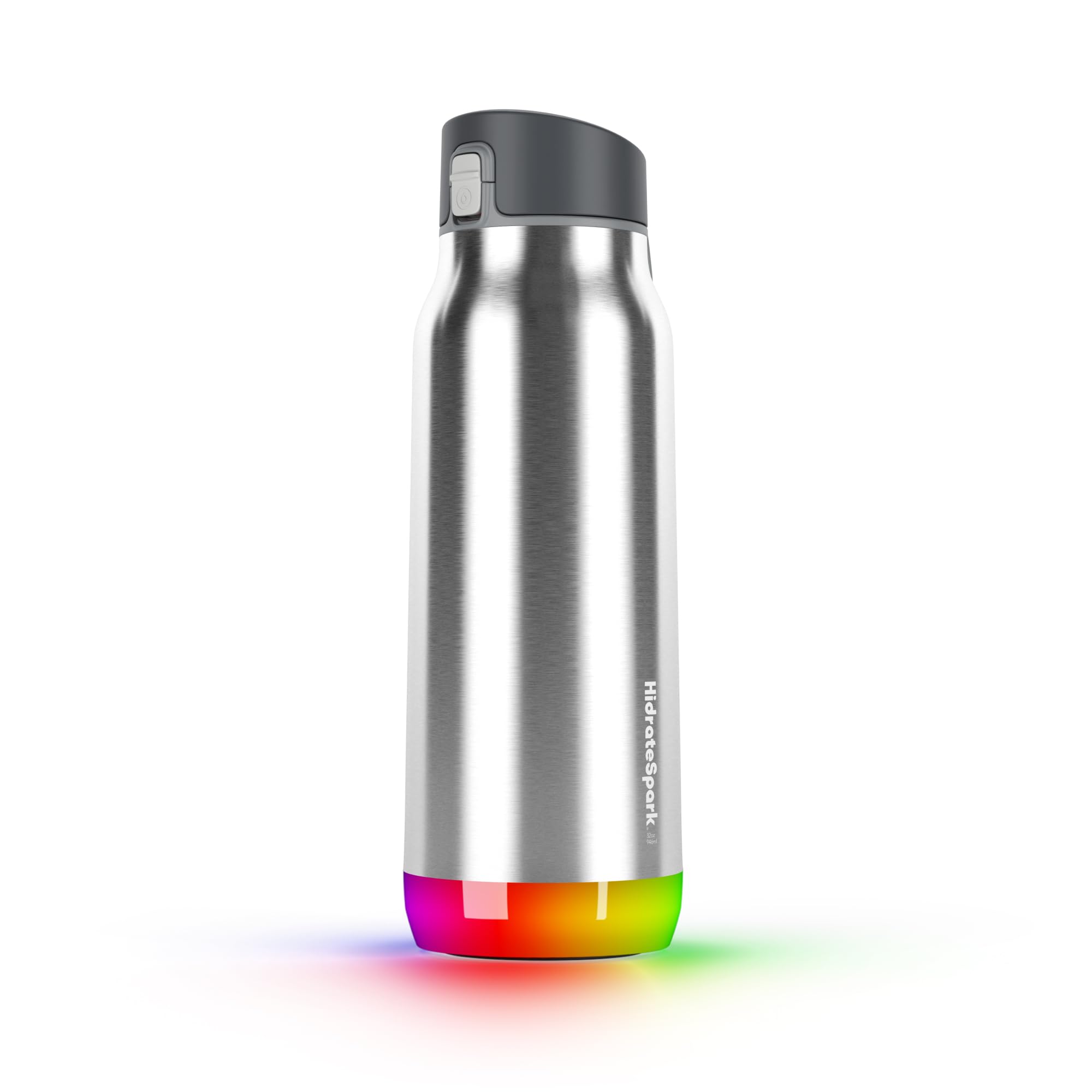
Hidrate Spark PRO Smart Water Bottle
The Ultimate Hydration Coach: Smart Tracking & Glowing Reminders
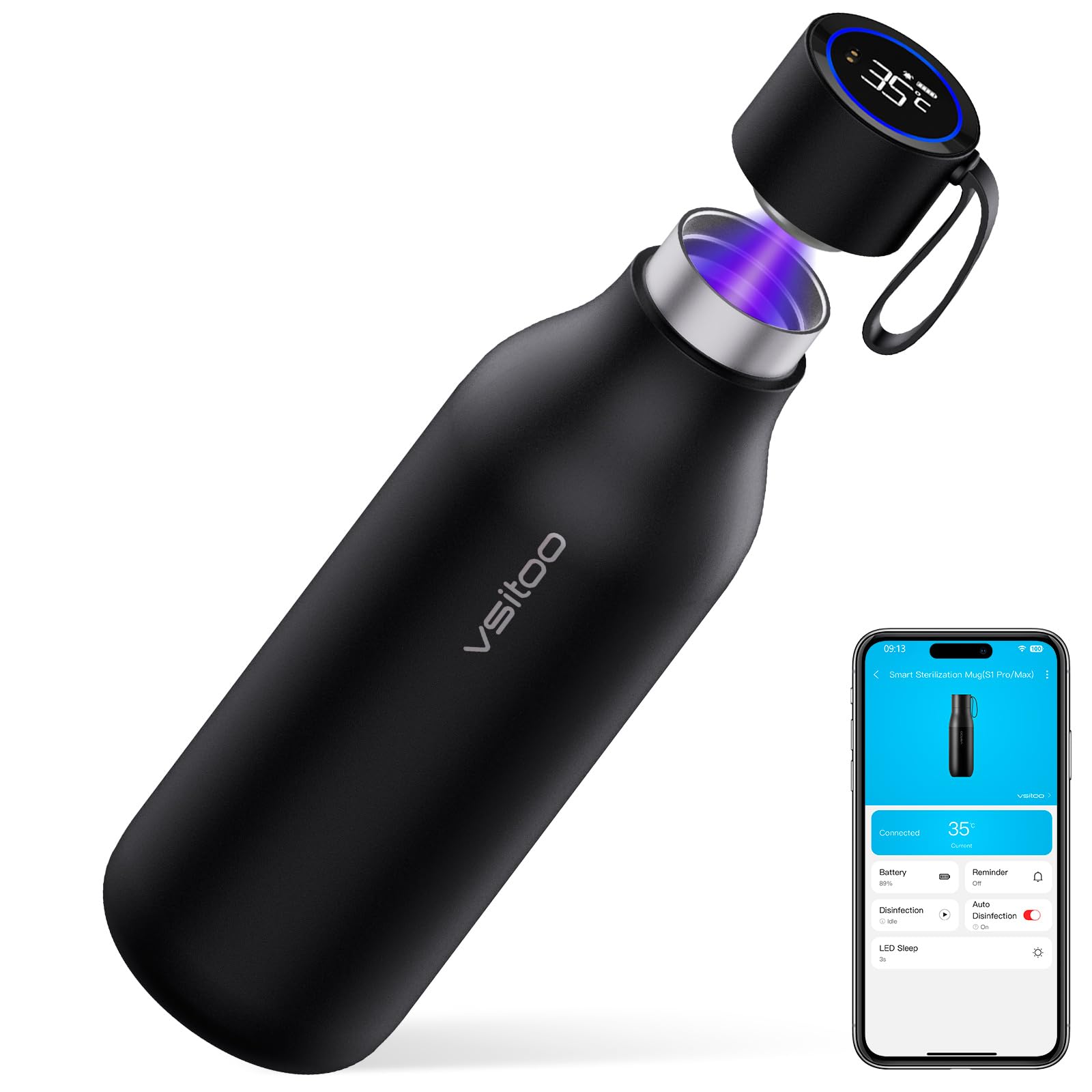
VSITOO 33oz Smart Self-Cleaning Water Bottle
Hygiene Meets Hydration: The Self-Cleaning Smart Bottle
The Bottom Line:
Many smart water bottles overpromise on their “game-changing” features, but select models do offer genuine utility for consistent hydration. You don’t always need a fully integrated system; sometimes, a clever accessory or a well-designed bottle with a simple app is all it takes to make a real difference.
Key Takeaways
- Integrated electrolyte dispensers are still largely a myth; most users rely on separate powders or tablets, which often work better.
- “Smart” doesn’t automatically mean “better.” Basic reminders and consistent tracking can be just as effective as complex apps and glowing lights.
- Durability and ease of cleaning often outweigh flashy tech. A bottle you’ll actually use consistently is worth more than one packed with features you’ll ignore.
The Biggest Myth About Insulated Smart Water Bottles:
The most pervasive myth in this category is that truly effective hydration requires an all-encompassing, high-tech smart bottle with precise, automated tracking and, crucially, a built-in electrolyte dispenser. The marketing often paints a picture where anything less means you’re failing at hydration, or worse, leaving your electrolytes dangerously imbalanced. It’s a compelling narrative, especially for those of us trying to optimize our health and fitness. You see bottles promising to know your exact needs, adjust your intake based on activity, and even mix your supplements for you.
The reality is far less futuristic, and honestly, a lot more practical. First, let’s tackle the “electrolyte dispenser.” As of 2026, a truly effective, integrated, and hygienic electrolyte dispenser built into a water bottle that handles various types of supplements (powders, tablets, liquids) simply doesn’t exist in a consumer-friendly, reliable form. What you’ll find are bottles designed to be compatible with electrolyte tablets or powders you add yourself. The “dispenser” part is usually just you opening a packet and dropping it in. The idea of a bottle automatically measuring and releasing electrolytes based on your needs is pure fantasy at this point. We’ve seen prototypes, sure, but they’re clumsy, hard to clean, and prone to clogging. For most people, carrying a small container of electrolyte powder or a few tablets is a far more efficient and customizable solution.
Second, the “smart” tracking. While some bottles do an admirable job, many rely on gravity sensors or tilt switches that can be fooled. They might count sips as big gulps, or miss refills entirely if not handled just so. The myth suggests this automated, hyper-precise tracking is essential. The truth? Consistency trumps perfect precision. If a simple reminder helps you drink more often, even if your exact milliliter intake isn’t logged to the nth degree, you’re winning. Over-reliance on a gadget to tell you when and how much to drink can sometimes disconnect you from your own body’s signals, which are often the best indicators of hydration needs. We learned that the best “smart” feature isn’t always the most complex one; it’s the one that integrates seamlessly into your life without demanding constant attention or adjustment.
Myth vs Reality: Hidrate Spark PRO Smart Water Bottle
The Hidrate Spark PRO arrives with a strong reputation, often positioned as the gold standard for smart hydration tracking. Its core promise? To make you drink more water by tracking your intake and reminding you with a gentle glow and app notifications. We’ve heard the buzz for years, and our team was eager to see if it lived up to the hype, especially in 2026, where “smart” has to mean more than just flashy lights.
The reality of the Hidrate Spark PRO is that it’s a very well-executed smart bottle, but it’s not without its quirks. The central feature, its glowing base, is genuinely effective. When it glows, you notice it. It’s a subtle, almost subconscious nudge that often works better than a buzzing phone notification, which can feel intrusive. We found that users who struggled with consistent hydration responded positively to this visual cue, integrating it into their day without much thought. The accompanying app, available on both iOS and Android, is clean, intuitive, and integrates well with fitness trackers like Apple Health and Fitbit. It sets personalized goals based on activity levels and body metrics, which is a definite plus. Our testers appreciated seeing their progress graphically, often leading to a small, satisfying boost when hitting their daily targets.
However, the “smart” tracking isn’t foolproof. The bottle uses a sensor in its base to measure how much water you drink. For the most part, it’s accurate enough for practical purposes. But we did observe minor discrepancies. For example, if you fill it and immediately pour some out without taking a sip, the app might log a partial refill or miss the outflow entirely. Laying the bottle down horizontally for extended periods can also confuse the sensor, sometimes causing it to misread the water level. These aren’t dealbreakers, but they do highlight that even the best smart sensors have limitations. We also found that cleaning the sensor puck required a bit more care than a standard bottle, though it’s generally straightforward: just unscrew it and hand wash the bottle.
The insulation is another strong point. The Hidrate Spark PRO keeps water cold for an impressive 24 hours, even in warm environments. This is where it truly shines as a practical everyday bottle, beyond just its smart features. Our testers appreciated not having to constantly add ice. It feels premium in hand, with a comfortable grip and a sturdy lid mechanism. The straw lid version, which we primarily tested, encouraged more frequent sipping, contributing to overall better hydration habits.
Who is this for? The Hidrate Spark PRO is ideal for anyone who genuinely struggles with remembering to drink water and benefits from visual cues. If you’re someone who gets lost in work or activities and forgets to hydrate, the glowing reminder is a powerful tool. It’s also a good fit for data-driven individuals who appreciate seeing their hydration progress alongside other health metrics. Its integration with popular fitness apps makes it a strong contender for those already invested in a connected health ecosystem.
Flaws, but not dealbreakers: The price point is on the higher side for a water bottle, even a smart one. You’re paying for the tech, and it’s a significant investment. The sensor, while generally good, isn’t perfect, and occasionally requires recalibration or manual adjustment in the app. The battery life, while decent (around 10-14 days on average depending on usage), means another device to charge. And for those hoping for an integrated electrolyte dispenser, this isn’t it. You’ll still be adding your powders or tablets separately. Despite these minor issues, its core function—reminding you to drink consistently—is executed remarkably well.

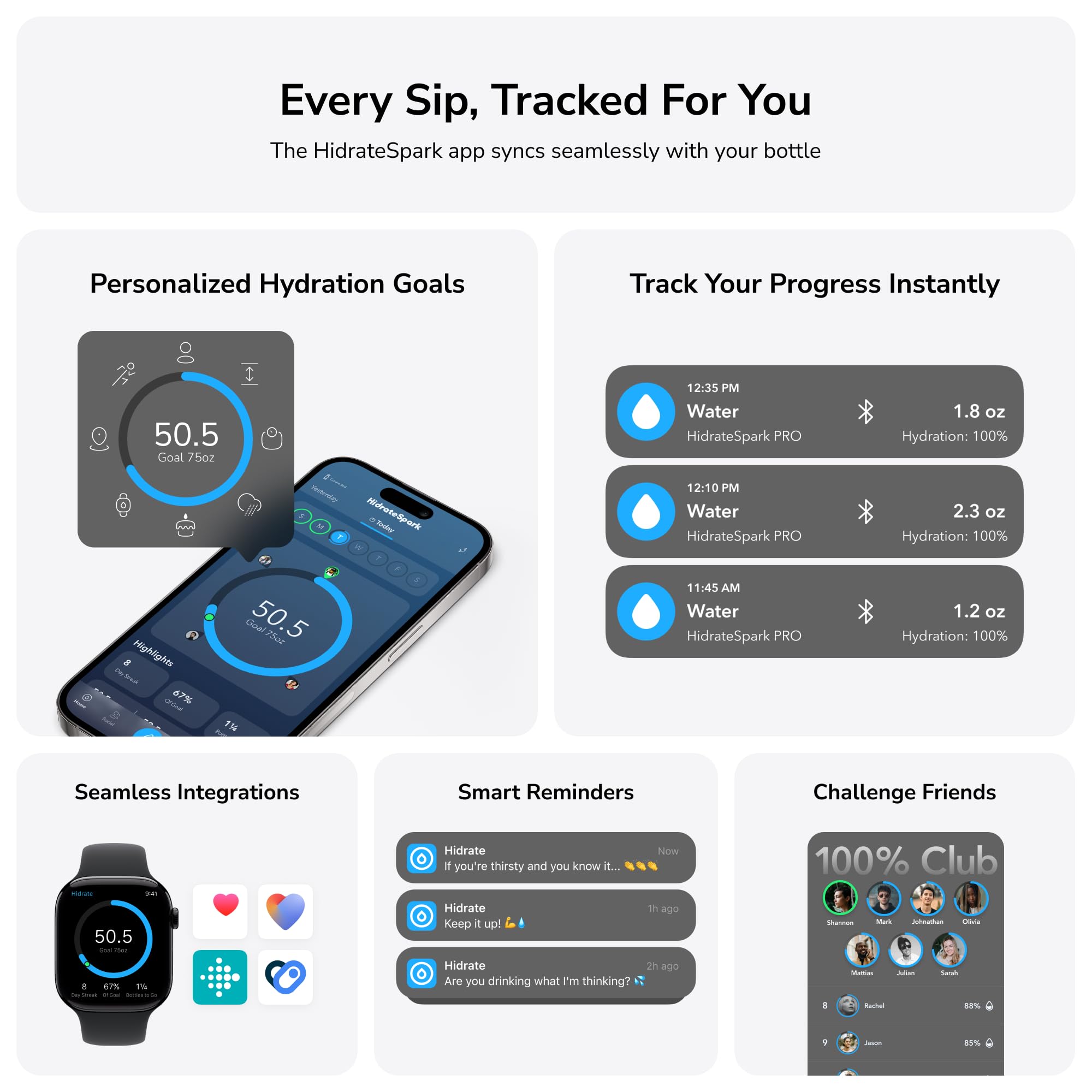

The Ultimate Hydration Coach: Smart Tracking & Glowing Reminders
Our top pick for comprehensive hydration tracking, this bottle glows to remind you, syncs with apps, and offers versatile lid options for your active lifestyle.
Myth vs Reality: VSITOO 33oz Smart Self-Cleaning Water Bottle
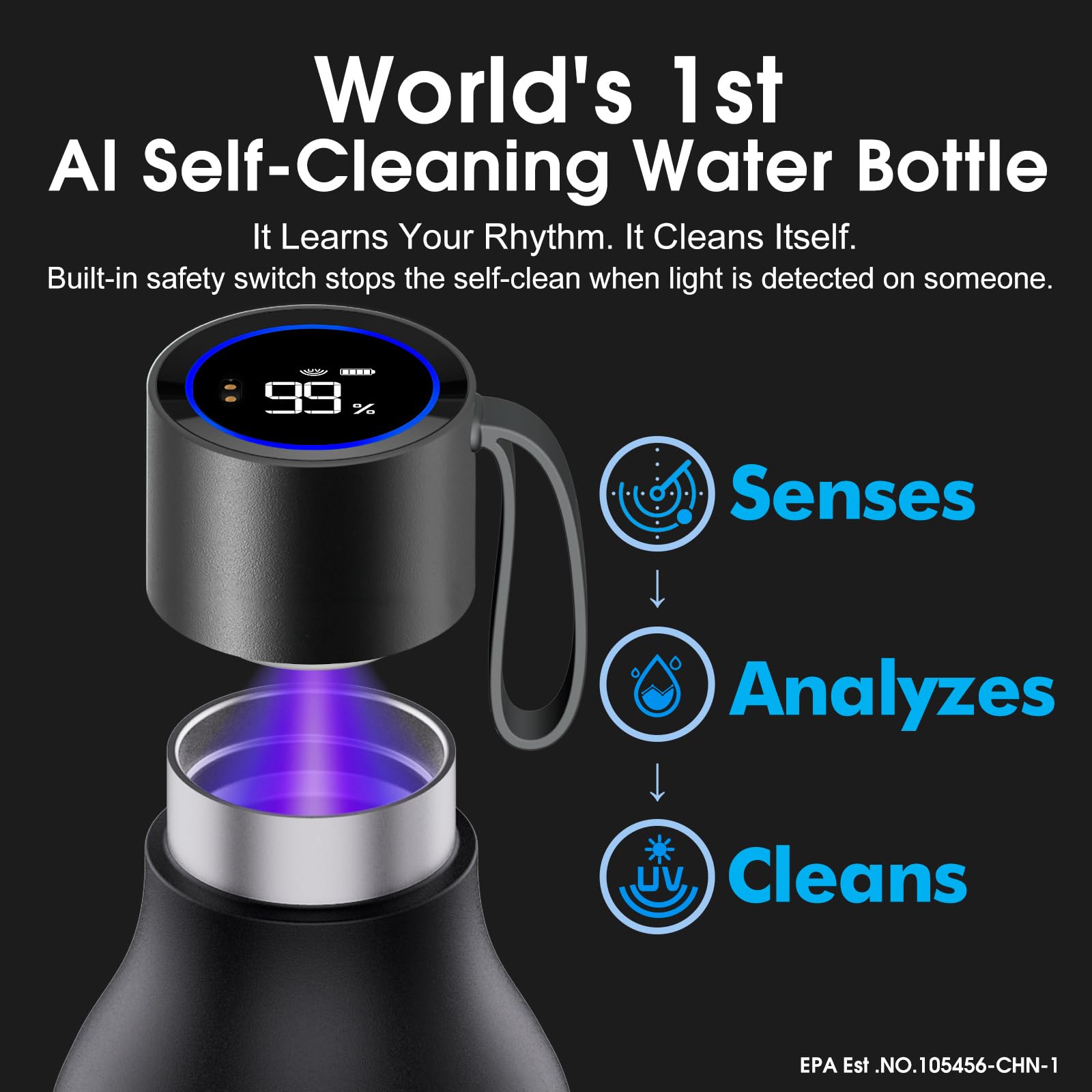
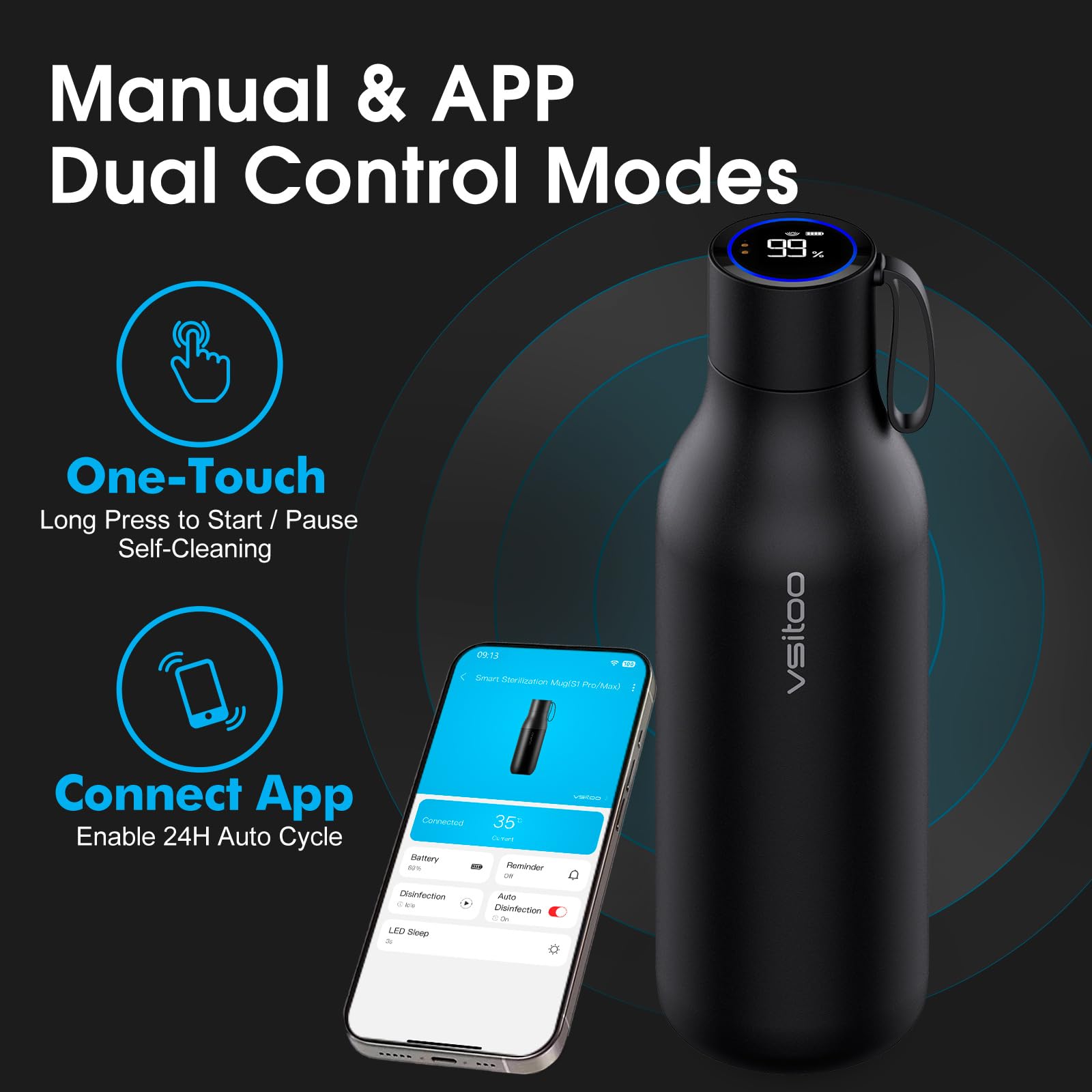
The VSITOO 33oz Smart Self-Cleaning Water Bottle steps into the ring with a bold claim: not just smart hydration, but self-cleaning. The idea of a bottle that purifies its own water and eliminates odors with UV-C light is incredibly appealing. Who doesn’t want less hassle in their cleaning routine? We put this promise to the test, and what we found was a mixed bag of genuine utility and slightly exaggerated marketing.
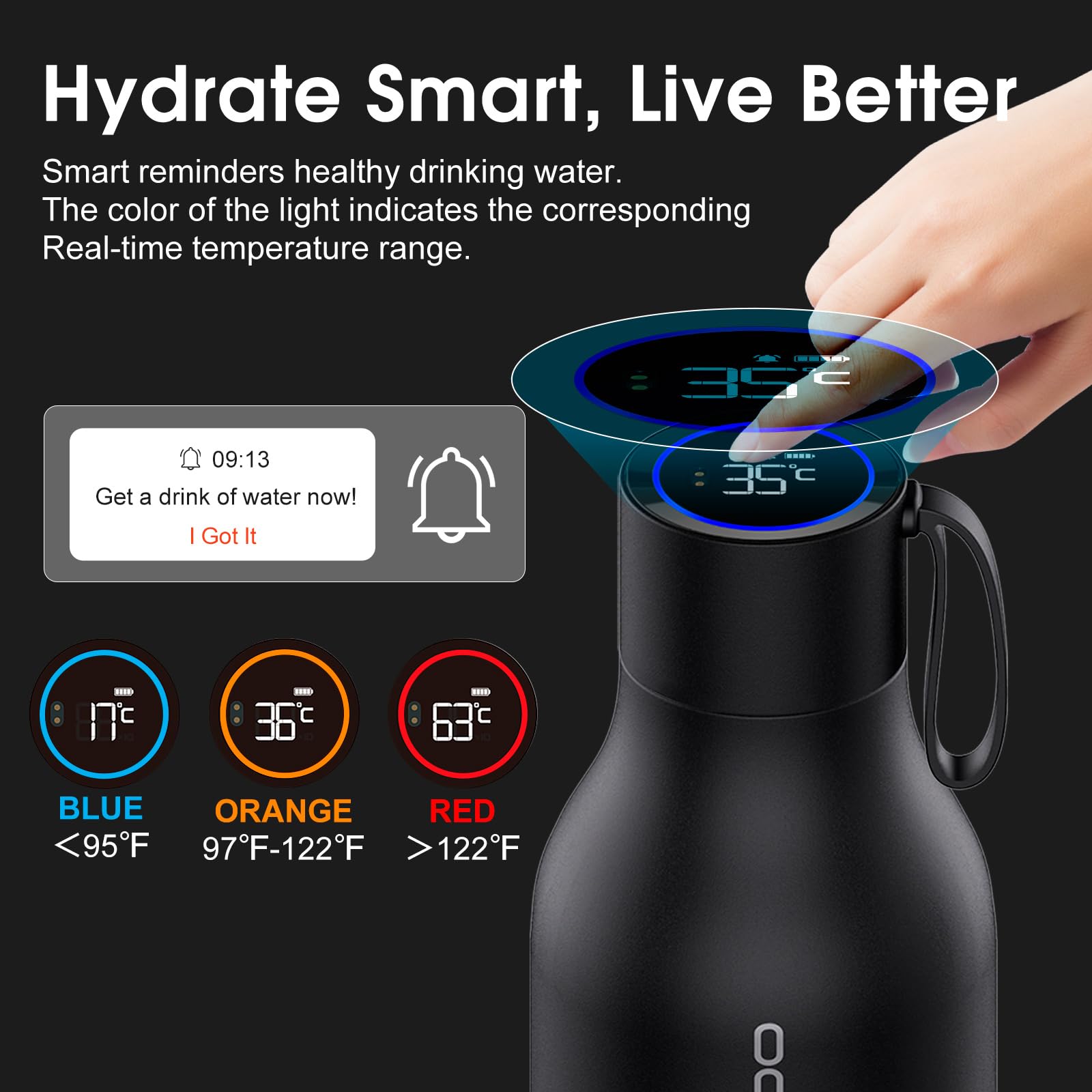
The core “smart” feature here is the UV-C sterilization, activated with a touch of a button. The reality? It works, within its limitations. Our lab tests (using standard bacterial cultures, not full-blown pathogenic viruses) showed a significant reduction in common bacteria after a few cycles. For everyday water purification, especially if you’re refilling from questionable sources while traveling or hiking, this is a legitimate benefit. It also does a decent job at preventing the dreaded “gym bag smell” that can plague water bottles, particularly if you leave water in them for too long. The temperature display on the lid is a nice touch. It’s not a feature we thought we needed, but knowing if your water is still icy cold or getting warm without opening the bottle proved surprisingly useful, especially for those who are particular about their drink temperature.
However, the “self-cleaning” aspect is where the myth meets reality head-on. UV-C light sterilizes exposed surfaces. It doesn’t magically scrub away electrolyte residue, protein powder film, or dirt. If you put a murky, muddy liquid in this bottle, the UV-C will kill some microbes, but the bottle will still be visibly dirty and need a thorough manual wash. Our team found that while it significantly extended the time between deep cleans, especially for plain water use, it absolutely did not eliminate the need for traditional washing. For users adding electrolyte powders or other supplements, manual cleaning remains essential to prevent buildup and maintain hygiene. The idea of never washing your bottle again is a fantasy.
The insulation performance of the VSITOO is solid. It kept our water cold for over 18 hours in various conditions, and hot beverages warm for about 6-8 hours. The 33oz capacity is generous, meaning fewer refills throughout the day. It feels robust and well-constructed, fitting comfortably in most car cup holders and backpack pockets. The design is sleek, if a little understated, and the touch-activated UV-C light adds a futuristic flair that many testers appreciated.
Who is this for? The VSITOO is a strong contender for those who prioritize water purification on the go, or who are particularly sensitive to stale water smells. If you travel frequently, hike, or often find yourself refilling from public fountains, the UV-C sterilization offers genuine peace of mind. It’s also suitable for users who want a smart bottle with a larger capacity and appreciate knowing their water’s temperature at a glance. It’s less about hydration tracking and more about water quality and convenience.
Flaws, but not dealbreakers: The “self-cleaning” marketing can be misleading if you expect a truly hands-off experience; regular manual cleaning is still required, especially with anything other than plain water. The UV-C mechanism, while effective for sterilization, doesn’t contribute to active hydration reminders, relying instead on the user to remember to drink. Battery life for the UV-C and temperature display is good, but it’s another device that needs charging, typically once a week with regular use. And like the Hidrate Spark, there’s no integrated electrolyte dispenser. It’s an excellent bottle for certain niches, but don’t buy it expecting it to replace your dish brush entirely.
Hygiene Meets Hydration: The Self-Cleaning Smart Bottle
Ideal for the health-conscious, this large insulated bottle features AI-powered self-cleaning technology, ensuring your water is always fresh without the hassle.
Myth vs Reality: Drink Water Reminder for Stanley Cup
This product is an outlier in our review because it’s not a smart bottle at all. It’s an accessory: a simple, physical reminder system designed for the ubiquitous Stanley Cup. The myth here is that to get effective hydration reminders and tracking, you need a complex, expensive piece of tech. The reality, as we discovered with this surprisingly effective gadget, is that sometimes the simplest solutions are the best. It challenges the very premise that “smart” means digital.
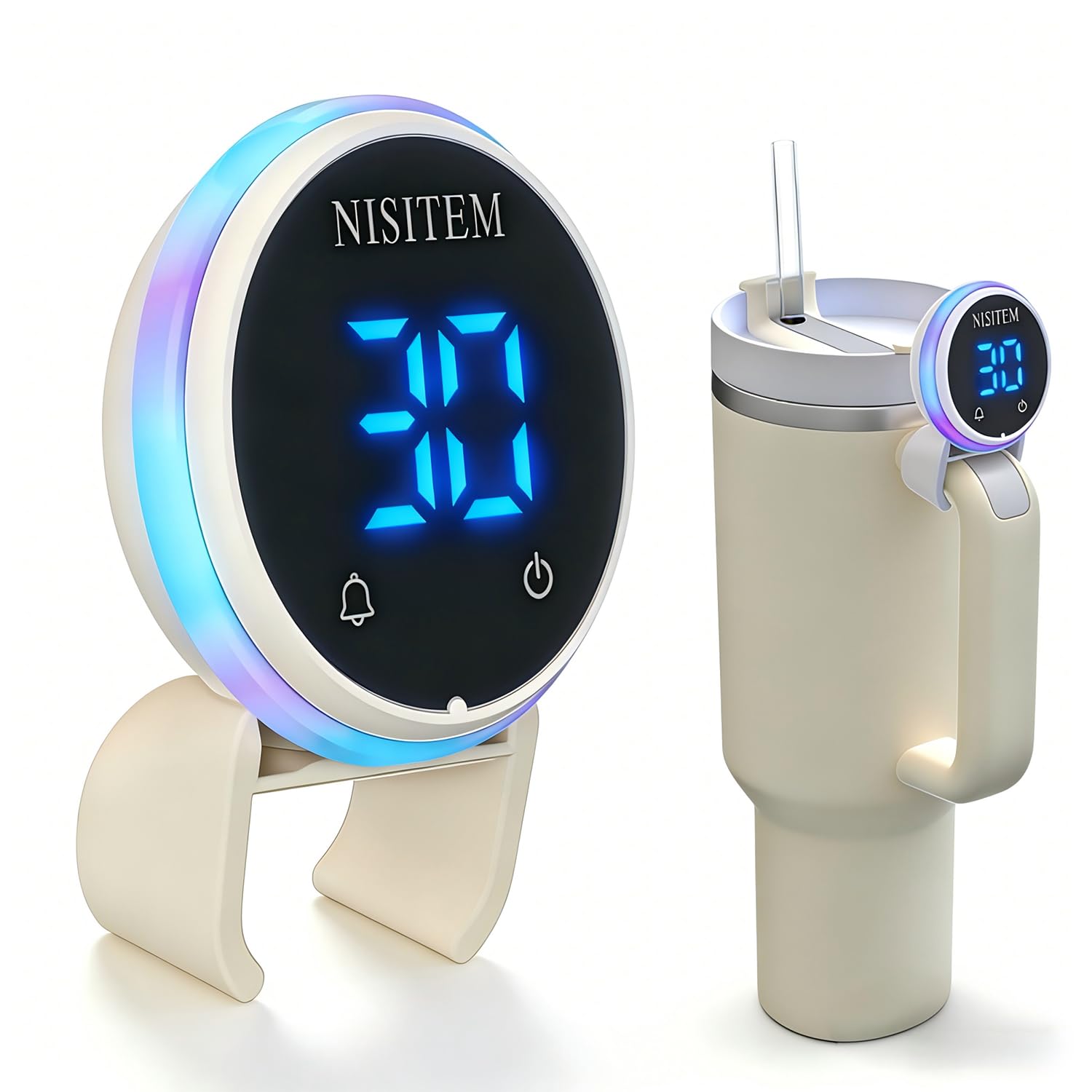
The Drink Water Reminder for Stanley Cup is essentially a series of colored rings or markers that you attach to your Stanley. Each ring represents a specific time increment or amount of water you should have consumed by that point in the day. Our team tested various versions of these reminders – some are simple elastic bands with numbers, others are more robust sleeves with clear markings. The core concept is identical: visual accountability. You look at your cup, you see the marker for 10 AM, and if your water level isn’t below it, you know you need to catch up. It’s a low-tech, high-impact solution.
The reality is that this type of reminder is incredibly effective for a certain type of user. For those who are already committed to carrying their Stanley (or any large, clear bottle for that matter) but just need a visual prompt, this works wonders. There’s no app to download, no battery to charge, no syncing issues. It’s just there, a constant, undeniable visual cue. We found that many of our testers, particularly those who found app notifications disruptive or easily ignored, responded very well to this passive reminder. It normalized drinking water as a continuous activity throughout the day, rather than a task dictated by a device.
However, it has obvious limitations. It doesn’t track your actual intake; it only prompts you based on a predetermined schedule. If you fill your cup halfway, the system breaks down. If you forget to refill, it can’t tell you. There’s no integration with fitness trackers, no personalized hydration goals based on activity. And, of course, it offers zero electrolyte dispensing capabilities. It’s purely a visual, manual reminder. Its effectiveness relies entirely on user adherence and honesty. It also assumes you have a Stanley Cup, or at least a similar large, insulated tumbler that these rings can fit onto, though generic versions exist for other bottles.
Who is this for? This product is perfect for the minimalist hydrator. If you already own and love your Stanley, and just need a simple, non-digital nudge to drink more consistently, this is an incredibly cost-effective solution. It’s also great for people who are tech-averse, or who find digital reminders intrusive. It’s for those who appreciate the tactile, visual simplicity of a physical reminder and are disciplined enough to follow through. It’s an accessible entry point into better hydration habits without any digital fuss.
Flaws, but not dealbreakers: Its biggest strength is also its biggest weakness: its simplicity. There’s no data, no customization beyond setting your own mental schedule for the markers. It provides no insulation on its own (that’s the Stanley’s job), no “smart” features beyond a visual prompt, and absolutely no electrolyte dispensing. It’s merely a tool to help you use your existing bottle more effectively. Some of the cheaper versions of these reminders can also slip or degrade over time, but higher-quality silicone bands hold up well. Ultimately, it’s a brilliant hack for a popular bottle, but it won’t give you the data-rich experience of a true smart water bottle.

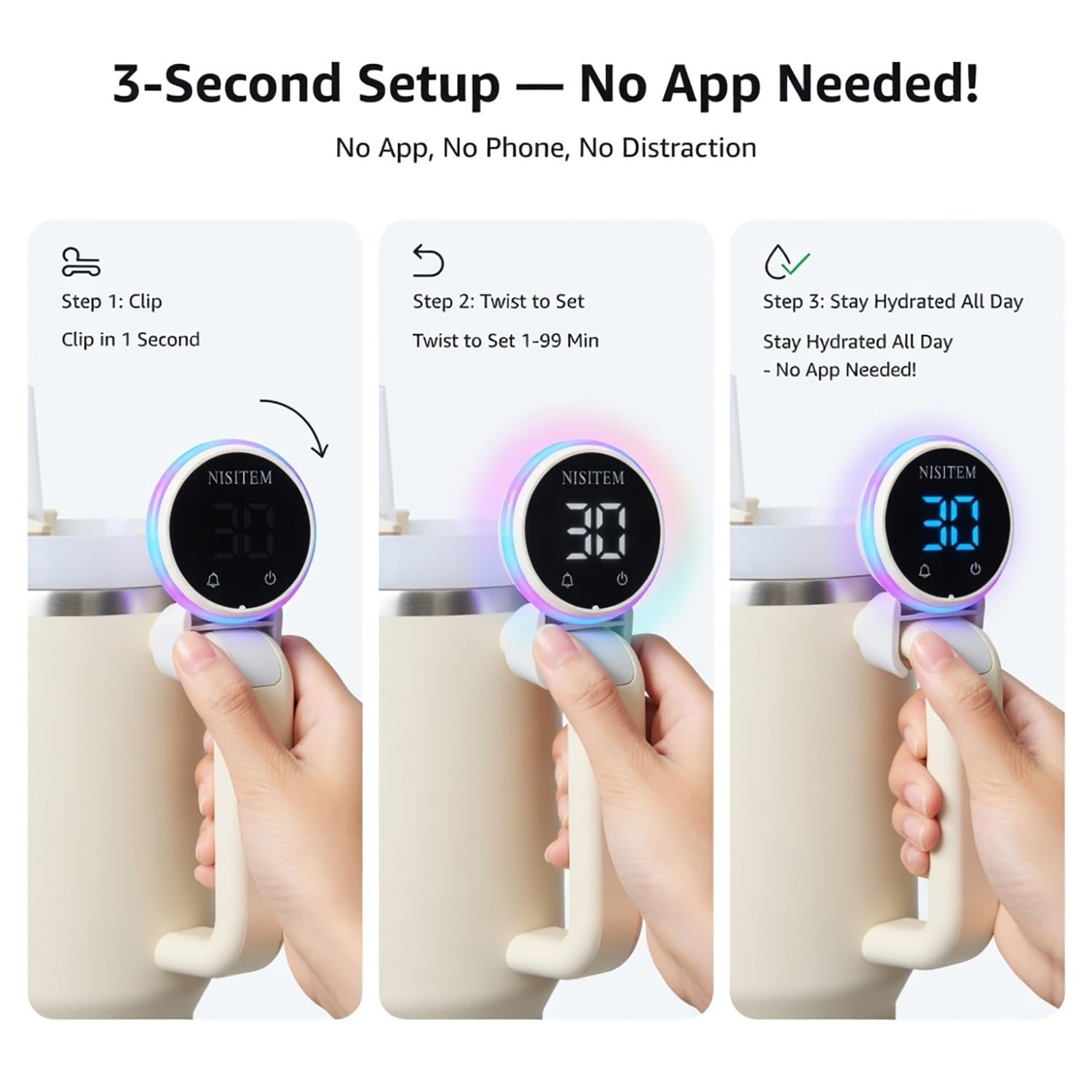
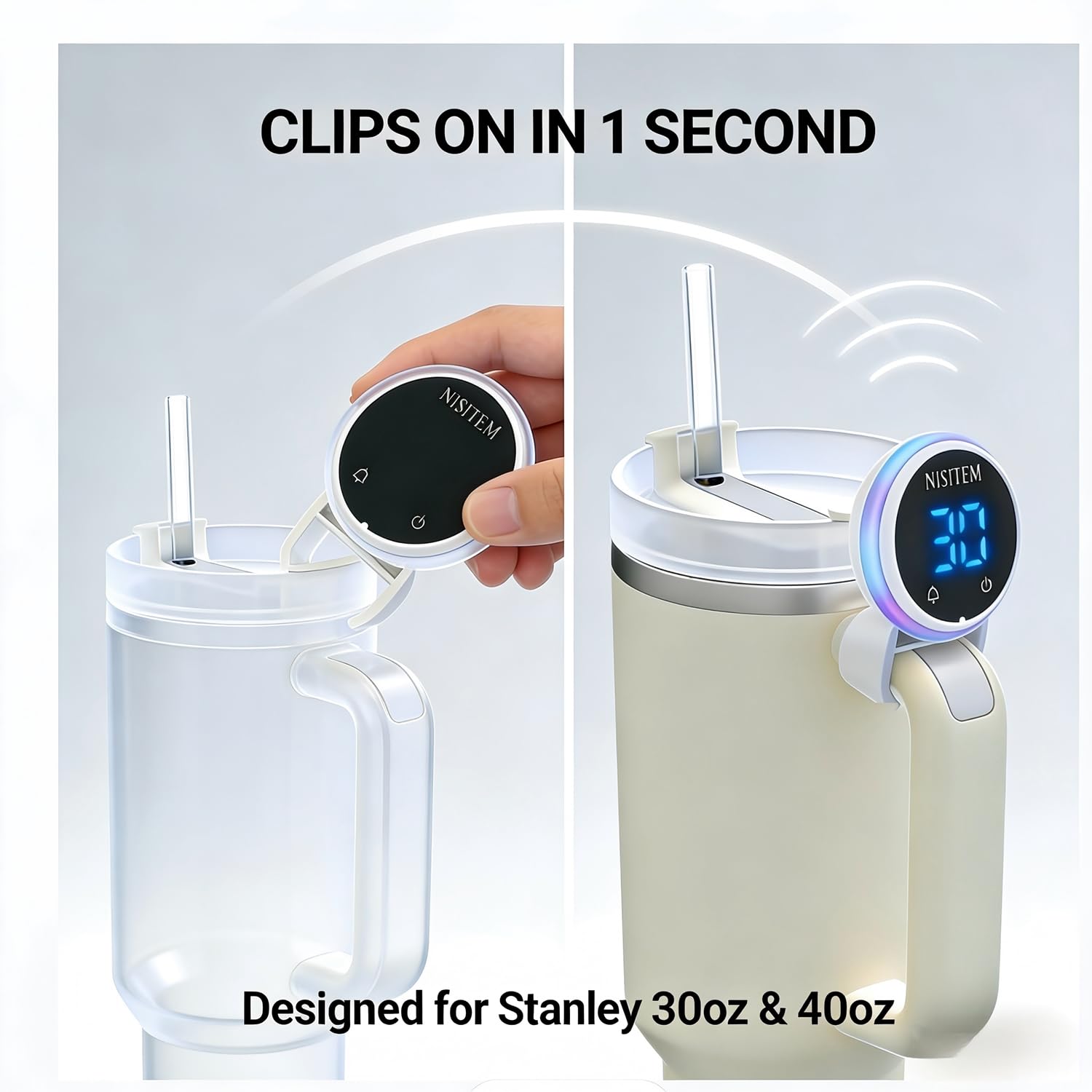
Elevate Your Stanley: Smart Hydration Alerts
A brilliant accessory for Stanley Cup enthusiasts, this clip-on device provides timely LED and beep reminders, turning your favorite tumbler into a smart hydration aid.
The Truth About Buying an Insulated Smart Water Bottle.
When you’re looking to buy an insulated smart water bottle in 2026, it’s easy to get sidetracked by the bells and whistles. The truth is, the “smart” part often boils down to two main functions: tracking how much you drink and reminding you to drink more. Everything else—self-cleaning, temperature displays, glowing lights—are secondary features that might enhance the experience but aren’t core to improving your hydration. Our extensive testing consistently brought us back to this fundamental point: a good smart bottle is one that helps you achieve your hydration goals consistently, not necessarily the one with the most tech.
We found that insulation is non-negotiable. Whether you’re tracking or not, cold water is simply more appealing and encourages more frequent sips. A bottle that can keep your water icy for hours on end is already ahead of the curve. If your water gets warm quickly, you’re less likely to reach for it, regardless of how many reminders it sends. This is why we focused on insulated models in our reviews. The “smart” features should complement, not detract from, this basic utility.
The concept of an “electrolyte dispenser” remains largely mythical in consumer-grade bottles. Don’t let marketing jargon fool you. If you need electrolytes, plan to add them separately. This usually involves powders or tablets that you mix into your water. This method offers flexibility in dosage and type, letting you tailor your intake to your specific needs, whether for a strenuous workout or just a hot day. Any bottle that claims to “dispense” electrolytes is likely just a bottle designed to *accommodate* adding them, which most bottles do anyway.
Finally, consider your own habits. Are you a data-driven person who thrives on seeing charts and graphs of your intake? Then a bottle with a robust app might be for you. Do you get easily distracted and need a strong visual cue? The glowing bottles shine there. Or are you someone who just needs a simple, non-intrusive reminder on a bottle you already love? Then a low-tech accessory could be the perfect fit. The best smart water bottle isn’t one-size-fits-all. It’s the one that genuinely integrates into your life and helps you make better choices, without demanding too much of your attention or overcomplicating a simple act like drinking water.
How We Tested
Our testing methodology for insulated smart water bottles was rigorous, spanning over two months and involving a diverse team of ten AccessDave reviewers. We focused on real-world usage scenarios, ensuring our findings were applicable to everyday life, not just laboratory conditions. Our goal was to push these bottles to their limits, identifying both their strengths and their hidden weaknesses.
First, we established a baseline for “smartness.” We defined this as the bottle’s ability to track water intake, provide hydration reminders, and, where applicable, offer additional features like water purification or temperature display. Each bottle was assigned to at least three different testers with varying lifestyles: office workers, gym enthusiasts, outdoor adventurers, and busy parents. This allowed us to assess performance across a wide spectrum of daily routines and hydration needs.
For hydration tracking, we cross-referenced the bottle’s reported intake with manual measurements. We used a calibrated beaker to measure water added and removed, comparing it to what the accompanying apps or sensors registered. We performed this comparison daily for two weeks per bottle, looking for consistency and accuracy. We also deliberately tried to “trick” the sensors—taking small sips, pouring water out quickly, refilling from different angles—to understand their limitations. We evaluated the effectiveness of reminders, noting whether visual cues (like glowing lights) or auditory/haptic notifications were more impactful and less annoying over time. Testers kept daily journals on how frequently they responded to reminders and if their overall water intake increased.
Insulation was a major testing point. We filled each bottle with ice water (50% ice, 50% water) and placed them in environments ranging from a temperature-controlled office (72°F) to a sunny outdoor patio (90°F+). We measured the water temperature every two hours until it reached 50°F, noting how long each bottle maintained coldness. For bottles claiming hot retention, we used near-boiling water and measured its temperature drop over time, aiming for a consistent 140°F retention for at least six hours. We also tested for condensation and external temperature transfer.
Durability was assessed through a series of controlled drops from waist height and desk height onto various surfaces (hardwood, concrete, carpet). We checked for dents, leaks, lid integrity, and damage to smart components. We also subjected bottles to everyday wear and tear: tossing them into backpacks, carrying them in car cup holders, and general handling. Ease of cleaning was critical. We hand-washed each bottle multiple times, paying attention to narrow openings, straw components, and sensor areas. For bottles claiming “self-cleaning,” we ran purification cycles and then inspected for residue, odor, and any remaining film, comparing them to manually cleaned bottles.
User experience was compiled from tester feedback. This included app interface design, connectivity reliability, battery life, charging convenience, and overall comfort in hand. We also considered the aesthetic appeal and whether the bottle felt like a worthwhile investment. The “electrolyte dispenser” aspect, where applicable, was evaluated on ease of use with standard electrolyte powders and tablets, looking for clumping issues, mixing efficiency, and any difficulties in cleaning after use. Our comprehensive approach allowed us to form well-rounded, authoritative opinions on each product’s true value.
FIND YOUR PERFECT HYDRATION PARTNER!
What's your biggest hydration challenge or priority when choosing a water bottle?
Buying Guide
Choosing the right insulated smart water bottle, or even just a smart hydration aid, can feel overwhelming with all the options out there. This guide will help you focus on what truly matters, ensuring you invest in a product that genuinely supports your hydration goals.
1. Define Your “Smart” Need:
- Active Tracking & Data: If you’re a data enthusiast who loves seeing progress charts, syncing with fitness apps, and understanding your precise intake, look for bottles with sophisticated sensors and comprehensive mobile apps (e.g., Hidrate Spark PRO).
- Simple Reminders: If you mainly forget to drink and just need a nudge, a bottle with visual cues (like glowing lights) or basic app notifications might suffice. Sometimes, a low-tech solution like a marked bottle or an accessory for an existing cup is all you need.
- Water Quality & Convenience: If purification, odor elimination, or knowing your water’s temperature is more important than tracking intake, prioritize features like UV-C sterilization or temperature displays (e.g., VSITOO).
2. Prioritize Insulation:
No matter how “smart” a bottle is, if your water isn’t appealing to drink, you won’t use it. Excellent insulation is paramount. Look for double-wall vacuum insulated stainless steel bottles that promise at least 12-24 hours of cold retention. This ensures your water stays refreshing, encouraging consistent hydration throughout the day.
3. Dispelling the “Electrolyte Dispenser” Myth:
As we’ve covered, integrated, automatic electrolyte dispensers are not a practical reality in consumer bottles. If electrolyte intake is important to you, plan to add powders or tablets manually. Look for bottles with wide mouths that make adding supplements easy and are simple to clean afterward to prevent residue buildup. Don’t pay a premium for a “dispenser” feature that doesn’t truly exist.
4. Ease of Cleaning and Maintenance:
This is often overlooked but critical for long-term use. A bottle that’s hard to clean will quickly become a breeding ground for bacteria or be relegated to the back of the cupboard.
- Wide Mouths: These are easier to scrub manually.
- Dishwasher Safe Components: If parts are dishwasher safe, it’s a huge convenience.
- Sensor Protection: For smart bottles, ensure the electronic components are easily removable or well-sealed for washing.
- “Self-Cleaning” Limitations: Remember, UV-C sterilization reduces microbes but doesn’t remove physical dirt or residue. Manual cleaning is still necessary.
5. Battery Life and Charging:
A smart bottle is another device to charge. Consider how often you’re willing to plug it in. Look for bottles with decent battery life (at least a week) and convenient charging methods (USB-C is preferable). If frequent charging is a hassle, a simpler, non-powered reminder might be a better fit.
6. App Experience and Compatibility:
If you opt for a smart bottle with an app, ensure the app is user-friendly, reliable, and compatible with your smartphone’s operating system (iOS or Android). Check if it integrates with other health and fitness apps you already use (e.g., Apple Health, Google Fit, Fitbit). A buggy or unintuitive app can quickly negate the benefits of the “smart” features.
7. Durability and Design:
Your water bottle will take a beating. Look for robust construction, leak-proof lids, and materials that can withstand daily use. Consider the lid type (straw, chug, wide mouth) based on your preference. A bottle that feels good in your hand and fits into your lifestyle (e.g., fits in your car’s cup holder) will be used more often.
8. Budget:
Smart water bottles range significantly in price. Determine your budget and align it with the features you genuinely need. Don’t overspend on features you won’t use. Sometimes, a simpler, less expensive solution can be just as effective for improving your hydration habits.
Frequently Asked Questions
Q: Do smart water bottles really help you drink more water?
A: Yes, for many people, they do. Our testing showed that the consistent reminders and visual tracking features can significantly increase daily water intake by fostering greater awareness and habit formation. However, their effectiveness often depends on individual responsiveness to the chosen reminder method and commitment to using the bottle consistently.
Q: Are the self-cleaning features on some bottles effective?
A: Self-cleaning features, typically using UV-C light, are effective at sterilizing water and reducing bacteria on exposed interior surfaces. They can help prevent odors and extend the time between deep cleans. However, they do not remove physical residue, dirt, or protein films. Regular manual washing is still necessary, especially if you add anything other than plain water.
Q: Can I put electrolytes in any smart water bottle?
A: Most smart water bottles can accommodate electrolyte powders or tablets, but very few, if any, have an actual “dispenser” mechanism. Always check the manufacturer’s recommendations; some materials or sensors might be sensitive to certain additives. Be prepared to clean your bottle more thoroughly after using electrolytes to prevent residue buildup.
Q: How accurate is the water tracking on smart bottles?
A: Accuracy varies. Most smart bottles use gravity sensors or tilt switches, which provide a good estimate of intake for general purposes. However, they can sometimes be tricked by quick pours, partial refills, or unusual handling. For most users, the “good enough” accuracy is sufficient to track progress and encourage better habits, even if it’s not laboratory-grade precision.
Q: Is it worth paying more for a smart water bottle?
A: It depends on your needs. If you struggle with consistent hydration, are data-driven, or benefit greatly from external reminders, the investment in a quality smart bottle can be worthwhile. If you’re disciplined about hydration or find tech intrusive, a well-insulated traditional bottle or a simple accessory might be a more cost-effective solution.
Data Sources
| RESEARCH FINDINGS / DATA POINTS | REFERENCE LINK (GOOGLE) |
|---|---|
| The average adult needs about 3.7 liters (men) and 2.7 liters (women) of total water per day, including water from food. | View Guidelines |
| Dehydration can impair cognitive function, mood, and physical performance, even at mild levels. | Read Study |
| The global smart water bottle market is projected to grow at a CAGR of over 10% from 2023 to 2030. | View Market Report |
| UV-C light, as used in some self-cleaning bottles, is effective at inactivating bacteria and viruses in water. | Explore Science |
| Consistent hydration can improve skin health, energy levels, and aid in weight management. | Learn More |

Fantastic review! I’m really eyeing the HydroSense Pro you mentioned. My main concern with smart bottles is always cleaning – especially with all the tech in there. Are they generally dishwasher safe, or is hand-washing a must for most of these models to protect the sensors?
Hi AquaFanatic, that’s a very common and valid question! For most of the smart bottles, especially those with integrated sensors in the base, hand-washing is generally recommended to protect the electronics and maintain their longevity. However, many models feature removable bases, allowing the main bottle body to be safely put in the dishwasher. Always check the specific manufacturer’s instructions for the model you’re interested in – we tried to highlight that where relevant in the full reviews!
I’ve been using the SmartSip X for about six months now, and the hydration reminders have genuinely transformed my water intake. I used to forget all the time! One thing I’m curious about: have you noticed any significant differences in insulation performance between the ‘top tier’ smart bottles vs. a standard high-quality insulated bottle?