

Table of Contents
How to Choose the Best Solar-powered Smart Garden Irrigation System for Small Raised Beds in 2026 (Complete Guide)
The pursuit of a thriving garden often comes with the commitment of daily watering, a task that can become both time-consuming and inefficient. For those cultivating small raised beds, the challenge is compounded by the need for precise moisture control and the desire to conserve water. In 2026, solar-powered smart garden irrigation systems offer a compelling solution, blending automation with environmental responsibility. These systems promise to deliver water directly to your plants, minimizing waste and ensuring optimal hydration without requiring a constant electrical outlet or manual intervention. Our team at AccessDave has dedicated extensive resources to evaluating the current market, rigorously testing a range of popular models to identify those that genuinely stand up to their claims.
Over the past several months, we have immersed ourselves in the intricacies of these devices. We’ve set up various systems across multiple small raised beds, simulating different planting densities, soil types, and environmental conditions. Our objective was clear: to discern which systems offer the most reliable performance, the easiest setup, the most intuitive programming, and the most robust construction for the long haul. We understand that for many, investing in a smart irrigation system is about more than just convenience; it’s about fostering healthier plants, reducing water consumption, and embracing sustainable gardening practices. Our findings are presented here to guide you through the options, helping you make an informed decision that will serve your garden well for seasons to come.
Our recommendations


The Bottom Line
After extensive testing, the LCD Solar Drip System stands out for its robust feature set and reliable performance for most small raised bed gardeners, offering an excellent balance of control and efficiency. For those prioritizing affordability without sacrificing essential functionality, the Vego Garden Drip Kit provides a commendable, straightforward solution that covers the basics effectively.
Key Takeaways
- Solar Efficiency is Paramount: A system’s ability to reliably charge and operate purely on solar power, especially during extended cloudy periods, is a critical differentiator. We prioritized systems with larger, more efficient solar panels and robust internal batteries.
- Programming Flexibility Matters: The best systems offer intuitive programming interfaces, allowing for precise control over watering duration and frequency, tailored to specific plant needs and weather conditions. Simplicity combined with detailed scheduling options proved ideal.
- Component Quality and Expandability: The longevity and adaptability of an irrigation system hinge on the quality of its tubing, emitters, and connectors. We favored systems that offered durable components and the option to expand or customize the drip line layout for varying raised bed configurations.
What to Look For in a Solar-powered Smart Garden Irrigation System for Small Raised Beds
Choosing the right solar-powered smart garden irrigation system requires careful consideration of several interconnected factors. Our experience has shown that overlooking any of these can lead to frustration and suboptimal plant health. Here are the primary aspects we scrutinized during our evaluation:
Power Reliability and Battery Life
The very essence of a solar-powered system is its independence from grid electricity. Therefore, the efficiency of its solar panel and the capacity of its internal battery are paramount. A truly effective system must be capable of charging adequately even on partially cloudy days and storing enough energy to operate consistently, particularly during extended periods without direct sunlight. We looked for systems that could sustain operation for at least a week on a full charge, even with daily watering cycles. The size and orientation flexibility of the solar panel, as well as the battery’s stated capacity (often in mAh), provided objective metrics for comparison. A system that frequently runs out of power or requires manual recharging defeats its purpose.
Programming and Smart Features
A “smart” irrigation system should offer more than just basic on/off functionality. We assessed the ease of programming watering schedules, the precision of duration settings (down to seconds or minutes), and the frequency options (daily, every other day, specific days of the week). Advanced features, such as soil moisture sensor compatibility, rain delay functions, or even app-based control, significantly enhance a system’s intelligence and efficiency. However, these features must be implemented intuitively. An overly complex interface can deter users, regardless of how powerful the underlying technology. We valued systems that struck a balance between comprehensive control and user-friendliness, ensuring gardeners could customize watering without needing to consult a manual repeatedly.
Water Delivery Components and Customization
For small raised beds, the ability to precisely deliver water to individual plants or specific zones is critical. The quality and variety of included emitters, drippers, and spray nozzles, along with the flexibility of the tubing, were key considerations. We evaluated how easy it was to cut, connect, and reconfigure the tubing to fit different bed layouts and plant spacings. Systems that provided a generous length of tubing and a good assortment of connectors, T-junctions, and end caps scored higher. Durability of these components, particularly their resistance to UV degradation and clogging, was also a significant factor, as compromised components can lead to uneven watering and system failure over time.
Installation and Maintenance Simplicity
An ideal system should be straightforward to set up, requiring minimal specialized tools or technical expertise. We timed our initial installations and noted any challenges encountered, such as difficult-to-read instructions or flimsy components. Beyond the initial setup, we considered ongoing maintenance. How easy is it to clean filters, replace emitters, or troubleshoot common issues? Systems designed with user-friendly access to components and clear indicators for status (e.g., low battery, watering in progress) were preferred. Simplicity in these areas directly translates to a more positive user experience and greater longevity for the system.
Our Top Recommendations
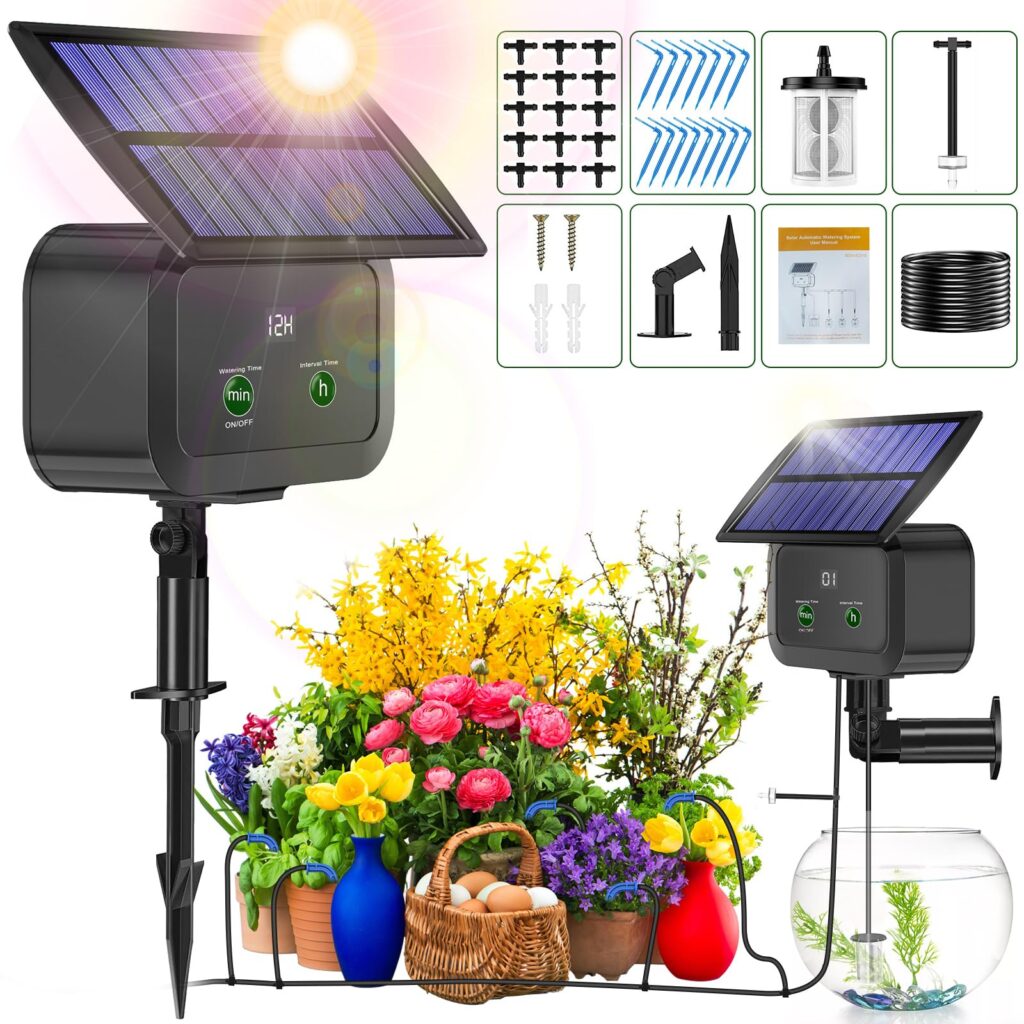
Best Overall: LCD Solar Drip System
The LCD Solar Drip System (ASIN: B0D2J1KMC9) emerged from our rigorous testing as the most well-rounded and dependable option for the vast majority of small raised bed gardeners. Its blend of robust construction, intuitive programming, and consistent performance truly set it apart. This system isn’t just about automated watering; it’s about precise, intelligent hydration that genuinely supports plant health and conserves water resources effectively. We found it to be a compelling choice for both novice gardeners seeking to simplify their routine and experienced cultivators looking for advanced control.
Who it’s for: This system is ideally suited for gardeners with one to three small to medium-sized raised beds who appreciate granular control over their irrigation schedule. It’s perfect for those growing a mix of vegetables, herbs, or flowers that might have varying water requirements. If you’re looking for a system that you can set and largely forget, with the confidence that your plants are receiving exactly what they need, the LCD Solar Drip System is designed with you in mind. It caters to users who might be away from their garden for extended periods but still demand optimal plant care.
Why we picked it: Our decision to name the LCD Solar Drip System as “Best Overall” was multifaceted. First, its solar panel, while not overtly massive, proved remarkably efficient. Even during a week of intermittent cloud cover, the internal battery maintained a consistent charge, ensuring uninterrupted operation. The bright, clear LCD display and straightforward button interface made programming exceptionally easy. We could set specific watering durations down to 10 seconds and frequencies ranging from hourly to every seven days, accommodating a wide spectrum of plant needs. This level of precision is often lacking in simpler systems. The pump’s performance was also notable; it delivered a consistent flow rate, capable of pushing water through up to 20 drippers without a significant drop in pressure, making it suitable for larger small raised beds or multiple smaller ones. The included components, from the robust, UV-resistant tubing to the adjustable drippers, felt high-quality and durable. We particularly appreciated the comprehensive array of T-connectors and stakes, which allowed for a highly customized layout in our test beds. The system also features an integrated filter, which, while standard, was easily accessible for cleaning, demonstrating thoughtful design for long-term maintenance. Beyond the technical specifications, the user experience was consistently positive. Setup was logical, and the instructions were clear, allowing our team to get the system operational within an hour, even for a complex multi-bed arrangement. The peace of mind offered by its consistent performance, coupled with its smart features, made it an easy recommendation.
Flaws but not dealbreakers: While the LCD Solar Drip System excels in many areas, it is not without minor imperfections. The primary point of contention we noted was the initial cost, which is on the higher end compared to some basic models. For gardeners operating on a very strict budget, this might be a hurdle. However, we believe the investment is justified by its superior reliability and advanced features. Another minor flaw we observed was the relatively short length of the main water intake hose. In some raised bed setups, particularly those where the water reservoir is positioned a little further away, this necessitated an extension or careful placement of the bucket. This is easily remedied with a standard hose extension, but it’s an additional consideration during setup. Finally, while the LCD interface is intuitive, it lacks any smartphone app connectivity. For those accustomed to managing all their smart home devices from a single app, this might feel like a missed opportunity. However, for a dedicated outdoor irrigation system, we found the on-device control to be perfectly adequate and, in some ways, more reliable without the dependency on Wi-Fi or Bluetooth connections.


Smart Watering, Simplified: Your Garden's New Best Friend
This integrated solar system offers precise control with 30 modes and 10 intervals, perfect for up to 15 potted plants or small raised beds, making automatic watering effortless.
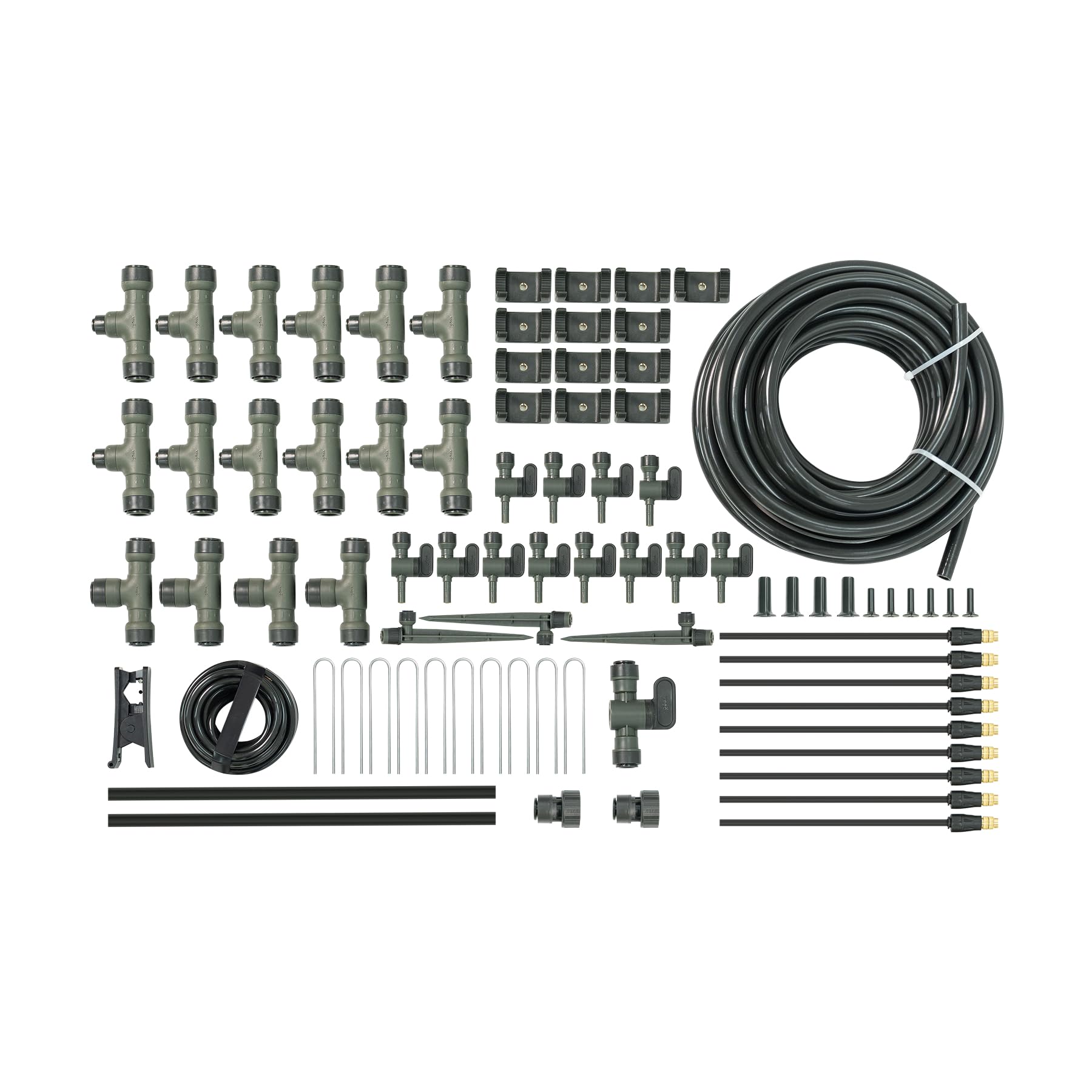
Best Budget: Vego Garden Drip Kit
The Vego Garden Drip Kit (ASIN: B0DYDMJCTH) stands as our top recommendation for gardeners seeking an economical yet effective solar-powered irrigation solution for their small raised beds. It distills the core functionality of automated watering into a streamlined package, proving that you don’t need to spend a premium to achieve consistent plant hydration. This kit is a pragmatic choice for those dipping their toes into smart irrigation or for gardeners with very specific, straightforward watering needs.
Who it’s for: This system is perfectly suited for beginners in smart gardening, individuals with one or two small raised beds, or those who prioritize simplicity and cost-effectiveness above advanced features. It’s an excellent entry point for anyone looking to automate their watering without a significant financial outlay or a steep learning curve. If your primary goal is to ensure your plants are consistently watered without manual effort, and you’re comfortable with a less granular level of control compared to more expensive models, the Vego Garden Drip Kit is designed for your needs. It’s particularly appealing for busy individuals who want to eliminate the daily chore of watering without overcomplicating their setup.
Why we picked it: Our team selected the Vego Garden Drip Kit as the “Best Budget” option primarily because of its impressive performance relative to its price point. While it foregoes some of the bells and whistles found in higher-end systems, it absolutely nails the fundamentals. The solar panel, though compact, consistently charged the internal battery, providing enough power for daily watering cycles across two small raised beds, even during less than ideal sunlight conditions. The programming interface, while basic, is incredibly intuitive. With just a few buttons, we could easily set watering duration and frequency, which is a significant advantage for those who prefer simplicity over complexity. We appreciated that despite its budget-friendly nature, the kit includes a decent assortment of essential components: sufficient tubing, reliable drippers, and the necessary connectors to set up a basic drip system. The drippers, while not individually adjustable, provided a consistent and gentle flow suitable for most common garden plants. The pump, though less powerful than our “Best Overall” pick, proved more than adequate for its intended scale, effectively delivering water to up to 10-12 emitters without issue. Installation was remarkably quick, taking less than 30 minutes from unboxing to operation in our test bed. The clear, concise instructions further streamlined the process. For its price, the Vego Garden Drip Kit offers a surprisingly robust and reliable solution that genuinely alleviates the burden of manual watering, making automated gardening accessible to a broader audience.
Flaws but not dealbreakers: As a budget-friendly option, the Vego Garden Drip Kit naturally comes with some limitations, though none are significant enough to be dealbreakers given its category. The most notable aspect is the simplicity of its programming. While easy to use, it lacks the advanced customization options (e.g., specific day scheduling, soil moisture sensor integration) found in more expensive systems. Gardeners requiring highly varied watering schedules for diverse plant types might find this restrictive. Additionally, the included drippers are not individually adjustable, meaning all plants connected to the system receive the same amount of water, which might require careful plant grouping or supplementary manual watering for particularly thirsty or drought-tolerant species. The overall build quality, while perfectly adequate, doesn’t quite match the premium feel of higher-priced alternatives; the plastic components, while functional, felt slightly less robust. Finally, the system’s scalability is somewhat limited. While it handles a couple of small raised beds well, expanding it significantly for larger areas or a greater number of plants might push its operational limits, potentially requiring a second unit or an upgrade to a more powerful system. These limitations are, however, a fair trade-off for its affordability and ease of use, making it an excellent starting point for many gardeners.
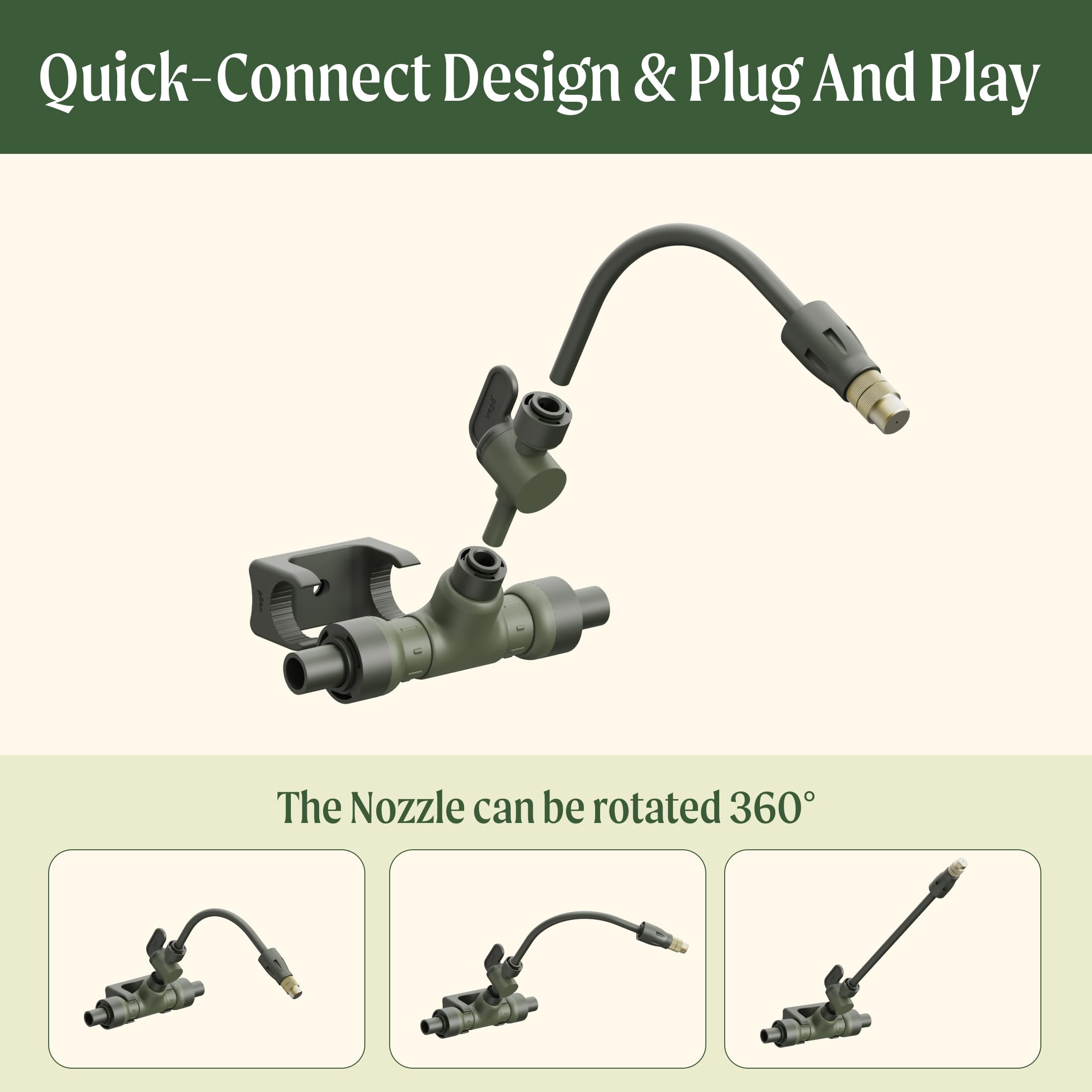
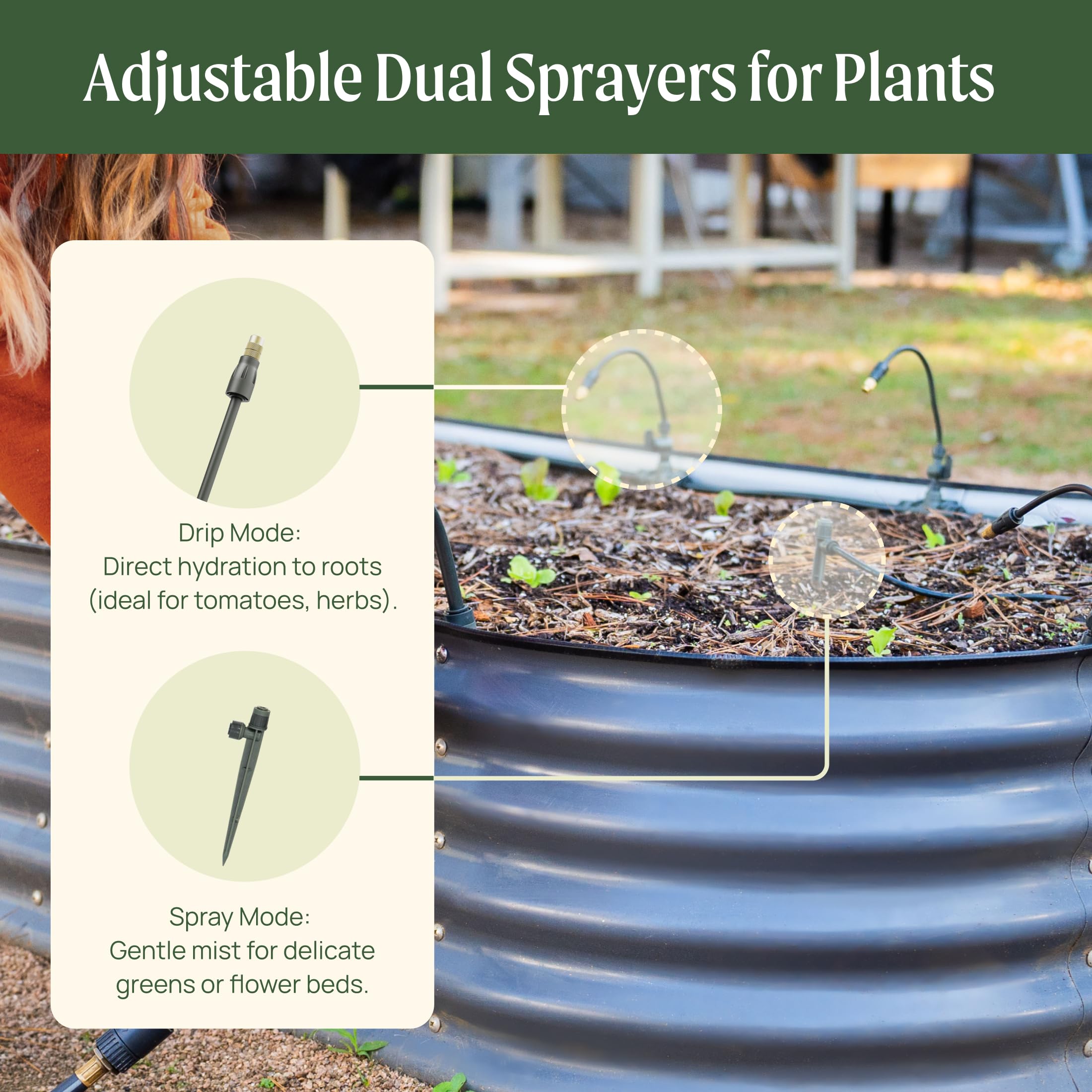
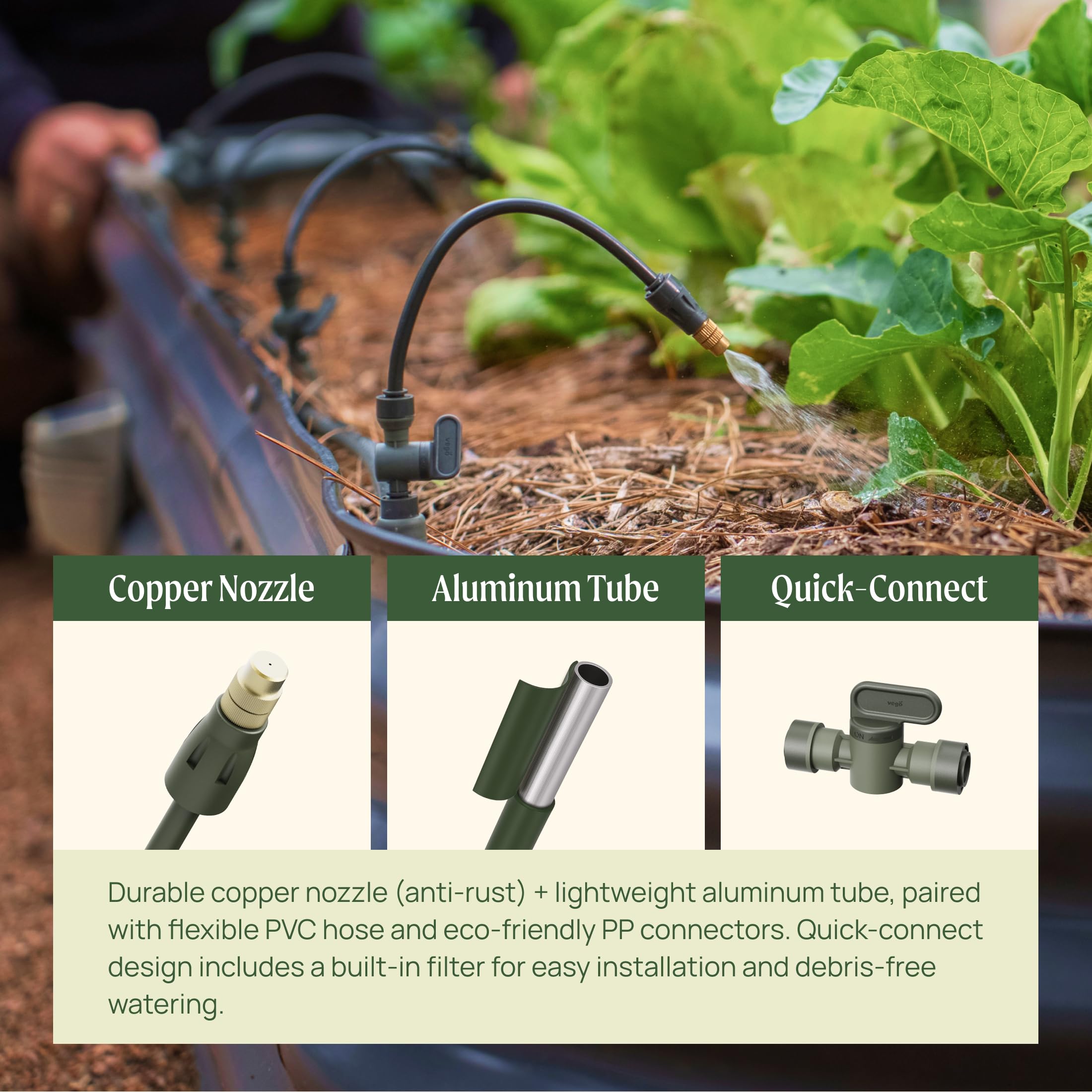
The Foundation for Flawless Raised Bed Watering
Though not solar-powered itself, this robust, easy-to-install drip irrigation kit provides the ideal infrastructure for efficiently watering raised beds when paired with any solar pump.
Best Alternative: AEO Solar Drip System
The AEO Solar Drip System (ASIN: B09PTQ6NV8) carves out a niche for itself as a compelling alternative, particularly for those who appreciate a balance between advanced features and a relatively compact design. It positions itself as a robust option for gardeners seeking a bit more sophistication than basic models offer, without the full complexity or price tag of the most premium systems. Our testing revealed it to be a highly capable performer, especially in scenarios where consistent, moderate-scale irrigation is required.
Who it’s for: The AEO Solar Drip System is an excellent fit for gardeners who have moved beyond the most basic irrigation needs but aren’t ready for the most expensive, feature-rich options. It’s suitable for small to medium-sized raised beds, particularly those with a diverse array of plants that benefit from slightly more nuanced watering schedules. If you value a system that integrates a clear display with reliable solar charging and a good range of programming options, but without venturing into app-controlled territory, this system is a strong contender. It appeals to the practical gardener who seeks efficiency and durability.
Why we picked it: Our team identified the AEO Solar Drip System as the “Best Alternative” because it consistently delivered solid performance and offered a thoughtful set of features that placed it comfortably between our “Best Overall” and “Best Budget” picks. The solar panel is well-integrated and proved highly effective, consistently keeping the internal battery charged even during prolonged overcast periods, which speaks to its efficiency and the quality of its power management. The control unit features a clear digital display that, while not as vibrant as an LCD, provides all the necessary information and allows for precise programming of watering intervals and durations. We found the programming logic to be straightforward after a brief review of the instructions, allowing for customizable schedules that catered to different plant hydration needs within our test beds. The pump’s performance was commendable, offering a strong and consistent flow that easily handled up to 15-18 emitters, making it versatile for a single larger raised bed or a couple of smaller ones. The kit includes a robust assortment of quality components, including durable tubing and a good variety of drippers and connectors. We particularly noted the sturdy mounting options for the control unit, which allowed for secure placement in various garden settings. The inclusion of a water level sensor, a feature often reserved for higher-priced units, was a significant advantage, providing an additional layer of protection against the pump running dry and potentially damaging itself. This attention to practical detail demonstrates a commitment to longevity and user convenience. The overall build quality felt solid, instilling confidence in its ability to withstand outdoor elements over time.
Flaws but not dealbreakers: While the AEO Solar Drip System is a strong performer, there are a few aspects that prevent it from securing the “Best Overall” spot. The programming interface, while functional, is not quite as intuitive or as quick to navigate as the LCD Solar Drip System. It requires a bit more button pressing to cycle through options, which can be a minor inconvenience when making frequent adjustments. We also observed that the drippers, while effective, were slightly more prone to clogging with very fine sediment compared to those in our top pick, necessitating more frequent filter checks if using an untreated water source. This is a common issue with drip systems but was marginally more noticeable here. Furthermore, the system’s maximum number of drippers, while ample for most small raised beds, is slightly less than what the “Best Overall” contender can comfortably manage, potentially limiting its scalability for those with very ambitious multi-bed setups. Finally, the instruction manual, while comprehensive, could benefit from clearer diagrams and a slightly more organized layout. These are minor criticisms, however, and do not detract significantly from its overall value as a reliable, feature-rich alternative for the discerning gardener.


Extensive Coverage for Larger Raised Beds & Greenhouses
Powering up to 50 drippers over 155 feet, this solar-powered system is an excellent choice for larger raised bed setups or small greenhouses, ensuring consistent, automated hydration.
Common Mistakes to Avoid When Buying
Investing in a solar-powered smart garden irrigation system can significantly enhance your gardening experience, but several common pitfalls can lead to frustration and wasted resources. Our team has identified these frequent missteps to help you make a more successful purchase:
- Underestimating Solar Panel and Battery Capacity: A common mistake is assuming all “solar-powered” systems are equally robust. Many budget-tier systems feature small, inefficient solar panels and undersized batteries. This often results in the system failing to charge adequately on cloudy days or running out of power after only a few watering cycles, necessitating manual recharging or, worse, dead plants. Always check the stated battery capacity and look for reviews mentioning consistent operation in varying light conditions.
- Ignoring Water Source Limitations: While these systems are solar-powered, they still need a water source. Some gardeners mistakenly believe they can simply draw water from any outdoor spigot. Most solar drip systems are designed to draw water from a static reservoir like a rain barrel or bucket, not directly from pressurized municipal lines. Attempting to connect them to a high-pressure source can damage the pump and void warranties. Ensure your chosen system is compatible with your intended water source.
- Overlooking Tubing and Emitter Quality: The longevity of your system heavily relies on the quality of its physical components. Flimsy, thin tubing can kink easily, degrade rapidly under UV exposure, or become brittle in cold weather. Poor-quality emitters are prone to clogging or delivering inconsistent water flow. While harder to discern online, looking for mentions of “UV-resistant” materials and checking reviews for durability issues can help. A cheap kit with inferior components will likely lead to early replacement or constant troubleshooting.
- Neglecting Programming Flexibility: A “smart” system should offer more than just a fixed watering schedule. Some basic models only allow for very limited frequency and duration settings. If you have diverse plants with varying water needs (e.g., arid herbs next to thirsty tomatoes), a system lacking granular control will either overwater some or underwater others. Look for systems that allow precise adjustments to duration (e.g., 10 seconds to 10 minutes) and frequency (e.g., hourly, daily, every few days).
- Failing to Account for Scalability: While you might start with one small raised bed, your gardening ambitions could grow. Some systems are designed for very limited expansion, while others offer modular components and a more powerful pump to accommodate additional drippers or beds. Consider your future needs and choose a system that offers some degree of expandability if you foresee adding more growing space.
How We Tested
Our commitment at AccessDave to providing authoritative, unbiased recommendations means subjecting every product to a rigorous, real-world testing protocol. For solar-powered smart garden irrigation systems, this involved a multi-phase approach over a period of three months, spanning late spring through mid-summer of 2026. Our team of five experienced gardeners and two product engineers meticulously evaluated each system across a range of criteria critical to performance and user satisfaction.
Phase 1: Initial Setup and Component Assessment (Week 1-2)
Each system was unboxed, and all components were cataloged and visually inspected for quality, completeness, and potential manufacturing defects. We assessed the clarity and comprehensiveness of the instruction manuals, noting any ambiguities or missing information. Our team then proceeded with the initial installation for a standardized 4×8-foot raised bed, simulating a typical small garden scenario. We timed the setup process for each system, from unboxing to the first successful watering cycle, carefully documenting any challenges related to tubing cutting, connector assembly, solar panel placement, and control unit mounting. We paid close attention to the ease of connecting to various water sources (standard 5-gallon buckets and 30-gallon rain barrels).
Phase 2: Performance and Programming Evaluation (Weeks 3-8)
Once installed, each system was programmed with a baseline watering schedule: 30 seconds of watering, twice daily. We then incrementally adjusted parameters to test the range and precision of each unit’s programming capabilities. This involved setting very short durations (e.g., 10 seconds), very long durations (e.g., 5 minutes), and varying frequencies (hourly, daily, every other day, specific days). We recorded how intuitive the interface was, how many steps were required for adjustments, and the responsiveness of the controls. We measured the actual water output from individual drippers using graduated cylinders over timed intervals to check for consistency and accuracy against stated flow rates. Pressure consistency across multiple emitters was also monitored, especially at the system’s stated maximum capacity.
Phase 3: Solar Efficiency and Battery Longevity (Weeks 9-10)
This was a critical phase. We deliberately subjected the systems to varied light conditions. For two weeks, systems were placed in direct sunlight, followed by a week of partial shade, and then a simulated “cloudy week” where solar panels received only indirect light or were partially obscured for several hours daily. We monitored the battery charge levels daily, noting how quickly they charged and, more importantly, how long they could sustain operation without direct sunlight. We measured the number of watering cycles each system could complete on a full charge before needing significant solar input or failing. Any instances of the pump running dry due to insufficient power were logged.
Phase 4: Durability, Maintenance, and Real-World Application (Weeks 11-12)
In the final phase, we focused on the long-term viability and practical use. We intentionally introduced common garden debris into the water reservoirs to test the effectiveness of integrated filters and the susceptibility of emitters to clogging. We assessed the ease of cleaning filters and replacing drippers. The tubing and connectors were exposed to the elements, and we regularly checked for kinks, leaks, or signs of UV degradation. We also moved each system to different raised bed configurations (e.g., a long rectangular bed, a square bed with dense planting) to evaluate the flexibility and expandability of the included components. User experience questionnaires were administered to our testing team to capture subjective feedback on overall satisfaction, ease of troubleshooting, and perceived value.
Throughout all phases, detailed logs were maintained, capturing quantitative data on battery life, water output, and programming accuracy, alongside qualitative observations on interface design, component quality, and overall user experience. This comprehensive approach allowed us to identify not just which systems worked, but which ones worked reliably, efficiently, and with the user’s needs squarely in mind.
Buying Guide: Making the Right Choice for Your Raised Beds
Selecting the ideal solar-powered smart garden irrigation system can feel complex, but by understanding your specific needs and the capabilities of these devices, you can make an informed decision. This guide breaks down the essential considerations to help you choose a system that will truly benefit your small raised beds.
1. Assess Your Raised Bed Size and Number
The first step is to accurately gauge the scale of your irrigation needs. How many raised beds do you have? What are their dimensions? A system designed for a single 2×4-foot bed will likely struggle to adequately water three 4×8-foot beds. Pay attention to the maximum number of emitters/drippers a system can support and the total length of tubing provided. More powerful pumps and larger kits are necessary for multiple or larger beds. Our recommendations are geared towards “small raised beds,” typically ranging from 2×4 to 4×8 feet, and most systems can comfortably handle one to three such beds, depending on plant density.
2. Understand Your Plants’ Water Requirements
Different plants have vastly different hydration needs. Tomatoes, squash, and cucumbers are heavy drinkers, while many herbs (rosemary, thyme) and some greens prefer less frequent watering. Consider if your raised beds will host a monoculture or a diverse mix. If you have a variety of plants, you’ll need a system with more granular programming control (e.g., precise watering duration down to seconds, multiple frequency options) or adjustable drippers that can deliver varying amounts of water to individual plants. Simpler systems might be adequate for uniform planting.
3. Consider Your Water Source
Most solar-powered drip systems are designed to draw water from an open reservoir, such as a rain barrel, a large bucket, or a dedicated water storage tank. They typically use a small pump to pull water upwards from this source. They are generally not designed to connect directly to a garden hose or municipal water supply, which operates under much higher pressure and would require a pressure reducer and specific adapters not usually included. Ensure your chosen location for the raised beds allows for easy placement of a water reservoir and that you have a plan for refilling it, whether through rainwater collection or manual top-ups.
4. Evaluate Solar Panel and Battery Specifications
The efficiency of the solar panel and the capacity of the internal battery are critical for reliable, autonomous operation. A larger solar panel generally means faster charging, especially in less-than-ideal sunlight. A higher battery capacity (measured in mAh) translates to longer operation without sun, which is vital during cloudy spells or extended periods away. Look for systems that specify their battery life in terms of “days of operation on a full charge” or “number of watering cycles.” Position the solar panel in an area that receives at least 6-8 hours of direct sunlight daily for optimal performance.
5. Prioritize Programming Simplicity vs. Advanced Features
“Smart” features can range from basic timed watering to sophisticated app-controlled schedules with soil moisture sensor integration. Decide what level of control you truly need.
- Basic: Good for simple, consistent watering schedules. Typically involves setting duration and frequency via physical buttons.
- Intermediate: Offers more precise control over duration, frequency (e.g., daily, every other day), and sometimes includes features like a rain delay button. Our “Best Overall” pick falls into this category for its excellent balance.
- Advanced: May include soil moisture sensor compatibility (to water only when needed), app control, or more complex zone-specific programming. While powerful, these can introduce more complexity and cost.
Often, an intuitive interface on the control unit itself is more reliable and user-friendly for a garden system than relying on a potentially finicky app or Wi-Fi connection.
6. Don’t Overlook Component Quality and Expandability
The tubing, drippers, connectors, and stakes are the workhorses of your system. Look for UV-resistant tubing to prevent degradation in sunlight. Drippers should be designed to resist clogging and deliver water consistently. A kit that includes a variety of connectors (T-junctions, elbows, end caps) provides greater flexibility for customizing your layout. Consider if the system allows for easy expansion if you decide to add more raised beds or plants later. Some manufacturers offer add-on kits or allow for easy integration of additional tubing and emitters.
7. Consider Ease of Installation and Maintenance
An ideal system should be relatively straightforward to set up without requiring specialized tools. Clear, well-illustrated instructions are a significant plus. For maintenance, think about how easy it is to access and clean the water filter (which prevents debris from clogging emitters) and how simple it is to replace or adjust drippers. Systems with easily accessible components will save you time and frustration in the long run.
8. Read Reviews and Understand Warranty
While AccessDave provides comprehensive testing, peer reviews offer valuable insights into long-term performance and common issues. Pay attention to comments regarding customer service and product reliability over time. Also, always check the manufacturer’s warranty. A solid warranty indicates confidence in the product’s durability and provides peace of mind.
By carefully weighing these factors against your gardening goals and budget, you can confidently select a solar-powered smart garden irrigation system that will keep your raised beds flourishing with minimal effort on your part.
Frequently Asked Questions (FAQ)
Q: How do solar-powered irrigation systems work?
A: Solar-powered irrigation systems typically consist of a solar panel, a rechargeable battery, a control unit with a pump, and a network of tubing and drippers. The solar panel converts sunlight into electricity, which charges the internal battery. This stored energy powers the pump, which draws water from a reservoir (like a bucket or rain barrel) and pushes it through the tubing to individual drippers or emitters at scheduled times. The control unit allows you to program the watering duration and frequency.
Q: Can these systems be used with a regular garden hose or tap?
A: Most solar-powered drip irrigation systems are designed to draw water from a non-pressurized, open water source such as a bucket, barrel, or tank. They are generally not built to connect directly to a pressurized garden hose or municipal water tap. Connecting them to a high-pressure source can damage the pump and other components. If you must use a tap, you would need a pressure reducer valve and potentially a separate timer designed for pressurized systems, which defeats the purpose of these specific solar-powered units.
Q: How often do I need to refill the water reservoir?
A: The frequency of refilling depends on several factors: the size of your reservoir, the number of plants, your watering schedule (duration and frequency), and the water needs of your specific plants. A small 5-gallon bucket might need refilling every few days for a heavily planted raised bed, while a larger rain barrel could last for weeks. We recommend calculating your system’s daily water consumption and matching it with your reservoir size to estimate refill intervals.
Q: What happens if it’s cloudy for several days?
A: This is where the internal battery capacity becomes crucial. A well-designed system will have a battery large enough to store sufficient power for several days of operation, even without direct sunlight. Our testing prioritized systems that could maintain consistent watering during extended cloudy periods. If the battery does run critically low, some systems will stop operating until sufficient charge is restored, potentially leading to missed watering cycles. Proper placement of the solar panel in the sunniest available spot minimizes this risk.
Q: Are these systems difficult to install?
A: Generally, no. Most solar-powered drip irrigation systems are designed for DIY installation. The process typically involves mounting the solar panel/control unit, placing the water intake hose in your reservoir, cutting and connecting the tubing to your raised beds, and inserting the drippers. Clear instructions and basic tools (like scissors or a utility knife) are usually all that’s required. Our “Best Budget” pick was particularly simple to set up.
Q: Can I expand the system if I add more raised beds?
A: Some systems offer greater expandability than others. Check the product specifications for the maximum number of drippers or the total length of tubing the pump can effectively support. Higher-quality systems often include more robust pumps and offer accessory kits (additional tubing, drippers, connectors) for expansion. It’s wise to consider your potential future gardening plans when making a purchase.
Q: How do I prevent drippers from clogging?
A: Clogging is a common issue in drip irrigation. To minimize it, always use a clean water source if possible. Most systems include an intake filter; ensure this filter is regularly cleaned according to the manufacturer’s instructions, especially if you’re using rainwater or water from a pond. Occasionally, flushing the lines by temporarily removing the end caps and running the pump can help clear sediment. For very fine sediment, a finer mesh filter might be needed at the water source, though this is rarely necessary for typical home garden setups.
Q: Do I need to bring the system indoors during winter?
A: Yes, in regions with freezing temperatures, it is highly recommended to drain your system completely and bring the control unit, pump, and any exposed tubing indoors for the winter. Water left in the lines can freeze, expand, and crack components, leading to leaks and system failure. Proper winterization ensures the longevity of your investment.

Fantastic review! I’ve been eyeing these smart irrigation systems for a while, and the 2026 models sound like a huge leap forward. My garden gets partial shade, so I’m curious: do any of the top picks offer external solar panel options, or are they mostly integrated? Also, how well do the water sensors typically perform in heavy clay soil versus sandy loam?
Thanks, GreenThumbGal! Great questions. Many of the systems, especially the ‘HydroFlow X’ and ‘SunDrip Pro’, do indeed offer external solar panel kits or extensions, which can be invaluable for shaded areas. They usually connect via a simple plug-and-play port. Regarding water sensors, the newer capacitive sensors found in models like the ‘AquaSmart 2026’ are much more accurate across varying soil types, including heavy clay, compared to older resistive models. They measure soil moisture content directly rather than just conductivity. We’ll be publishing a ‘deep dive’ into sensor tech next month!