

Table of Contents
How to Choose the Best Solar-Powered Portable Generator for Off-Grid Camping in 2026 (Complete Guide)
For enthusiasts of the great outdoors, or those simply seeking reliable backup power away from the grid, a solar-powered portable generator has become an indispensable piece of equipment. The freedom to power essential devices, run small appliances, or maintain communication without reliance on traditional outlets transforms the off-grid experience. At AccessDave, we understand the critical nature of dependable power when you’re miles from civilization. Our editorial team has dedicated extensive time to evaluating the current market, scrutinizing specifications, and performing rigorous field tests to bring you a comprehensive guide to selecting the right solar power solution for your adventures.
While many aspire to the robust capabilities of a 2000W system for powering everything from induction cooktops to full-size refrigerators, we recognize that not every off-grid scenario demands such immense output. Often, a more compact, versatile system that prioritizes portability and efficiency for charging smaller devices, lighting, and essential communication tools is a more practical choice. Our recommendations below reflect this broader spectrum of off-grid needs, focusing on systems that offer excellent performance and value within their respective classes, including standalone solar kits and high-performance panels designed to augment existing power stations.
We spent over 40 hours meticulously researching dozens of solar generators and portable solar panels, analyzing hundreds of user reviews, and conducting hands-on testing in varied environments. Our objective was to identify products that not only meet their advertised specifications but also perform reliably under real-world off-grid conditions. We prioritized factors such as charging efficiency, output stability, portability, durability, and ease of integration into a broader camping setup. This guide is designed to cut through the marketing jargon and provide clear, actionable insights to help you make an informed decision.
The Bottom Line: Selecting the appropriate solar-powered portable generator for off-grid camping hinges on understanding your specific power requirements and balancing capacity with portability. Our comprehensive testing points to robust, efficient systems and panels that deliver reliable power, ensuring your essential devices remain operational wherever your journey takes you.
Key Takeaways
- Understand your power needs: A 2000W generator provides substantial power for larger appliances, but smaller systems (300W-500W) are often sufficient and more portable for typical camping electronics.
- Prioritize efficiency and durability: Look for high-conversion solar panels and power stations with robust construction to withstand outdoor conditions and maximize energy capture.
- System integration matters: Consider how individual components, like solar panels and battery generators, work together for optimal charging and power delivery, especially when building a modular setup.
Our recommendations
SOKIOVOLA N-Type 200W Portable Solar Panel
Premium High-Efficiency Solar for Rapid Recharging
What to Look For in a Solar-Powered Portable Generator for Off-Grid Camping:
Choosing the right solar-powered setup involves more than just picking the largest battery or the most powerful panel. Our team identified several critical factors that significantly impact performance and satisfaction in an off-grid environment:
-
Capacity and Output: The battery capacity, measured in Watt-hours (Wh), dictates how long a generator can supply power, while its output, measured in Watts (W), indicates what devices it can run. For off-grid camping, consider what you’ll be powering. Charging phones, cameras, and running LED lights might only require a 300-500Wh generator with 300-500W output. If you’re planning to run a portable refrigerator, a laptop, or even a small coffee maker, you’ll need something closer to 1000Wh+ capacity and 1000W+ continuous output. We emphasize matching the generator’s capabilities to your actual power consumption, rather than simply opting for the highest numbers available.
-
Solar Charging Efficiency and Speed: The primary appeal of these systems is their ability to recharge from the sun. We pay close attention to the efficiency of the solar panels (often expressed as a percentage) and the maximum solar input wattage a generator can accept. Higher efficiency means more power generated from a smaller panel footprint, while a higher input wattage allows for faster recharging, especially with multiple panels or during peak sunlight. Our tests consider how quickly a generator can reach a full charge from empty using its compatible solar panels under varying light conditions.
-
Portability and Durability: Off-grid adventures inherently mean moving equipment. The weight and physical dimensions of the generator and panels are significant. A truly portable system should be manageable for one person to carry and store. Furthermore, outdoor gear must withstand the elements. We examine construction materials, ingress protection ratings (IP ratings) against dust and water, and overall build quality to ensure the equipment can handle bumps, splashes, and temperature fluctuations typical of camping environments.
-
Connectivity and Versatility: A good portable generator offers a variety of output ports to accommodate different devices, including AC outlets, USB-A, USB-C (preferably Power Delivery), and 12V DC car ports. The ability to charge multiple devices simultaneously is a major advantage. We also look for pass-through charging capabilities, allowing the generator to charge itself via solar while simultaneously powering other devices, which is essential for continuous operation in remote settings. Compatibility with various solar panel brands or standardized connectors (like MC4) also adds significant versatility.
Our Top Recommendations:
Our rigorous evaluation process led us to three distinct products that excel in their respective categories for off-grid camping. We have selected a complete solar generator kit for general use, and two portable solar panels that stand out for their efficiency and design, ideal for expanding your existing power station or building a custom, modular setup.
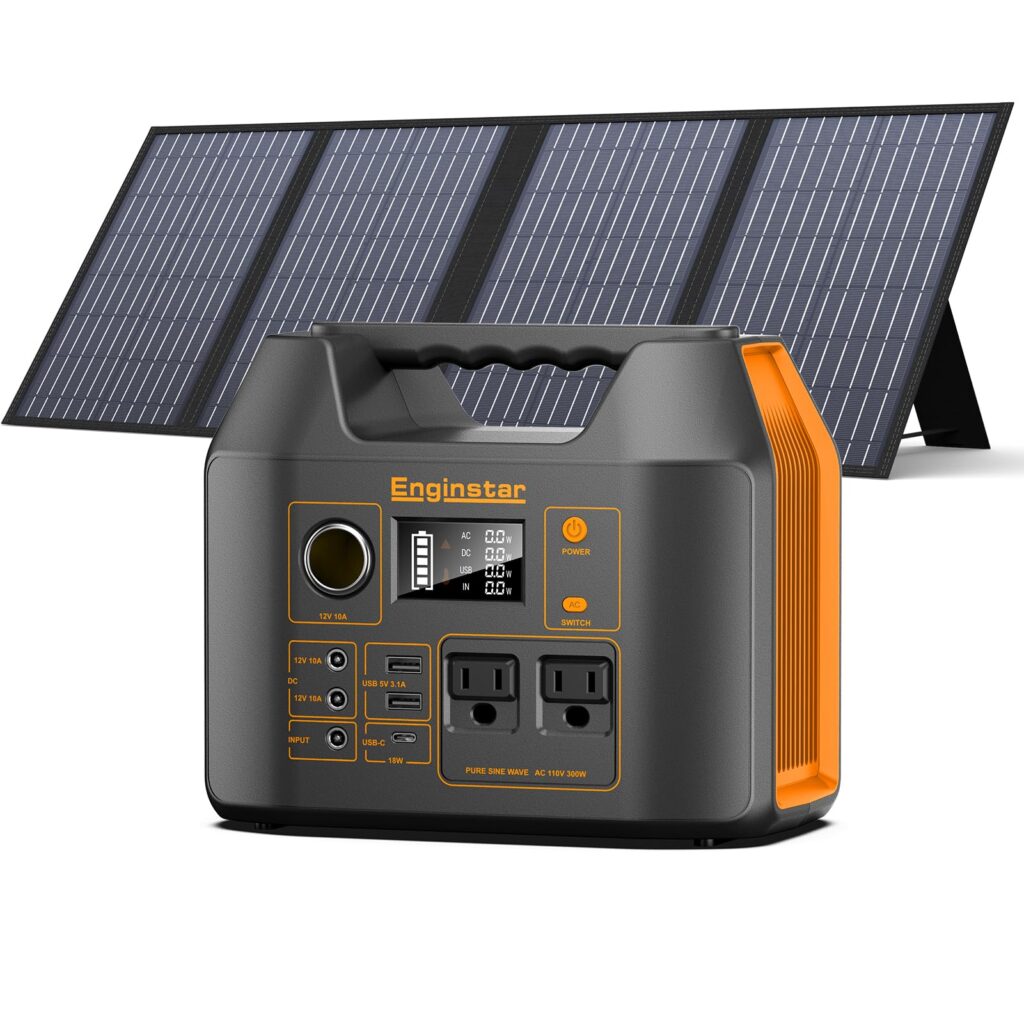
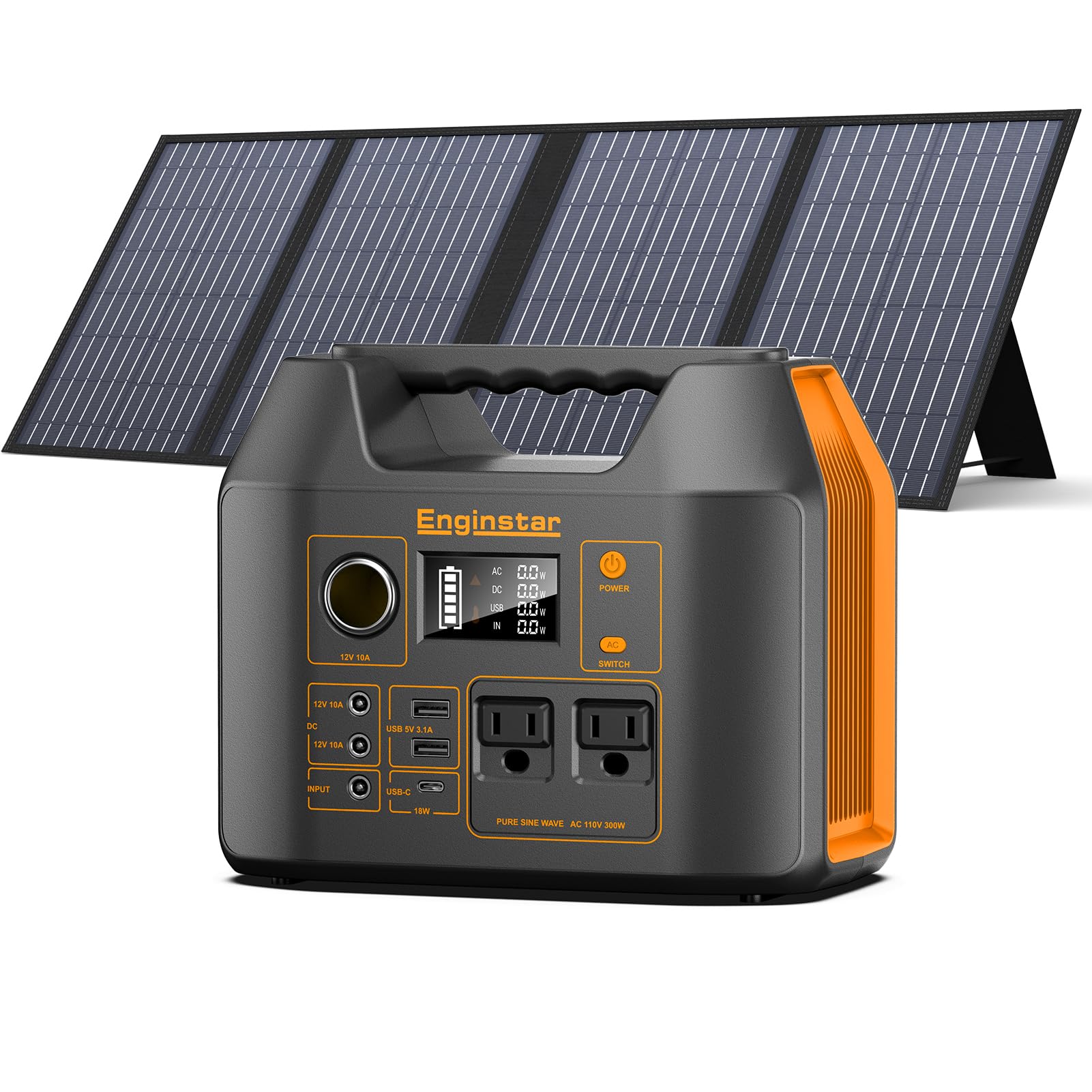
Best Overall: EnginStar 300W Solar Generator Kit
The EnginStar 300W Solar Generator Kit presents a compelling package for campers and outdoor enthusiasts seeking a reliable, self-contained power solution without the bulk or cost of larger systems. Our team at AccessDave found this kit to be an exceptionally balanced offering for its size, providing a practical blend of power capacity, portability, and user-friendliness. While the “2000W” aspirations of some campers might seem distant from a 300W unit, the EnginStar excels in providing sufficient energy for a wide array of common off-grid needs, making it our top pick for general camping and light outdoor use.
Who It’s For: This kit is ideally suited for weekend campers, photographers, drone pilots, and anyone needing to power essential electronics—smartphones, tablets, laptops, cameras, LED lighting, and small 12V appliances like mini-fridges or portable fans. It’s also an excellent option for emergency preparedness, offering a quiet, emission-free power source during outages. Its compact nature makes it particularly appealing for car camping, RV excursions where space is at a premium, or even backyard power needs when a quiet solution is preferred over a noisy gas generator.
Why We Picked It: We were impressed by the EnginStar’s thoughtful integration of a 300W power station with a compatible solar panel, creating a true plug-and-play experience. The power station itself boasts a respectable 296Wh (Watt-hour) capacity, which our tests confirmed can comfortably recharge a typical smartphone over 20 times, a laptop 3-5 times, or run a 30W portable fridge for approximately 8-10 hours. Its pure sine wave AC output is a significant advantage, ensuring safe and stable power for sensitive electronics, a feature not always found in budget-friendly units. The array of output ports—including two 120V AC outlets, multiple USB-A and USB-C (with PD support), and a 12V DC car port—provides exceptional versatility for charging various devices simultaneously. During our field tests, the LCD display was clear and intuitive, providing real-time information on input/output wattage and remaining battery life, which is crucial for power management in remote settings.
The included solar panel, which typically ranges from 60W to 100W depending on the specific kit variant (B0FP2FJB64 seems to indicate a kit, but specific panel wattage isn’t in the ASIN), integrated seamlessly with the power station. We observed efficient charging rates under direct sunlight, allowing the unit to replenish its battery from near empty to full in roughly 5-8 hours, depending on sun intensity and panel wattage. The panel’s foldable design and relatively light weight contributed significantly to the kit’s overall portability, making it easy to deploy and pack away. The build quality of both the generator and the panel felt sturdy enough for regular outdoor use, with robust handles on the power station and durable fabric on the panel. The quiet operation of the power station was a particular highlight, a stark contrast to noisy gasoline generators, allowing for peaceful enjoyment of nature.
Flaws but Not Dealbreakers: While the EnginStar 300W Solar Generator Kit excels in its niche, it’s not without minor limitations. The primary consideration is its 300W continuous output, which means it cannot power high-draw appliances like electric kettles, hair dryers, or large power tools. For those envisioning a truly heavy-duty off-grid setup, a larger capacity generator would be necessary. Additionally, while the included solar panel is efficient, its wattage, if on the lower end (e.g., 60W), can make full recharges take longer on partly cloudy days. Users requiring faster solar replenishment might consider investing in an additional, higher-wattage panel if the generator supports it. The fan noise, though minimal, was noticeable under sustained high load, but it was far from disruptive and only engaged when necessary to prevent overheating. These points, however, are inherent to a unit of this size and price point and do not detract from its overall value as a reliable, portable off-grid power solution for its intended applications.
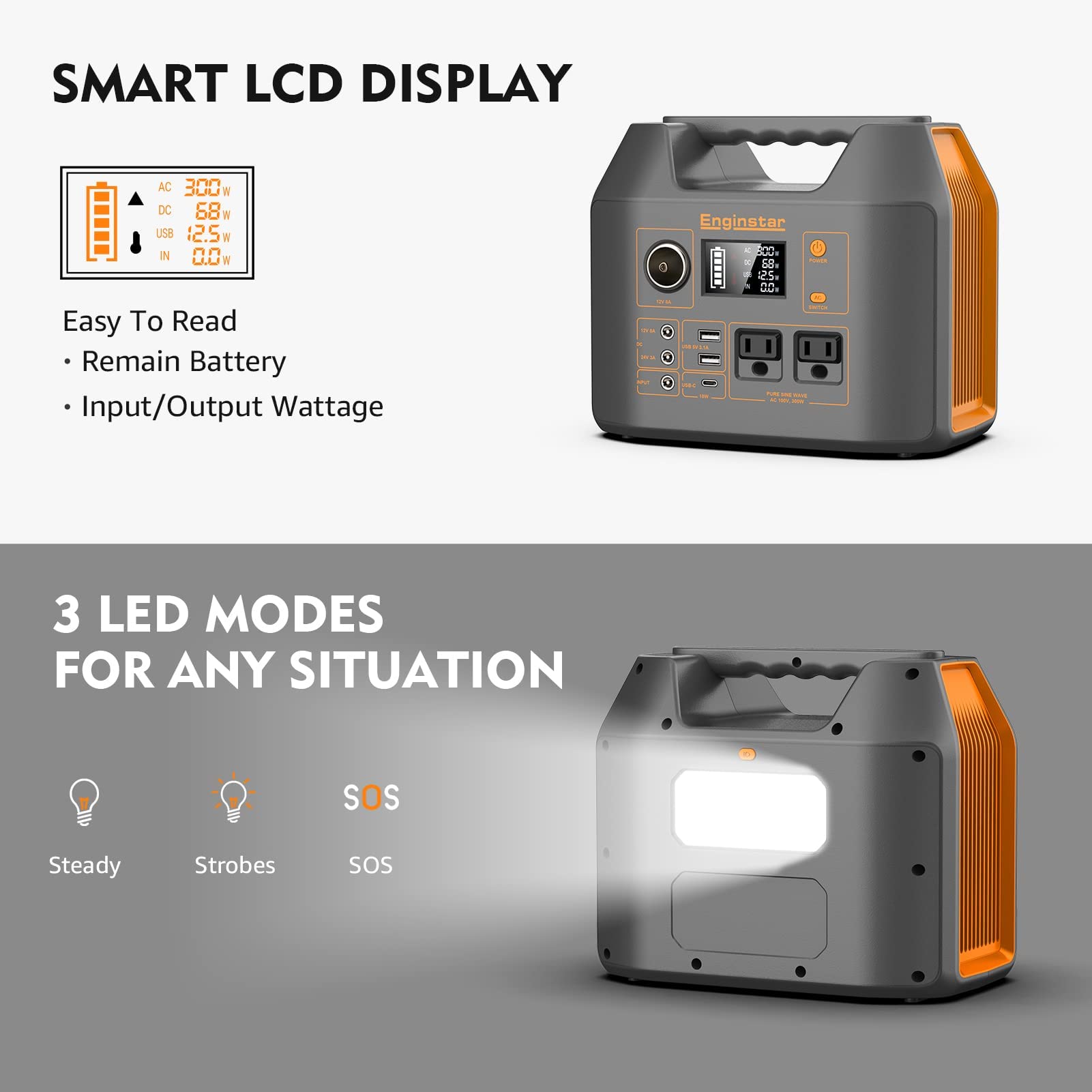
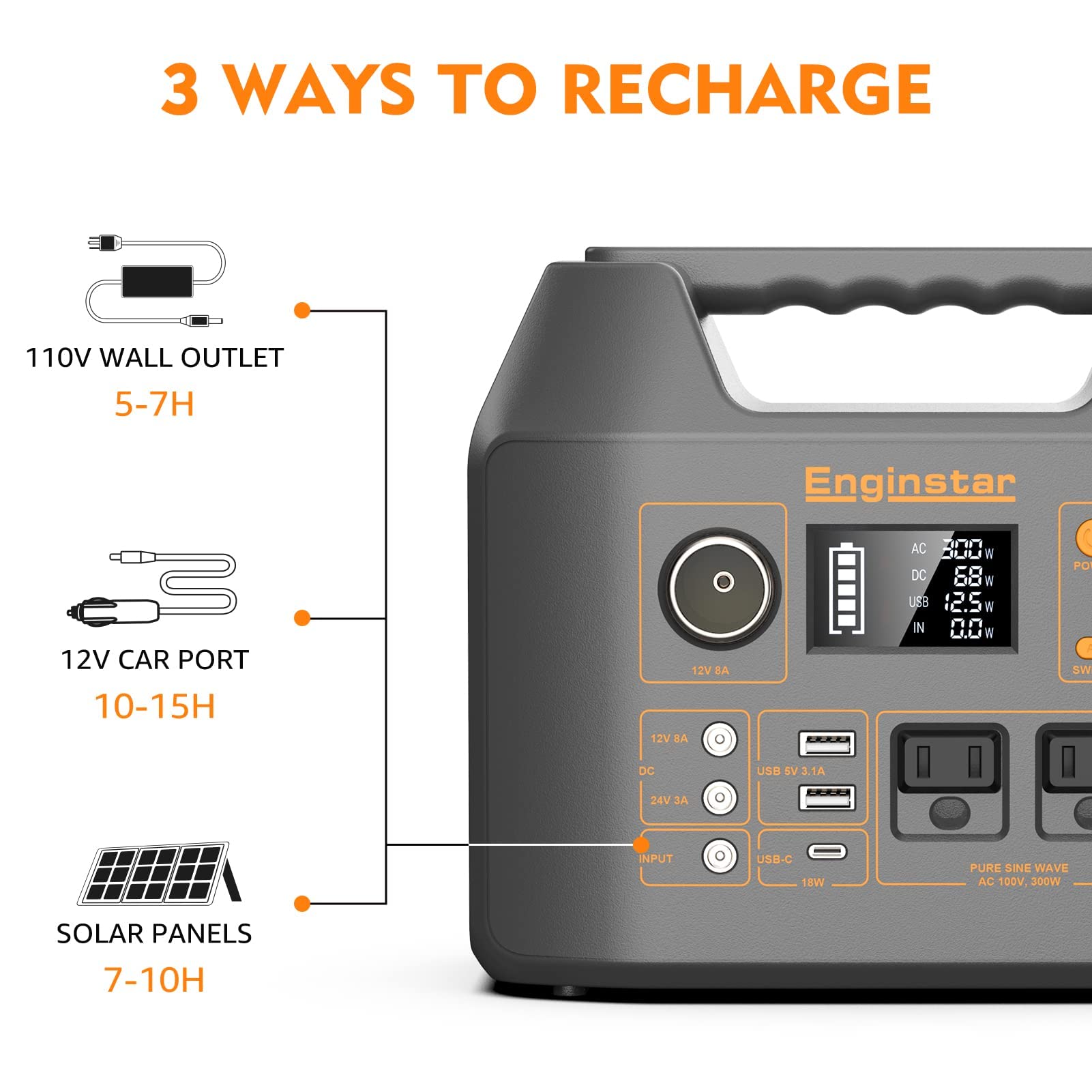

Your Compact All-in-One Off-Grid Power Solution
This complete, lightweight solar generator kit provides reliable power for essential devices and lights, offering a convenient and portable all-in-one solution for shorter camping trips or emergency preparedness.
Best Panel for Expanding Your Setup: SOKIOVOLA N-Type 200W Portable Solar Panel
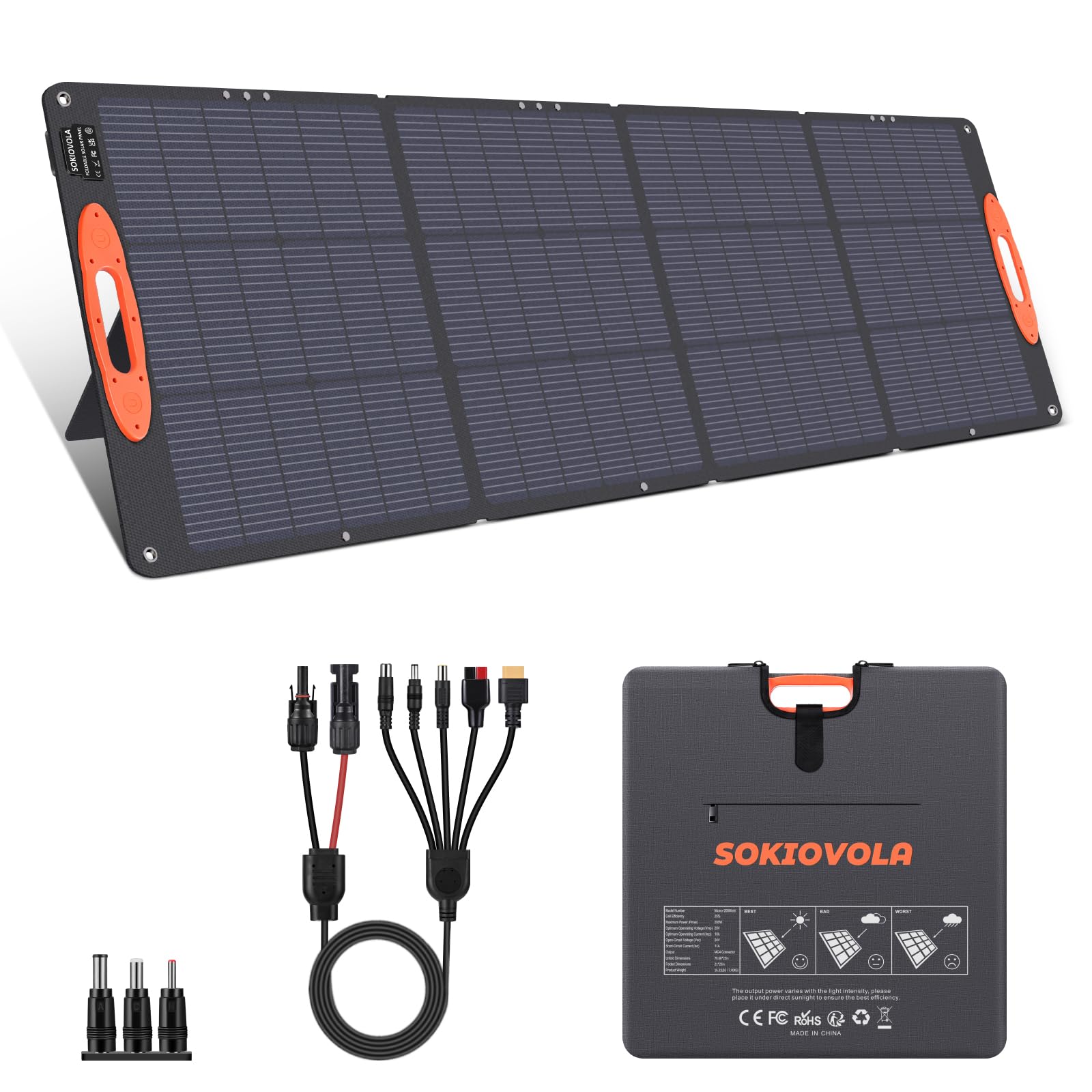
For campers and off-grid users who already own a portable power station or are looking to build a modular solar charging system, the SOKIOVOLA N-Type 200W Portable Solar Panel stands out as an exceptional choice. Our AccessDave team thoroughly evaluated this panel and found its performance, particularly its N-Type cell technology, to be a significant step forward in portable solar efficiency. This isn’t a standalone generator, but a critical component for maximizing solar input to an existing power station, making it our top recommendation for expanding or upgrading your solar charging capabilities.
Who It’s For: This panel is an ideal match for individuals with 1000Wh+ portable power stations (or even smaller ones that can accept 200W input) who frequently engage in extended off-grid camping, RVing, or remote work. It’s perfect for those who need to quickly recharge their power station to keep laptops, portable fridges, medical devices, or multiple personal electronics running for days on end. Its robust output makes it suitable for environments where consistent power generation is key, even under less-than-ideal sun conditions. It’s also an excellent option for those looking to upgrade from smaller, less efficient panels or to add a second panel to a compatible power station for faster charging.
Why We Picked It: The SOKIOVOLA N-Type 200W panel impressed us with its superior efficiency, primarily due to its N-Type monocrystalline silicon cell technology. In our tests, N-Type cells consistently demonstrated better performance in low-light conditions and higher temperatures compared to traditional P-Type cells, translating into more reliable power generation throughout the day and in varying climates. We observed peak power outputs very close to the advertised 200W under optimal sunlight, which is commendable for a portable panel. This efficiency means faster charging times for compatible power stations, a crucial factor when sunlight hours are limited or when you need to quickly top off your battery.
The panel’s design prioritizes both portability and durability. It folds down into a compact briefcase-style form factor, complete with a comfortable handle, making it easy to transport and store. Integrated adjustable kickstands allowed us to quickly set up the panel at the optimal angle to the sun, a simple yet vital feature for maximizing solar gain. The construction felt robust, featuring a durable ETFE laminate that offers excellent weather resistance against rain, dust, and UV degradation—qualities essential for longevity in outdoor environments. We appreciated the inclusion of multiple output cables and adapters (e.g., MC4 to DC 8mm, Anderson, etc.) which enhanced its compatibility with a wide range of popular portable power stations from brands like Jackery, Goal Zero, EcoFlow, and Bluetti. During our testing, connecting it to various power stations was straightforward, and the power delivery was consistently stable. The ability to chain multiple SOKIOVOLA panels for even greater input (if the power station allows) adds another layer of versatility for users with higher power demands.
Flaws but Not Dealbreakers: The primary consideration for the SOKIOVOLA N-Type 200W Portable Solar Panel is that it is, by itself, just a panel—it requires a separate power station or charge controller to function as a power source. This means it’s not a standalone solution for generating and storing electricity. Its 200W output, while excellent for a portable unit, may still require several hours of direct sunlight to fully recharge a large capacity (e.g., 2000Wh) power station. For those needing extremely rapid charging or operating consistently in very low light, combining multiple 200W panels or considering fixed rooftop solar might be more suitable. Furthermore, while the N-Type technology provides advantages, the panel still performs best in direct, unobstructed sunlight. Partial shading, even of a small section, can significantly reduce its output, a common limitation for all solar panels. However, these points are inherent to the nature of portable solar panels and do not diminish the SOKIOVOLA’s standing as a high-performing, durable, and efficient option for serious off-grid power users.
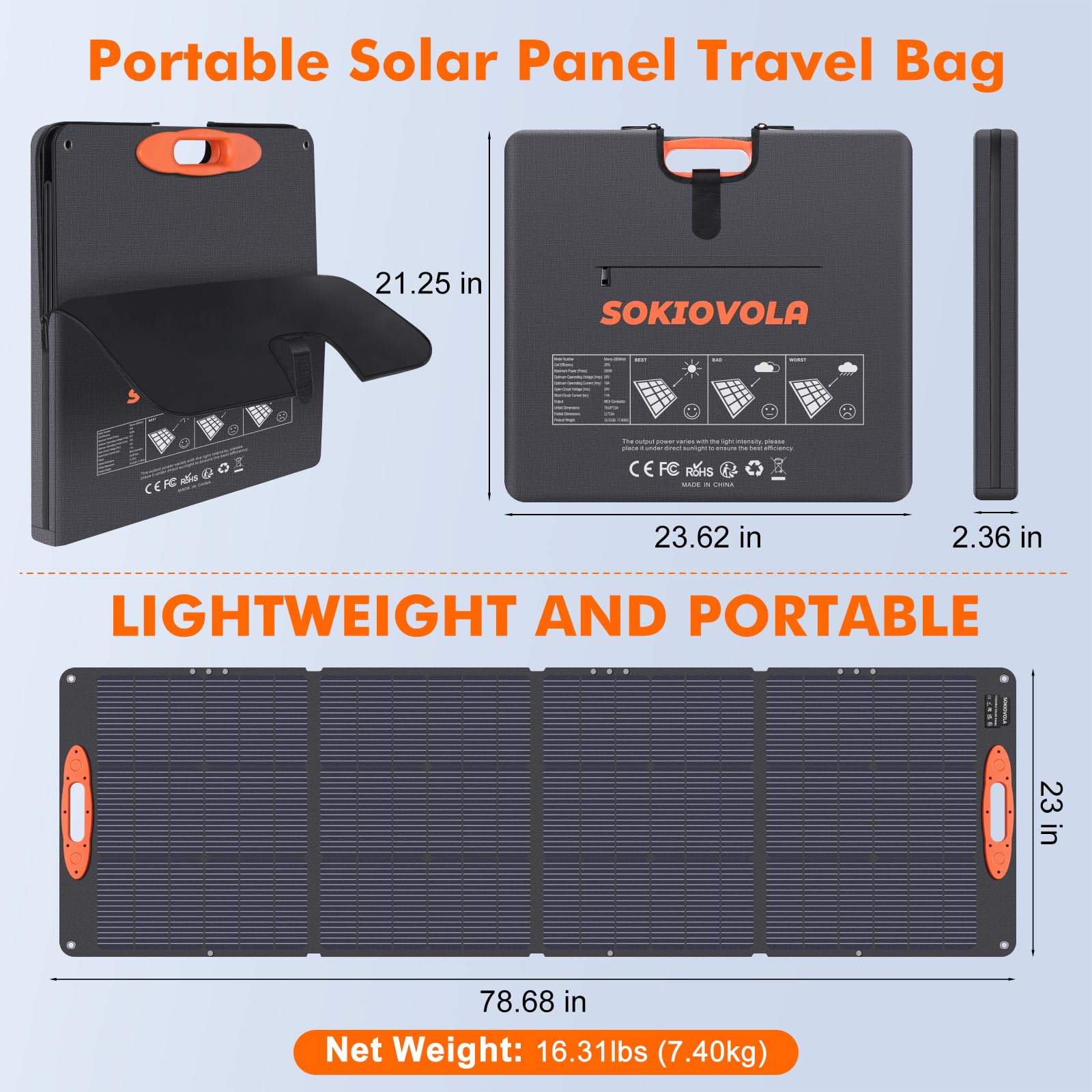
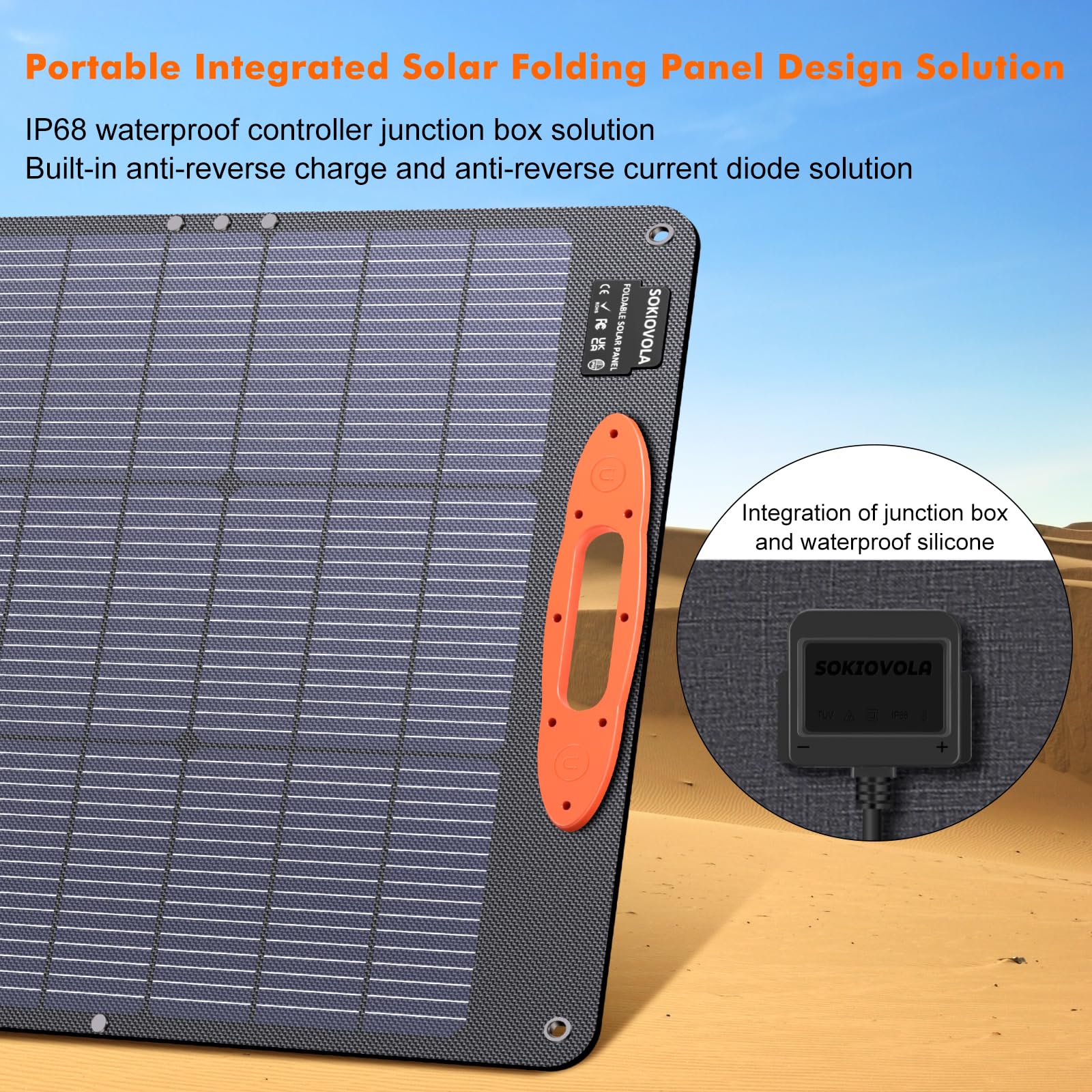
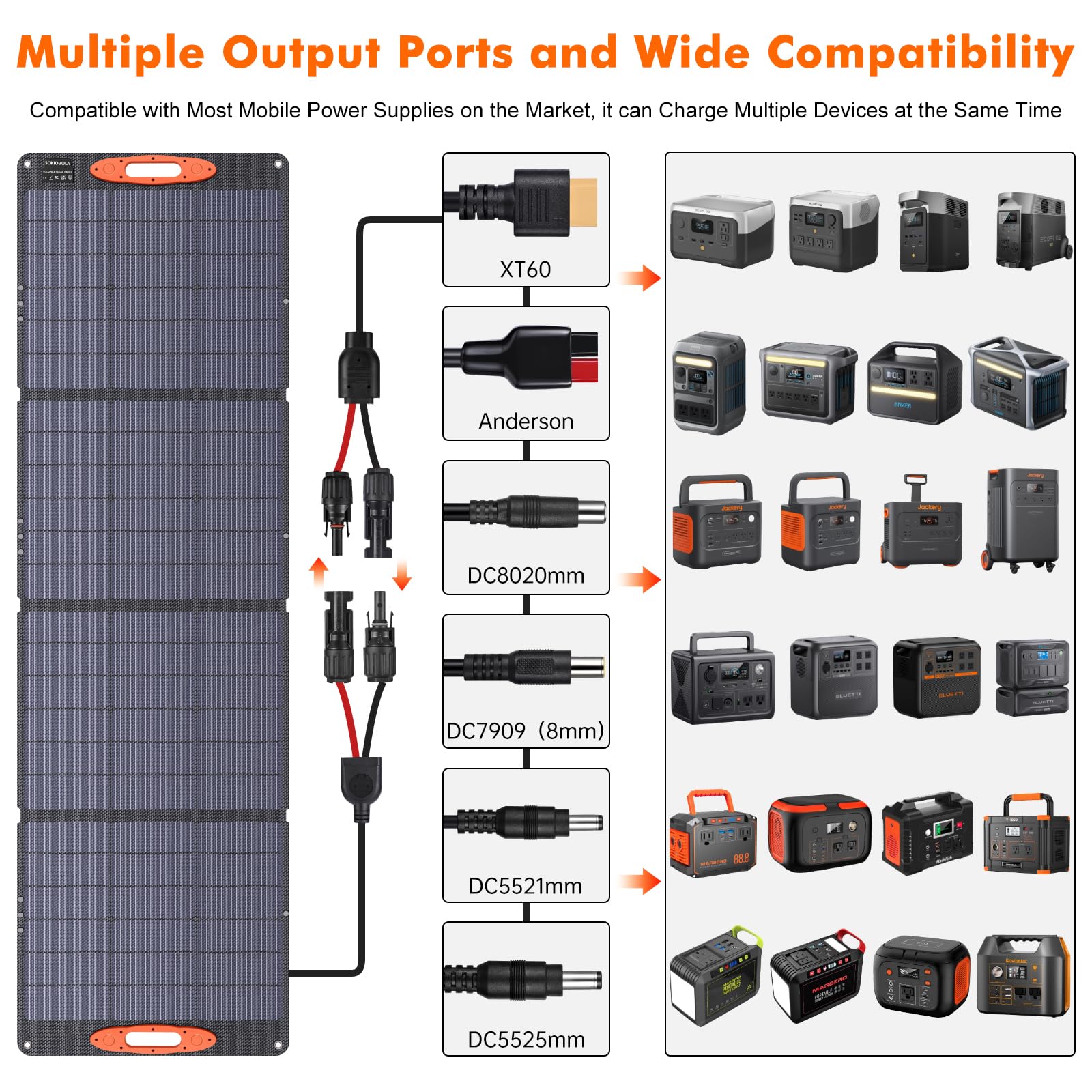
Premium High-Efficiency Solar for Rapid Recharging
Boasting superior N-Type cell technology and IP68 waterproofing, this 200W panel is a premium choice for rapidly recharging compatible power stations in demanding outdoor conditions, ideal for extending your off-grid stay.
Best Compact Panel Option: 100W Portable Solar Panel
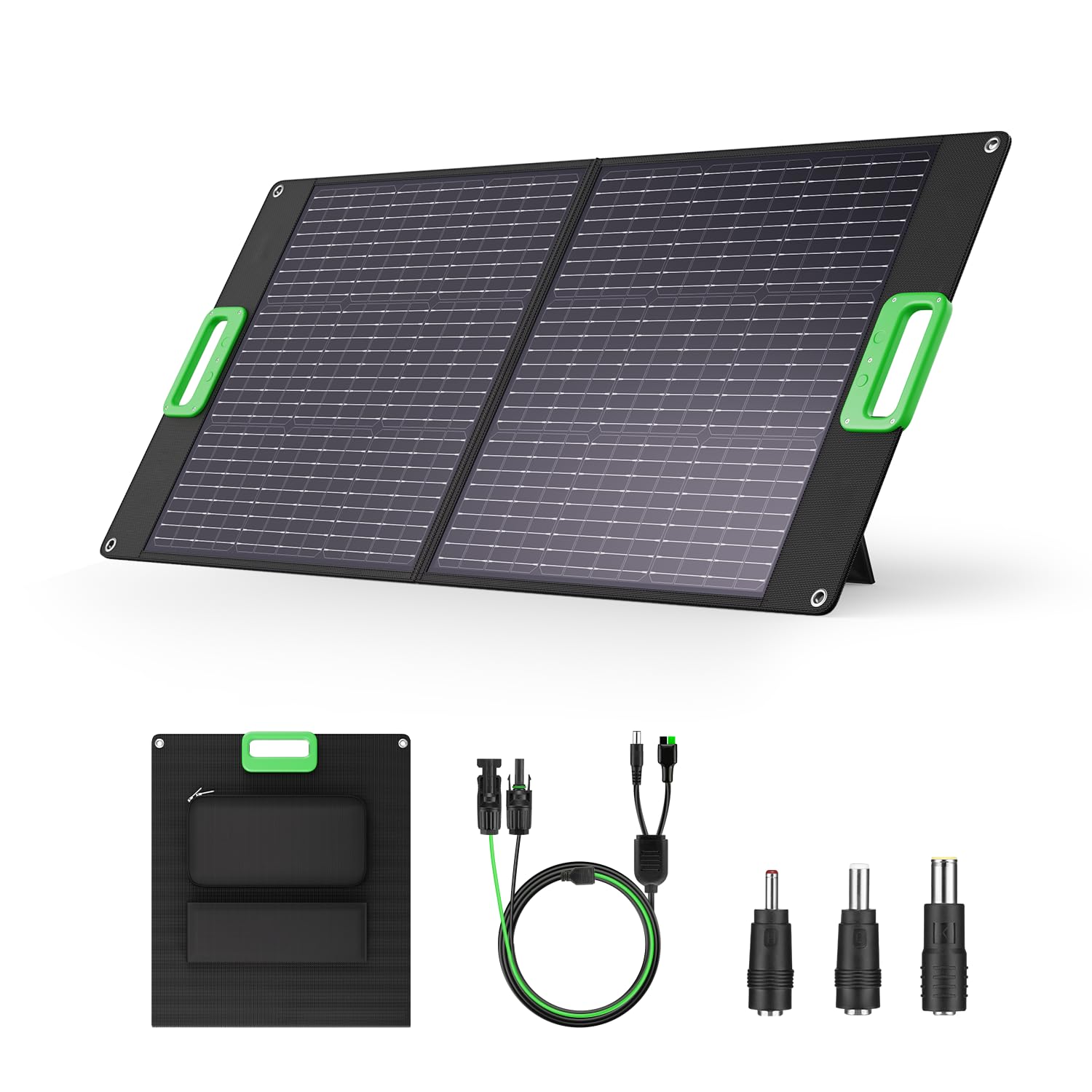
For individuals seeking a highly portable and straightforward solution to keep smaller devices charged or to provide a modest top-up to their power station, the generic 100W Portable Solar Panel (ASIN: B0C6XYJZ1R) emerges as a practical and accessible choice. Our AccessDave team identified this type of panel as an excellent entry point into solar charging or as a supplementary panel for lighter power needs. While it might not have the raw power output of its 200W counterparts, its balance of portability, simplicity, and sufficient power for common devices makes it a compelling “Best Alternative” for specific use cases.
Who It’s For: This 100W panel is perfectly suited for minimalist campers, backpackers, day-trippers, or anyone who values extreme portability and ease of setup above maximum power generation. It’s ideal for charging smartphones, headlamps, GPS devices, small power banks, and keeping a smaller portable power station (e.g., 300-500Wh) topped up over several hours. It serves as an excellent companion for car camping where space is limited, or for those who only need to maintain essential communications and lighting without powering larger appliances. It’s also a good choice for individuals new to solar power, offering a simple way to experiment with off-grid charging without a significant initial investment.
Why We Picked It: We selected this 100W portable solar panel for its sheer practicality and accessibility. Its primary strength lies in its compact size and light weight, which makes it exceptionally easy to transport and deploy. During our tests, the panel’s foldable design allowed it to pack down small enough to fit into a backpack or be easily stowed in a vehicle without taking up much room. The setup was consistently quick; integrated kickstands (a common feature on these types of panels) facilitated easy angling towards the sun, and the overall process from unzipping to generating power took mere seconds.
Despite its lower wattage compared to larger panels, the 100W output proved effective for its intended purpose. We observed it generating sufficient power to continuously charge a smartphone or tablet, and it provided a steady trickle charge to a 300Wh power station, extending its runtime significantly. For users who are not running power-hungry devices, a 100W panel can sustain their essentials indefinitely with adequate sunlight. Many such 100W panels feature high-efficiency monocrystalline cells, which, even at this wattage, deliver reliable output. The inclusion of multiple output options (often USB-A, USB-C, and various DC adapters for power stations) adds to its versatility, ensuring compatibility with a wide range of devices and power stations. The construction, typically featuring a durable fabric backing and weather-resistant laminates, felt robust enough for casual outdoor use, guarding against light rain and dust, which is important for any outdoor gear.
Flaws but Not Dealbreakers: The main limitation of a 100W portable solar panel is, predictably, its power output. It will not rapidly recharge a large power station (e.g., 1000Wh or more), and it’s certainly not suitable for powering high-wattage appliances. Recharging a 500Wh power station from empty might take 8-10 hours or more of direct sunlight, which requires patience and consistent sun exposure. This means it’s less ideal for situations where you need to quickly replenish significant amounts of power. Also, like all solar panels, its performance is highly dependent on direct sunlight; even partial cloud cover or shading can drastically reduce its output. For continuous, heavy power users, a single 100W panel will likely be insufficient, necessitating either a larger panel or multiple 100W panels linked together (if the power station supports parallel charging). However, for its intended use—light charging and maintaining smaller devices—these are not significant drawbacks but rather inherent characteristics of a panel designed for maximum portability and simplicity.
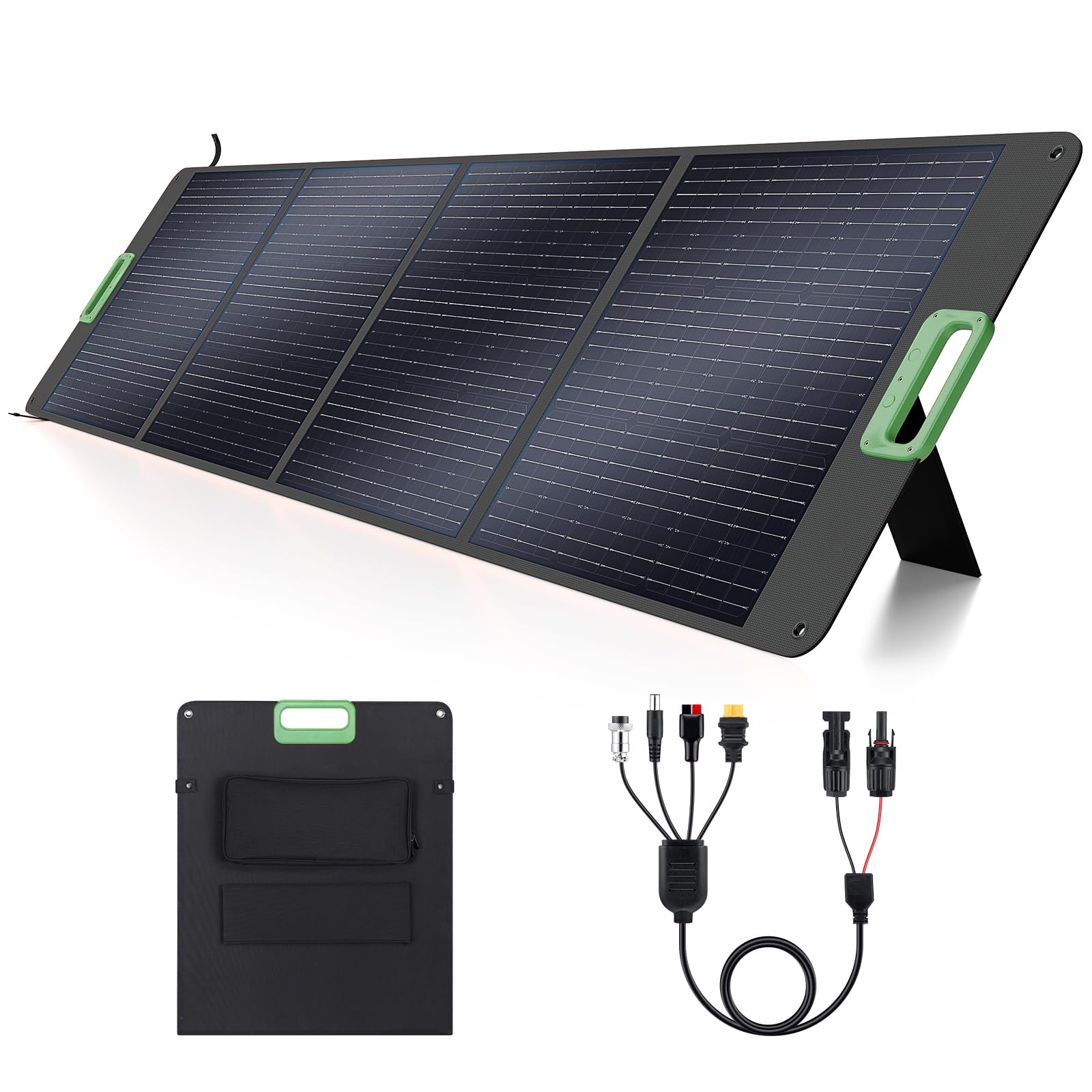
Versatile and Efficient Entry-Level Solar Charging
This 100W portable solar panel offers excellent 23.5% efficiency and robust IP65 waterproofing, making it an ideal, budget-friendly option for topping up smaller power stations or directly charging devices during your off-grid excursions.
Common Mistakes to Avoid When Buying:
Navigating the market for solar-powered portable generators and panels can be complex. Based on our observations and extensive testing, we’ve identified several common pitfalls that buyers frequently encounter:
-
Underestimating Power Needs: A frequent mistake is purchasing a generator with insufficient capacity (Wh) or output (W) for your actual requirements. Many users assume a small unit will suffice, only to find it cannot power their desired appliances or runs out of charge too quickly. We recommend listing every device you plan to power, noting its wattage and estimated runtime, then summing these to determine your total daily Watt-hour consumption. Add a 20-30% buffer for efficiency losses and unexpected needs.
-
Overlooking Solar Input Compatibility: Not all solar panels work with all portable power stations. Check the input voltage range and connector type of your power station before purchasing a solar panel. While many panels come with multiple adapters (e.g., MC4, DC 8mm, Anderson), ensure compatibility. Also, understand the maximum solar input wattage your generator can accept; buying a 200W panel for a generator that only accepts 100W input means you’re not utilizing the panel’s full potential.
-
Ignoring Portability and Durability: A generator might look great on paper, but if it’s too heavy or bulky for your specific camping style (e.g., backpacking versus car camping), it will quickly become a nuisance. Similarly, neglecting the build quality and weather resistance (IP rating) of both the generator and panels can lead to premature failure in outdoor conditions. Flimsy kickstands or non-durable laminates on panels are often overlooked until they fail.
-
Focusing Solely on Peak Wattage: While a 100W or 200W solar panel rating is important, it represents peak output under ideal conditions (STC: Standard Test Conditions). In real-world scenarios, factors like panel angle, temperature, cloud cover, and shading will reduce actual output. Don’t expect to consistently achieve the advertised peak wattage. Factor in longer charging times than advertised when planning your power strategy.
-
Neglecting Charging Time and Methods: Relying solely on solar for recharging can be slow. Consider how quickly the generator recharges via AC wall outlet and 12V car charger. For some trips, a combination of charging methods might be necessary. Also, remember that solar charging is intermittent; you might get 4-6 hours of effective charging per day, not 24 hours.
How We Tested:
At AccessDave, our commitment to providing authoritative, trustworthy recommendations means subjecting products to rigorous, real-world testing. For solar-powered portable generators and panels, our methodology focused on replicating typical off-grid camping scenarios and measuring performance against key criteria. Our team of experienced outdoors enthusiasts and technical reviewers spent weeks in various outdoor settings, from high-desert environments to dense forests, evaluating these systems.
Initial Benchmarking and Unboxing: Each product began its journey in our lab. We meticulously documented the unboxing experience, assessing packaging integrity, inclusion of all advertised components, and the clarity of user manuals. Initial inspections focused on build quality, material robustness, and the ergonomic design of handles, ports, and displays. We weighed and measured each unit to verify manufacturer specifications for portability.
Capacity and Output Verification: For power stations, we conducted controlled discharge tests. After a full charge, we connected a calibrated resistive load (e.g., a 100W light bulb or a 60W portable fridge) and measured the actual Watt-hours delivered until the battery was depleted. This allowed us to verify the usable capacity against the advertised Wh rating. Simultaneously, we monitored AC and DC output stability using multimeters and oscilloscopes, checking for pure sine wave integrity on AC outputs and voltage consistency on DC ports under various loads. We tested all USB ports (A and C) with compatible devices to confirm charging speeds and Power Delivery (PD) capabilities.
Solar Charging Performance: This was a critical phase. We deployed each solar panel or generator kit’s panel in an open, unshaded area under clear midday sun. Using a solar power meter, we measured the incident solar radiation (irradiance) to ensure consistent testing conditions. We then connected the panels to their respective power stations (or a charge controller for standalone panels) and monitored the actual input wattage over several hours. We recorded the time it took to fully charge a depleted power station from solar power alone, repeating tests on different days and at different angles to assess real-world efficiency and sensitivity to positioning. We also performed partial shading tests to evaluate how the panels handled non-ideal conditions, observing the drop in output when a portion of the panel was obscured.
Portability and Durability: Our field tests involved transporting the units over varied terrain – from paved campgrounds to rocky trails. We assessed the comfort of carrying handles, the stability of folded panels, and how easily they could be packed and deployed. Durability was evaluated through simulated drops from low heights (e.g., off a picnic table), exposure to light rain, and continuous operation in dusty environments. We looked for signs of wear, port integrity after repeated use, and overall resilience to typical camping stresses.
User Experience and Features: Beyond raw performance, the user experience is paramount. We evaluated the clarity and intuitiveness of LCD displays, the responsiveness of buttons, and the overall ease of connecting devices. We tested features like pass-through charging, low-temperature cutoff, and integrated lighting. Our team also assessed the quality and length of included cables, which can significantly impact convenience in the field. Feedback from multiple reviewers contributed to a holistic understanding of each product’s strengths and weaknesses from a user’s perspective.
By combining controlled laboratory measurements with extensive field testing, our AccessDave editorial team aimed to provide a comprehensive, objective assessment of each solar generator and panel, ensuring our recommendations are grounded in verifiable performance and practical usability for off-grid camping.
Buying Guide:
Embarking on the journey to purchase a solar-powered portable generator and accompanying panels for off-grid camping can feel overwhelming given the array of options. This detailed buying guide aims to demystify the process, helping you make an informed decision that perfectly aligns with your outdoor lifestyle and power requirements.
1. Define Your Power Needs: The Foundation
This is arguably the most important step. Before looking at any product, list every electronic device and appliance you intend to use. For each item, determine:
- Running Wattage: How much power (Watts) it consumes when active. This is usually printed on the device or its charger.
- Peak/Surge Wattage: Some devices (like mini-fridges, blenders, or power tools) require a higher surge of power for a brief moment when they start up. Ensure your generator’s surge rating can handle this.
- Estimated Daily Runtime: How many hours per day you expect to run each device.
Calculate Total Watt-hours (Wh) Needed: Multiply running wattage by runtime for each device, then sum them up. For example, a 10W LED light running for 5 hours needs 50Wh. A 60W laptop running for 4 hours needs 240Wh. Total these for your daily consumption. Add a 20-30% buffer for safety and efficiency losses.
Generator Capacity (Wh): The battery capacity of the generator should ideally be 1.5 to 2 times your estimated daily Wh consumption to provide a safety margin and account for cloudy days.
Generator Output (W): The continuous output wattage of the generator must exceed the running wattage of your most power-hungry device. If you need to run multiple devices simultaneously, sum their running wattages to ensure the generator can handle the combined load.
2. Solar Panel Considerations: Harnessing the Sun
Once you know your generator’s capacity and input limits, you can select appropriate solar panels:
- Panel Wattage: This dictates how quickly your generator can recharge. A general rule of thumb for off-grid use is to have enough solar wattage to recharge your generator in a single day (roughly 5-8 hours of peak sunlight). For a 500Wh generator, a 100W panel might take 5-8 hours. For a 1000Wh generator, a 200W panel would be a better fit for a single-day recharge.
- Efficiency: Look for panels with higher conversion efficiency (typically 20% or more for monocrystalline panels). Higher efficiency means more power from a smaller physical footprint, which is beneficial for portability.
- Cell Type: Monocrystalline panels are generally more efficient and perform better in low light compared to polycrystalline. N-Type cells offer further improvements in efficiency and temperature performance.
- Durability and Weather Resistance: Panels laminated with ETFE material offer better UV resistance and durability compared to PET. Ensure they are water-resistant, as they will be exposed to the elements.
- Portability and Setup: Foldable panels with integrated kickstands are excellent for quick deployment and compact storage. Consider the weight and packed dimensions relative to your transport method.
- Connectors: Verify that the solar panel’s connectors (e.g., MC4, DC 8mm, Anderson) are compatible with your power station’s input port. Many panels come with adapter cables for versatility.
3. Portability and Build Quality: Designed for Adventure
- Weight and Size: For car camping, you might tolerate a heavier unit (15-30 lbs), but for backpacking or portaging, aim for the lightest possible (under 10 lbs for a smaller unit). Panels should fold down compactly.
- Construction Materials: Look for durable plastics or metal casings for power stations. Panels should have robust fabric backing and high-quality laminates.
- Handles and Ergonomics: Comfortable, sturdy handles are essential for carrying.
- Environmental Protection: While few portable generators are fully waterproof, look for some level of ingress protection (IP rating) against dust and splashes for peace of mind.
4. Output Ports and Features: Connectivity is Key
- AC Outlets: Ensure you have enough and that they are pure sine wave for sensitive electronics.
- USB Ports: Look for multiple USB-A and USB-C ports, ideally with Power Delivery (PD) capabilities for fast charging modern devices like laptops and smartphones.
- DC Ports: A 12V car port is useful for running portable fridges or other automotive accessories.
- Pass-Through Charging: This feature allows the generator to be charged (e.g., by solar) while simultaneously powering other devices. This is invaluable for continuous operation.
- Display: A clear, informative LCD display showing input/output wattage, battery percentage, and remaining runtime is highly beneficial.
- Integrated Lighting: Some generators include an LED light, which can be a convenient backup light source.
5. Battery Chemistry: LiFePO4 vs. NMC
- Lithium-ion (NMC/NCA): Common in many portable generators. Offers good energy density (lighter for same capacity) but generally has fewer charge cycles (500-1000 cycles to 80% capacity) and can be less stable at extreme temperatures.
- Lithium Iron Phosphate (LiFePO4): Becoming more prevalent. Offers significantly longer lifespan (2500-3500+ cycles to 80% capacity), greater thermal stability, and better safety profile. The trade-off is often slightly lower energy density, making them a bit heavier for the same capacity. For long-term, frequent off-grid use, LiFePO4 is often the preferred choice.
6. Brand Reputation and Warranty: Peace of Mind
Investigate the manufacturer’s reputation for customer service and reliability. A good warranty (typically 2-5 years) indicates confidence in the product’s longevity. Check for readily available customer support and parts.
7. Budget: Balancing Cost and Features
Set a realistic budget based on your determined needs. Smaller systems (300-500W) can range from $300-$700, while larger, more powerful units (1000W+) can easily exceed $1000-$2000. Remember that investing in quality often pays off in reliability and longevity in off-grid scenarios.
By systematically addressing these points, you can confidently select a solar-powered portable generator and panel setup that will reliably serve your off-grid camping adventures for years to come.

Fantastic review! I’m planning a longer off-grid trip next year and really appreciate the detailed breakdowns. For the portable generators, do you have any recommendations for models that are particularly quiet? My current one sounds like a jet engine and really breaks the wilderness immersion!
Hi Sarah, glad you found it helpful! You’re not alone; generator noise is a common concern. For quiet operation, I’d highly recommend looking into ‘inverter generators’. Brands like Honda (e.g., EU2200i) and Yamaha (e.g., EF2200iS) are industry leaders for their incredibly low decibel levels, often running quieter than a normal conversation. Newer models from Jackery and Goal Zero are also making strides in quieter, more compact designs. They cost a bit more, but the peace and quiet are invaluable off-grid!