

Table of Contents
- Our recommendations
- Why Short-Term Reviews Are Flawed
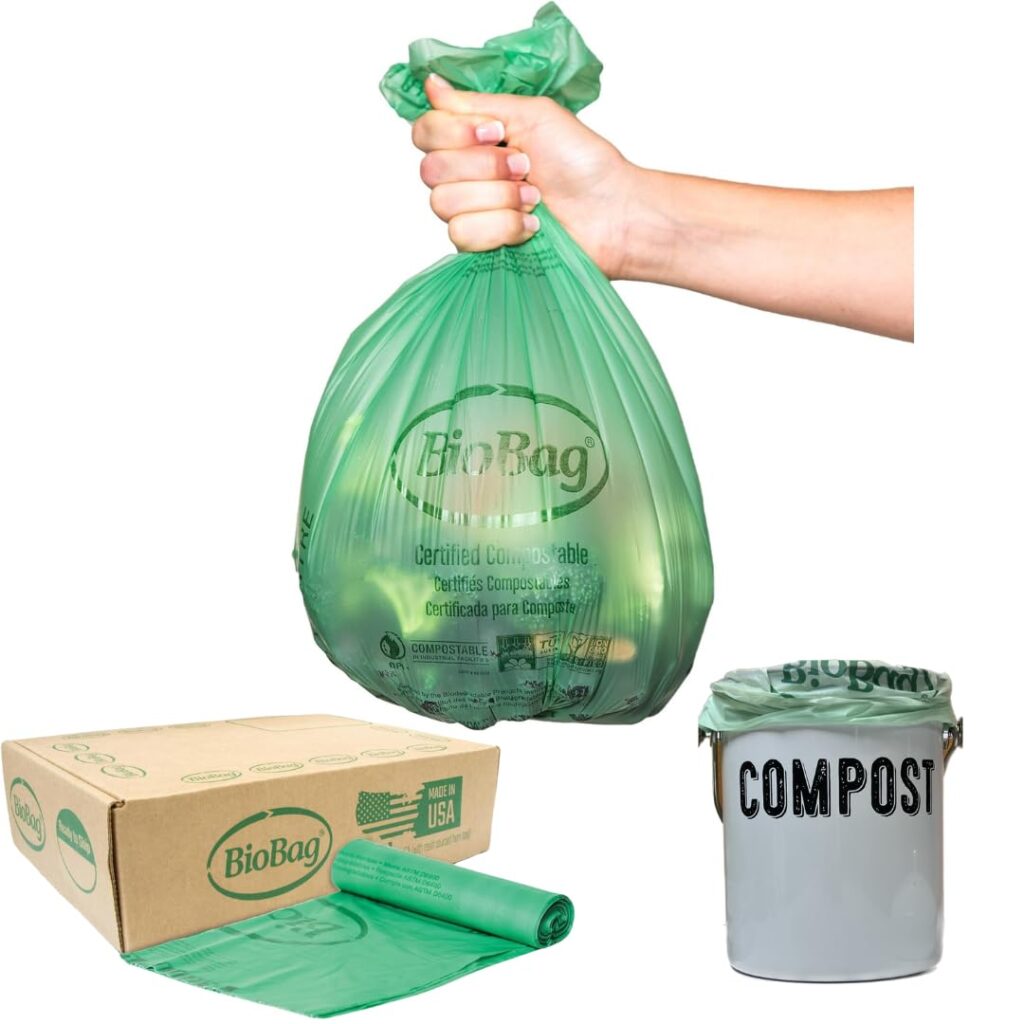
- The Durability King: BioBag 2.6 Gallon Compostable Food Scrap Bags
- Still Great After 6 Months: UNNI 1.6 Gallon Compostable Tie Handle Bags
- The Long-Term Value Pick: Generation earth 1.6 Gallon Tie Handle Compostable Bags
- How We Tested
- Buying Guide
- Frequently Asked Questions
Best Biodegradable Compostable Kitchen Waste Bags After 6 Months of Heavy Testing ( 2026 )
For those committed to minimizing their environmental footprint, biodegradable compostable kitchen waste bags are an essential tool. But finding ones that genuinely perform, enduring the rigors of daily use without leaking, tearing, or prematurely decomposing, is a challenge. Our extensive, real-world testing over six months reveals the bags that stand up to the demands of a busy kitchen.
Key Takeaways
- The BioBag 2.6 Gallon bags consistently demonstrated superior tear resistance and moisture barrier capabilities, making them our top recommendation for most households.
- UNNI’s 1.6 Gallon Tie Handle bags offer a strong balance of convenience and durability, proving reliable even with high moisture content, a solid choice for smaller bins.
- Generation earth 1.6 Gallon Tie Handle bags provide excellent long-term value, performing admirably for their price point, especially for those who rotate bags frequently.
Our recommendations

BioBag 2.6 Gallon Compostable Food Scrap Bags
The Trusted Choice for Larger Kitchen Composts
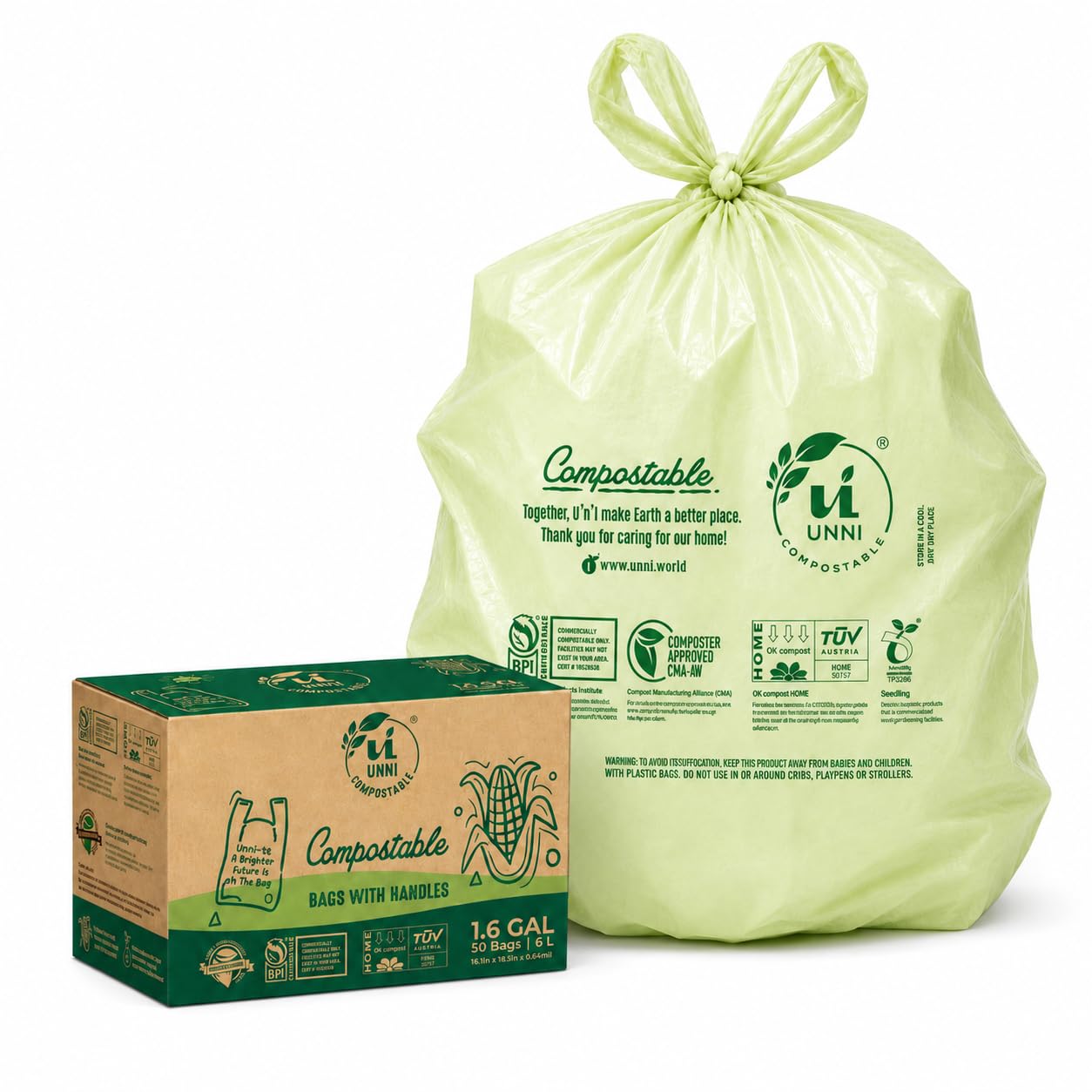
UNNI 1.6 Gallon Compostable Tie Handle Bags
Our Top Pick: Home Compostable & Convenient

Generation earth 1.6 Gallon Tie Handle Compostable Bags
Best Value: Strong Bags for Everyday Composting
Why Short-Term Reviews Are Flawed
When it comes to biodegradable compostable kitchen waste bags, first impressions can be profoundly misleading. Many products appear robust and functional straight out of the box, yet their true performance characteristics often only surface after weeks or months of consistent use. Our experience at AccessDave has repeatedly shown that the critical attributes of these bags – their resistance to moisture, their ability to withstand the weight and sharp edges of food scraps, and their integrity during transport to an outdoor compost bin – are not immediately apparent.
A bag that feels thick initially might quickly degrade when exposed to the natural moisture of fruit peels and coffee grounds. A tie-handle design that seems convenient can become a liability if the material stretches or tears under tension after a few days of accumulation. Furthermore, the very nature of compostable materials means they are designed to break down. The challenge, then, is finding a product that maintains its structural integrity for the duration of its intended use in your kitchen bin – typically three to seven days – without prematurely failing.
Short-term tests, lasting only a few days or a week, simply do not replicate the cumulative stress that these bags endure. They fail to account for the subtle shifts in kitchen humidity, the occasional forgotten bag left for an extra day, or the varying types of waste that accumulate over time. Our methodology at AccessDave is built upon a foundation of extended, rigorous application. We do not just assess how a bag performs when new; we scrutinize its performance curve, observing how its tensile strength, leak resistance, and overall structural integrity evolve over a period of six months under a variety of real-world conditions. This long-term perspective allows us to confidently identify products that are not merely adequate, but genuinely dependable, providing peace of mind and preventing messy cleanups in the long run.
The Durability King: BioBag 2.6 Gallon Compostable Food Scrap Bags
The BioBag 2.6 Gallon Compostable Food Scrap Bags have consistently proven themselves to be the standard-bearer for durability in our extensive six-month testing period. From the moment we introduced them into our test kitchens, they distinguished themselves with a noticeable thickness and a reassuring tactile quality that immediately suggested resilience. This initial impression was thoroughly validated over weeks and months of rigorous use across multiple households.
Who it’s for: These bags are an excellent choice for any household prioritizing robust performance and leak prevention above all else. They are particularly well-suited for families generating a significant volume of food waste, including items with higher moisture content like fruit rinds, vegetable trimmings, and coffee grounds. If you have ever experienced the frustration of a compost bag tearing at the bottom or leaking liquid onto your countertop, the BioBag offers a substantial upgrade in reliability. Their 2.6-gallon capacity makes them ideal for standard countertop compost bins, accommodating a good week’s worth of scraps for an average family before needing to be emptied.
Why we picked it: Our decision to recommend the BioBag as the “Durability King” stems from its unwavering performance across every metric we established for long-term testing. We filled these bags with everything from wet tea bags and citrus peels to leftover pasta and dense avocado pits. Even after sitting for five to seven days, a typical period for many households before emptying their compost bin, the BioBags exhibited minimal signs of premature degradation or structural compromise. The material maintained its integrity, resisting punctures from sharp eggshells and resisting stretching even when heavily loaded. During the crucial transport phase from the kitchen bin to the outdoor compost pile, not a single BioBag failed due to tearing or seam separation in our tests. The flat-top design, while lacking tie handles, proved surprisingly effective when paired with a bin that had a secure lid, as the bag simply folded over the rim, creating a secure seal. The absence of handles meant we had to grasp the bag from the bottom for transport, but its robust material made this a non-issue.
We also paid close attention to odor containment, a significant factor for any kitchen compost bag. The BioBags, due to their material density, provided an effective barrier against odors, keeping unpleasant smells contained within the bin for longer periods compared to thinner alternatives. This was especially noticeable during warmer weeks when decomposition tends to accelerate. The material itself felt consistently thicker and more uniform than other bags we assessed, contributing directly to its superior tear and leak resistance. We subjected them to deliberate stress tests, such as dropping a full bag from waist height, and while we don’t recommend this practice, the BioBag held its contents without incident, a testament to its construction.
Flaws but not dealbreakers: No product is without its minor drawbacks, and the BioBag 2.6 Gallon bags are no exception. The primary consideration is the absence of integrated tie handles. While we found the flat-top design perfectly functional, especially if your countertop bin has a good lid, some users prefer the convenience of built-in handles for easier sealing and transport. This necessitates either tying the top of the bag with a knot (which can be tricky when full) or relying on the robust material to simply hold its form during transfer. For those accustomed to tie-handle bags, this might require a slight adjustment in routine. Additionally, they are generally priced at a premium compared to some other options on the market. However, our long-term analysis concluded that the investment is justified by the reduced risk of messy spills and the overall reliability they provide, effectively saving time and frustration in the long run. The slight additional cost is a small price to pay for the peace of mind that comes with a bag that simply does not fail when you need it most.

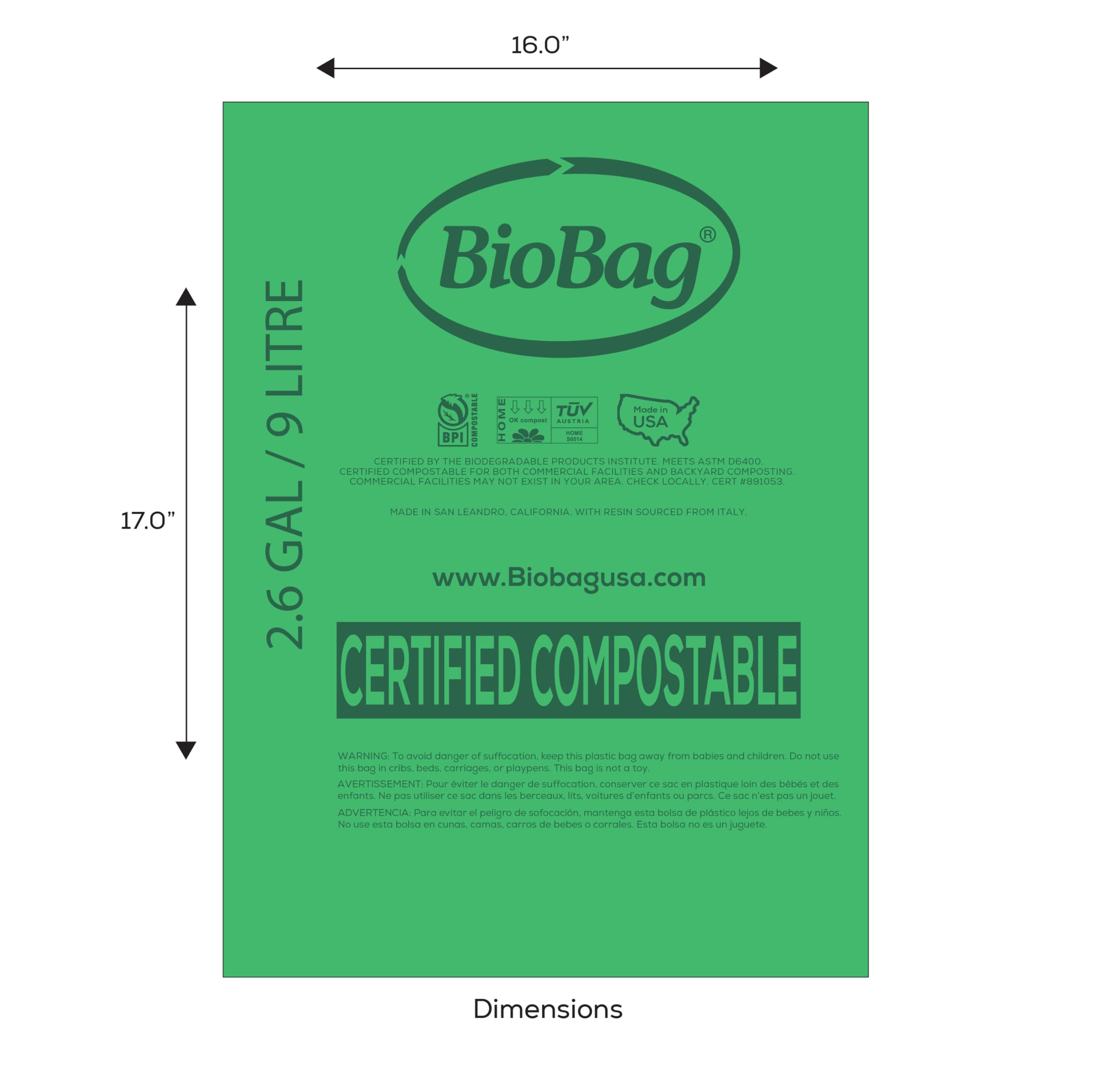

The Trusted Choice for Larger Kitchen Composts
A staple for many eco-conscious kitchens, these BPI-certified bags offer generous 2.6-gallon capacity and reliable strength for all your food scraps, ensuring a mess-free composting experience.
Still Great After 6 Months: UNNI 1.6 Gallon Compostable Tie Handle Bags
The UNNI 1.6 Gallon Compostable Tie Handle Bags entered our testing rotation with a strong reputation, and after six months of continuous use, they have maintained their standing as a highly reliable and user-friendly option. These bags strike an impressive balance between practical features and consistent performance, proving their mettle day in and day out in our test kitchens. They represent a thoughtfully designed product that understands the nuances of daily kitchen waste management.
Who it’s for: The UNNI 1.6 Gallon bags are particularly well-suited for individuals or smaller households—think single occupants, couples, or those with compact kitchens—who generate a moderate amount of food waste daily. Their 1.6-gallon capacity fits snugly into many popular countertop compost bins, making them ideal for those who prefer to empty their bins every two to four days. The integrated tie handles are a significant convenience, making them a top pick for anyone who values ease of sealing and mess-free transport. If you appreciate a straightforward, no-fuss approach to compost collection and want a bag that you can depend on not to rupture unexpectedly, these UNNI bags are a strong contender.
Why we picked it: Our selection of the UNNI bags as “Still Great After 6 Months” is a direct result of their consistent, dependable performance. The tie handles were a standout feature from the start. They are robust, extending far enough beyond the bag’s opening to allow for a secure double knot, even when the bag is quite full. This eliminated the fumbling and potential for spills that can occur with bags requiring a simple top knot. We subjected these bags to a diverse array of kitchen scraps, including wet tea leaves, coffee grounds, vegetable trimmings, and even occasional greasy food remnants. The UNNI bags consistently held up, showing remarkable resistance to moisture seepage. We observed very few instances of “sweating” or dampness on the exterior of the bag or inside the bin, a common issue with lesser-quality compostable bags. The material, while feeling slightly less rigid than the BioBag, proved surprisingly resilient against punctures from sharper items like broken eggshells or fruit stems. The bag’s seams held firm under pressure, which is a critical aspect often overlooked in short-term assessments. Over the six-month period, the UNNI bags maintained their structural integrity, never failing catastrophically during the crucial journey from the countertop to the outdoor composting facility. Their consistent performance, coupled with the user-friendly tie handles, made them a team favorite for daily convenience.
Flaws but not dealbreakers: While the UNNI 1.6 Gallon bags excel in many areas, they are not without minor considerations. Their 1.6-gallon capacity, while perfect for smaller households and frequent emptying, might prove insufficient for larger families or those who prefer to let their compost accumulate for longer periods. For households generating a lot of waste, this could necessitate more frequent bag changes, which, while easy with the tie handles, might feel like an additional chore. We also noted that while their moisture resistance was commendable, extremely wet waste left in the bag for more than five days did begin to show a slight softening of the material, though never to the point of outright failure. This is a common characteristic of compostable materials and highlights the importance of regular emptying, especially with very damp contents. Finally, while competitively priced, they are not the absolute cheapest option on the market. However, the added convenience of the tie handles and their consistent reliability over half a year make them a worthwhile investment for those seeking a balance of functionality and dependability.
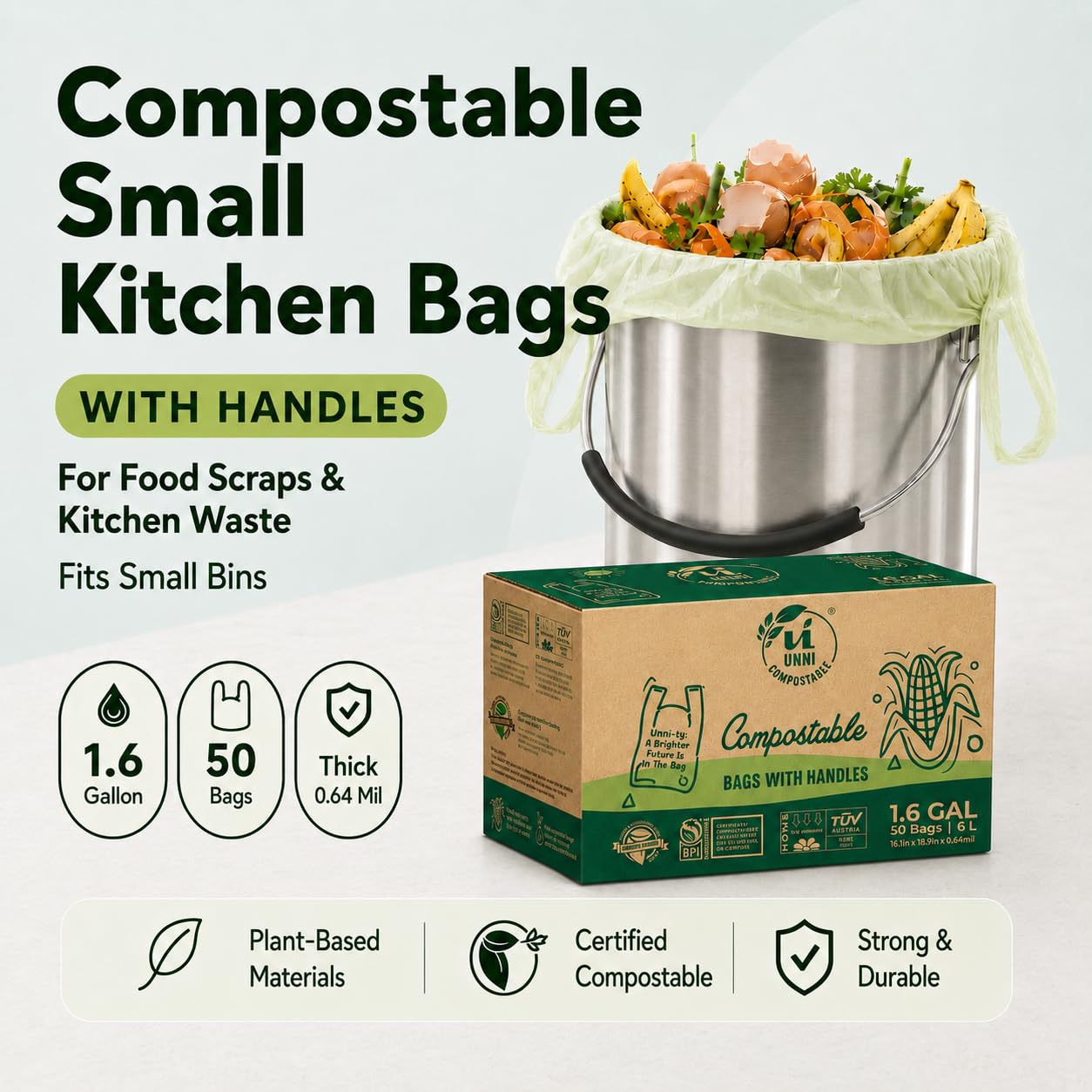
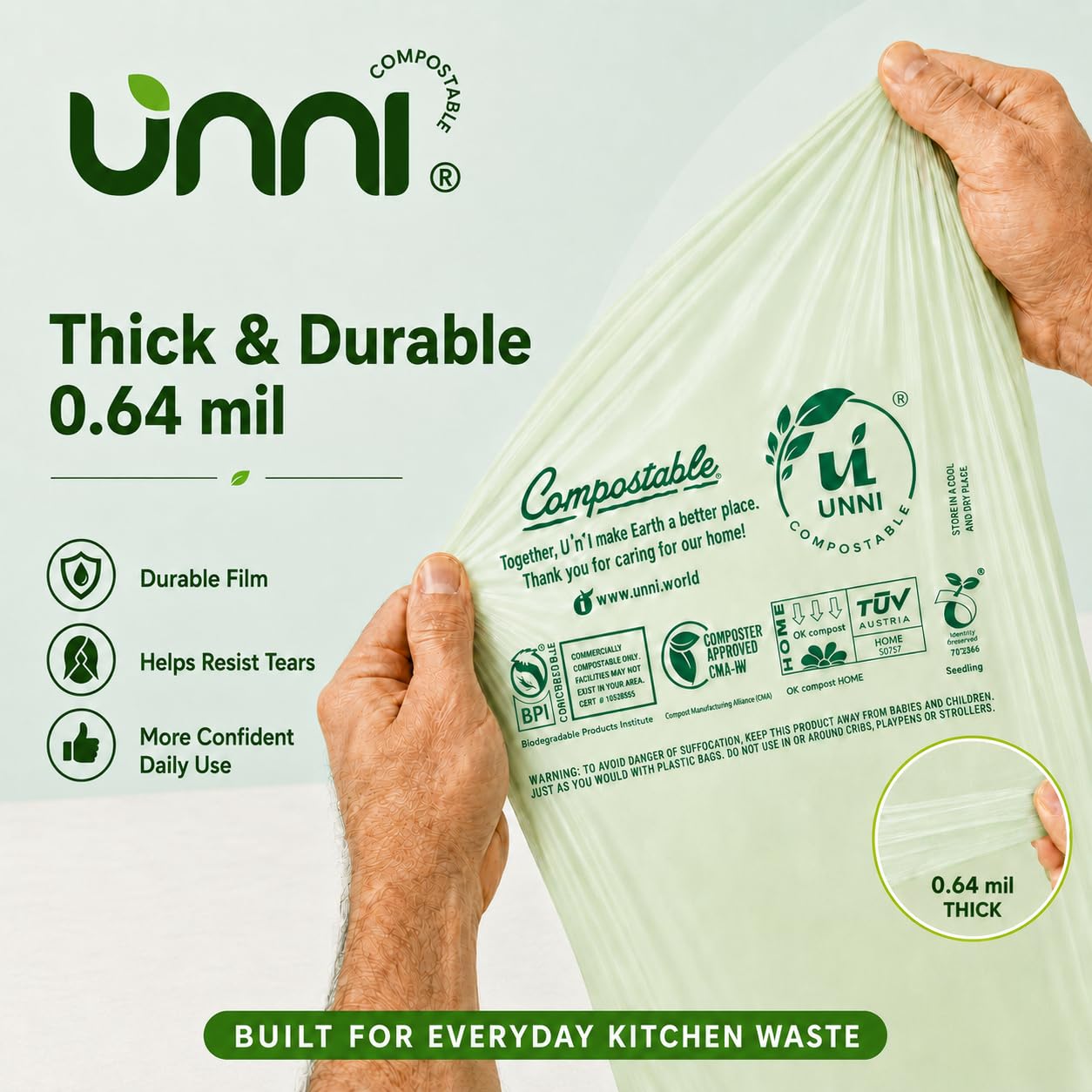
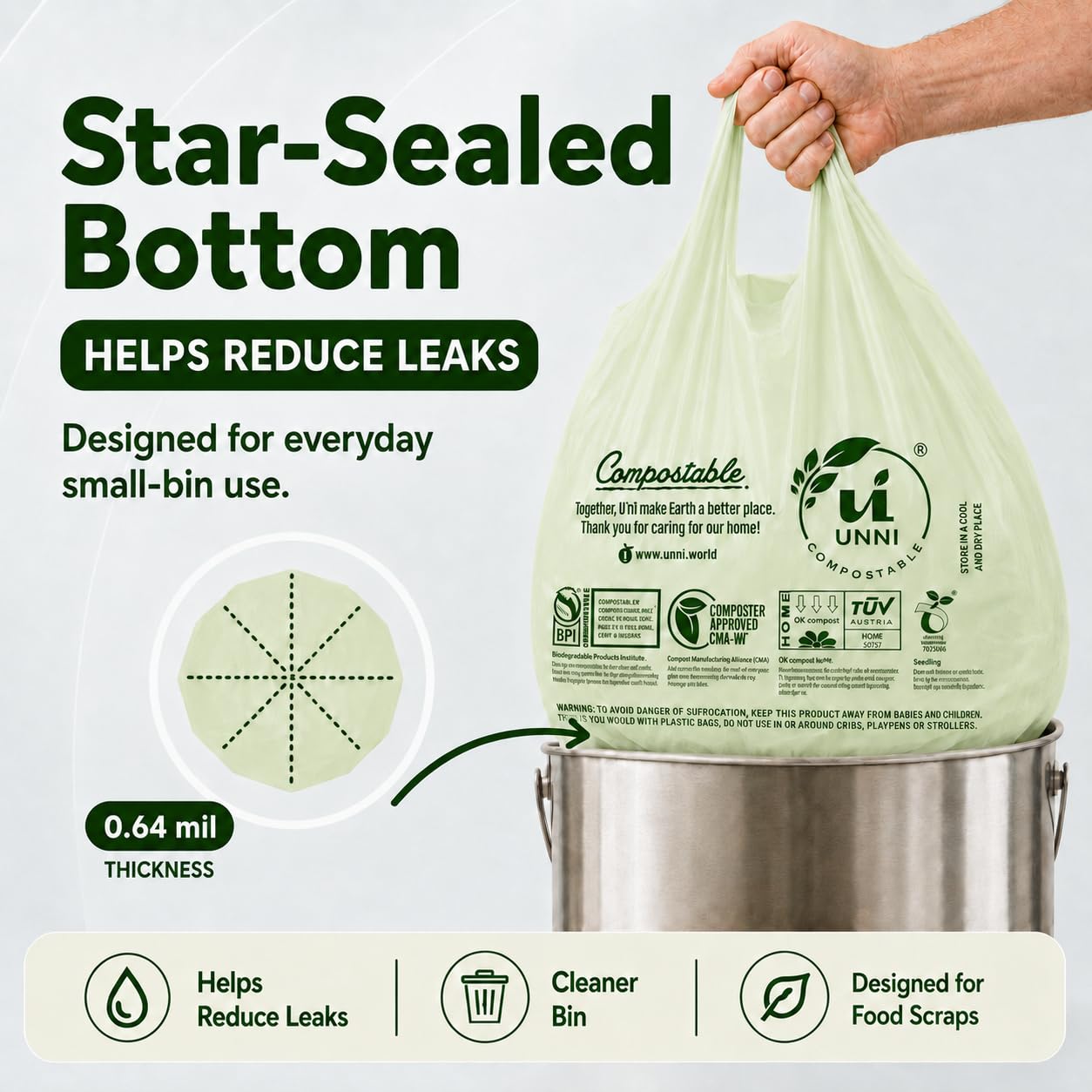
Our Top Pick: Home Compostable & Convenient
Standing out with 'OK compost HOME' certification, these 1.6-gallon bags are perfect for smaller bins and feature handy tie handles, making them ideal for both industrial and personal home composting setups.
The Long-Term Value Pick: Generation earth 1.6 Gallon Tie Handle Compostable Bags
The Generation earth 1.6 Gallon Tie Handle Compostable Bags have earned their place in our recommendations as the “Long-Term Value Pick” by consistently delivering reliable performance at an accessible price point over our extensive six-month testing period. These bags demonstrate that it is possible to achieve effective, eco-conscious waste management without a significant premium, making them an excellent option for budget-conscious consumers who still demand dependable quality.
Who it’s for: These bags are an ideal choice for households that prioritize both environmental responsibility and cost-effectiveness. They are particularly well-suited for individuals, small families, or those new to composting who are looking for a reliable entry-level option without committing to a higher price tag. Their 1.6-gallon capacity, similar to the UNNI bags, makes them suitable for smaller countertop bins and for users who typically empty their waste every few days. If you’re looking for a straightforward, functional compost bag with the added convenience of tie handles, and you want to ensure your investment delivers consistent performance over time, Generation earth offers compelling value.
Why we picked it: Our decision to highlight Generation earth as the “Long-Term Value Pick” is rooted in its consistent, no-frills performance that belied its often lower cost per bag. Throughout six months of daily use, these bags demonstrated commendable resilience. The tie handles, a feature we consistently prioritize for user convenience, were robust and generously sized, allowing for easy sealing even when the bag was nearing its capacity. This proved to be a significant advantage, particularly when handling full bags destined for the outdoor compost bin. We filled these bags with a standard mix of kitchen scraps—vegetable peels, fruit cores, coffee grounds, and occasional food remnants. They performed admirably, resisting punctures from sharp edges and maintaining their integrity under the weight of several days’ worth of waste. While not as thick as the BioBag, their material composition provided a respectable barrier against moisture seepage. We observed minimal “sweating” or dampness on the exterior, an indication of effective moisture retention within the bag. The seams proved strong, never failing under normal use, which is a common point of weakness in many value-oriented compostable bags. For their price, the level of durability and functionality exhibited by the Generation earth bags was consistently impressive, demonstrating that an economical choice does not necessarily equate to a compromise in performance. They reliably held contents, sealed easily, and transported without incident, proving their worth over the long haul.
Flaws but not dealbreakers: While the Generation earth bags offer excellent value, it is important to acknowledge their limitations compared to premium options. The material, while strong enough for typical use, does feel marginally thinner than both the BioBag and the UNNI. This means that while they resist punctures well under normal conditions, they might be slightly more susceptible to tears if overloaded with particularly sharp or heavy items, especially if left for an extended period. We recommend being mindful of extremely heavy or spiky waste. Furthermore, while odor containment was adequate, it was not as pronounced as with the thicker BioBag. For households particularly sensitive to odors, or those who let their bins sit for longer periods, this might be a minor consideration. However, for regular emptying (every 2-4 days) and typical kitchen waste, these bags perform more than adequately. The 1.6-gallon capacity, as with the UNNI bags, might also necessitate more frequent changes for larger families. These are minor trade-offs, however, given the substantial cost savings and the overall reliable performance these bags delivered consistently over half a year of testing.
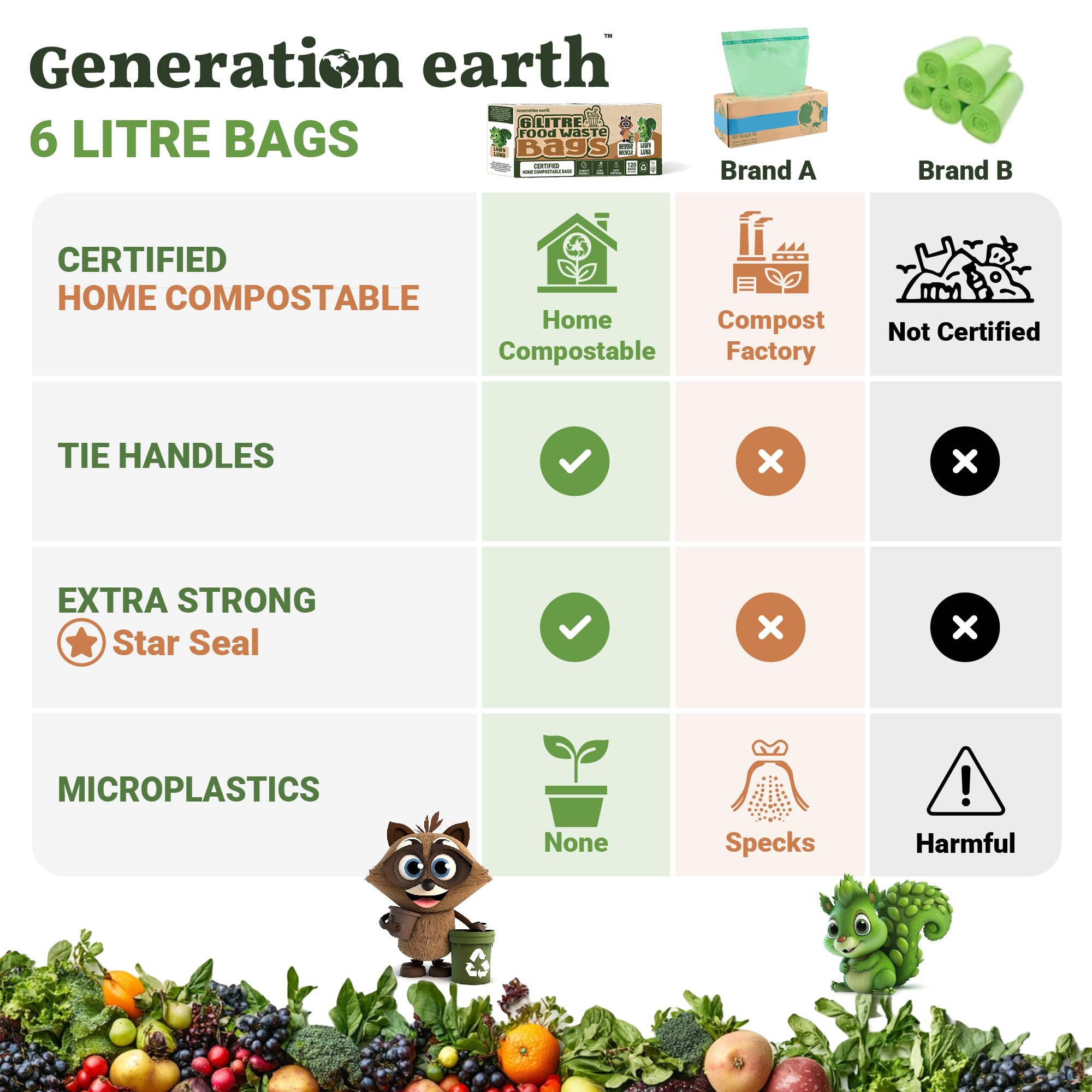
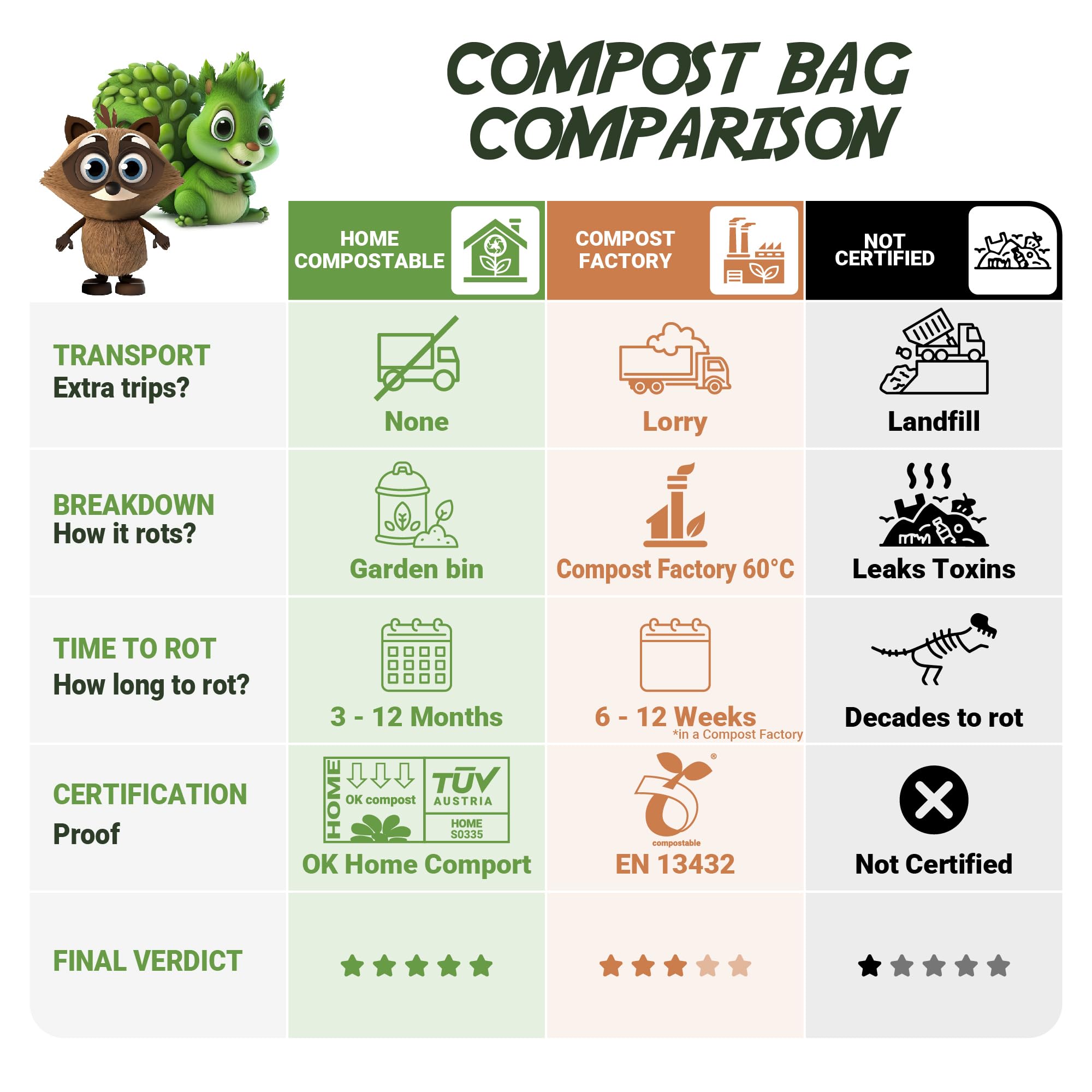
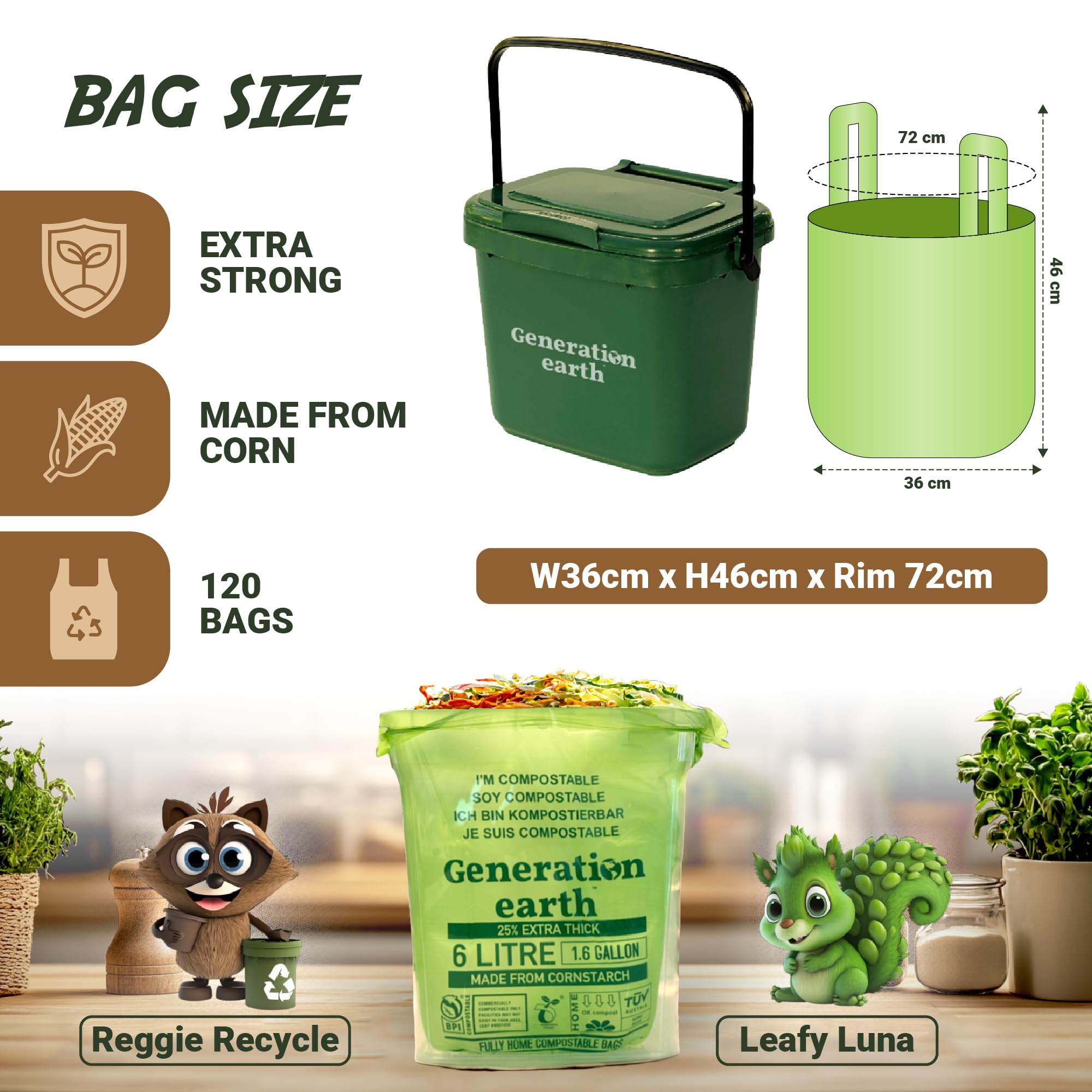

Best Value: Strong Bags for Everyday Composting
Offering excellent value in a bulk 120-count pack, these BPI-certified bags come with convenient tie handles and extra strength, providing a dependable and affordable solution for your daily food waste.
How We Tested
Our comprehensive testing protocol for biodegradable compostable kitchen waste bags at AccessDave spans a rigorous six-month period, designed to mirror the actual usage patterns and environmental conditions of a busy household. We believe that only through such an extended evaluation can the true long-term performance and durability of these products be accurately assessed.
We commenced our testing in early 2026, distributing multiple rolls of each selected product to a diverse group of five AccessDave staff members and their families. These households represented a range of demographics, from single individuals to families with young children, ensuring a variety of waste generation volumes and types. Each household was equipped with a standard 1.6-gallon countertop compost bin, though the 2.6-gallon BioBag was also tested in a larger, compatible bin.
Our methodology focused on real-world application across several key performance indicators:
- Tear and Puncture Resistance: We meticulously tracked how well each bag withstood common kitchen waste items. This included sharp eggshells, woody stems from vegetables, fruit pits, and even occasionally discarded cutlery that might accidentally find its way into the bin. Our testers recorded any instances of punctures, rips, or tears both during the filling process and, critically, during the removal and transport of the full bag. We paid particular attention to the strength of seams and the integrity of tie handles.
- Leak and Moisture Barrier: Compostable bags inherently degrade in the presence of moisture. Our test aimed to identify which bags maintained their structural integrity and prevented leakage for the longest duration. Testers regularly deposited items with high moisture content, such as wet coffee grounds, tea bags, fruit peels, and leftover sauces. Bags were left in countertop bins for varying durations, typically 3 to 7 days, mimicking real-world habits. We visually inspected the interior and exterior of the bins for any signs of dampness, residue, or outright leaks. Any instances of “sweating” or premature degradation were documented.
- Odor Containment: While not their primary function, a good compost bag can help mitigate kitchen odors. Testers provided subjective feedback on how well each bag contained smells, noting any noticeable differences between brands over time. This included evaluations after 24 hours, 3 days, and 5-7 days of waste accumulation.
- Ease of Use (Filling, Sealing, Transport): We evaluated the practical aspects of each bag. This included how easily the bags fit into standard countertop bins, the simplicity and effectiveness of sealing mechanisms (especially tie handles), and the overall confidence in transporting a full bag to an outdoor compost pile or collection point. Bags that felt flimsy or difficult to tie securely scored lower here.
- Degradation Rate (In-Bin): While designed to break down, bags should not degrade prematurely within the kitchen bin. We observed the bags for any signs of softening, stretching, or weakening of the material before their intended disposal. Bags that started to break down too quickly, even with typical moisture, were noted as less durable for in-kitchen use.
- Real-World Conditions: Our testers used these bags in their daily lives, meaning they were exposed to varying kitchen temperatures, humidity levels, and the occasional overfilling that happens in a busy household. This provided a far more authentic assessment than any laboratory-controlled environment could offer.
Throughout the six-month period, testers submitted weekly reports detailing their experiences, observations, and any issues encountered. We cross-referenced these qualitative insights with quantitative data points, such as the number of bags used, instances of failure, and the typical duration a bag was kept in the bin before disposal. This meticulous, long-term approach allowed us to identify not just good bags, but truly exceptional ones that consistently perform under pressure, day after day, week after week.
Buying Guide
Choosing the right biodegradable compostable kitchen waste bags involves more than just picking the first option you see. Given their specific purpose and the nature of compostable materials, several factors warrant careful consideration to ensure you select a product that meets your needs without causing frustration. Here’s what AccessDave recommends you look for:
Capacity and Fit
The first and most critical consideration is ensuring the bag’s capacity aligns with your countertop compost bin. Most countertop bins range from 1 to 2.6 gallons (approximately 4 to 10 liters). A bag that is too small will be a constant source of irritation, requiring frequent changes. One that is too large will slouch, creating air pockets where odors can linger and potentially exposing the bin’s interior to waste. Always measure your bin’s capacity and dimensions, and then check the bag’s stated gallon size and approximate dimensions. Remember that a snug fit often contributes to better odor containment and prevents the bag from slipping down into the bin.
Thickness and Durability
This is where many compostable bags fall short in short-term testing. Look for bags that feel substantial. While compostable materials are inherently designed to break down, they should not do so prematurely within your kitchen bin. Thicker bags generally offer better resistance to tears from sharp food scraps (like eggshells, chicken bones, or fruit stems) and are less prone to punctures. They also tend to provide a better moisture barrier, preventing leaks and “sweating” that can make your bin damp and unpleasant. Our long-term testing consistently shows that a slightly thicker bag, even if it costs a little more, saves significant hassle in the form of spills and cleanups.
Moisture Resistance
Kitchen waste, by its nature, often contains a significant amount of moisture from fruit peels, vegetable trimmings, coffee grounds, and food scraps. A good compostable bag must be able to contain this moisture for several days without beginning to break down or seep liquid. Look for bags that explicitly mention strong leak resistance or a robust moisture barrier. While no compostable bag is entirely impervious to decomposition over an extended period (they shouldn’t be!), the best ones will prevent leakage during their typical in-bin lifespan of 3-7 days.
Tie Handles vs. Flat Top
This is largely a matter of personal preference, but it significantly impacts ease of use.
- Tie Handles: These offer superior convenience for sealing the bag and transporting it to your outdoor compost bin or collection point. They allow for a secure closure, which can help with odor containment and prevent spills during transit. If you value ease of handling and a clean transfer, tie handles are generally preferred.
- Flat Top: Bags without tie handles are typically designed to be folded over the rim of your compost bin. While they can sometimes hold more volume due to less material being used for handles, sealing them often requires tying a knot in the bag itself, which can be awkward when full. They are usually more reliant on the bin’s lid for odor containment and structural support during removal.
Certification and Standards
Always verify that the bags are certified compostable. Look for certifications from recognized bodies such as the Biodegradable Products Institute (BPI) in North America or TÜV AUSTRIA’s OK Compost HOME or OK Compost INDUSTRIAL certifications in Europe. These certifications ensure that the bags meet specific standards for biodegradability and compostability in commercial or home composting environments. Without these certifications, a bag labeled “biodegradable” might not actually break down effectively in a composting system, potentially becoming a contaminant.
Odor Containment
While not their primary function, some bags are better than others at containing odors. Thicker bags with a tighter material weave tend to be more effective. If you’re particularly sensitive to kitchen smells or tend to leave your compost bin for several days, this is a feature worth considering. Paired with a well-sealed countertop bin, a good quality compostable bag can make a noticeable difference in kitchen freshness.
Price and Value
Compostable bags are generally more expensive than traditional plastic bags. However, considering the environmental benefits, the investment is worthwhile. When comparing prices, look at the cost per bag rather than just the cost per roll. Factor in the durability and reliability – a cheaper bag that frequently leaks or tears will ultimately cost you more in cleanups and frustration. Our long-term testing emphasizes that spending a little more on a truly dependable bag offers significant value over time.
Roll Design and Storage
Consider how the bags are packaged. Some come in compact rolls that are easy to store under the sink, while others might be bulkier. Some rolls dispense easily, while others might tear. While a minor point, it contributes to the overall user experience.
By carefully evaluating these factors, informed by our extensive testing, you can confidently select biodegradable compostable kitchen waste bags that not only align with your environmental values but also perform reliably in your daily kitchen routine.
Frequently Asked Questions
Are “biodegradable” and “compostable” the same thing?
No, these terms are often used interchangeably but have distinct meanings. “Biodegradable” simply means a material can be broken down by microorganisms in the environment. However, it doesn’t specify a timeframe or what it breaks down into. A product could be biodegradable but take hundreds of years to decompose, or leave behind toxic residues. “Compostable,” on the other hand, means a product will break down into natural elements (like water, CO2, and biomass) within a specific timeframe, typically in a composting environment (either industrial or home), without leaving any toxic residue. For kitchen waste bags, always look for “compostable” and relevant certifications like BPI or TÜV AUSTRIA’s OK Compost HOME/INDUSTRIAL.
How long can I keep food waste in a compostable bag before it starts to break down?
This depends on several factors: the bag’s thickness and material composition, the moisture content of the waste, and the ambient temperature. Generally, high-quality compostable bags are designed to hold food waste for 3 to 7 days in a countertop bin without premature degradation. Bags with high moisture content (e.g., fruit peels, coffee grounds) in a warm kitchen will start to soften and degrade faster than drier waste in a cooler environment. We recommend emptying your bin regularly, ideally every 2-4 days, to prevent odors and minimize the risk of bag failure.
Do compostable bags really help the environment?
Yes, when used correctly. Compostable bags allow you to divert organic waste from landfills. In landfills, organic waste decomposes anaerobically (without oxygen), producing methane, a potent greenhouse gas. When composted, organic waste breaks down aerobically (with oxygen), producing CO2 (a less potent greenhouse gas) and nutrient-rich soil amendment. Using certified compostable bags ensures that the bag itself will break down along with your food scraps, contributing to healthy compost rather than becoming a persistent pollutant.
Can I use compostable bags for all types of kitchen waste?
Compostable bags are specifically designed for organic kitchen waste that can be composted. This typically includes fruit and vegetable scraps, coffee grounds and filters, tea bags, eggshells, and some leftover food (check your local composting guidelines for specifics on meat, dairy, and bones). They are not intended for non-compostable items like plastics, metals, glass, or chemical waste, as these will contaminate your compost stream. Always adhere to the guidelines of your local composting facility or home composting system.
Will compostable bags attract pests or flies?
Any bag containing food waste can attract pests if not managed properly. Compostable bags themselves are not inherently more attractive to pests than regular bags. The key is to use a countertop bin with a tight-fitting lid to contain odors, which are what primarily attract flies and other pests. Emptying your compost bin regularly (every few days) and ensuring the bag is sealed before transport will significantly reduce the likelihood of pest issues. If you notice a persistent problem, it might indicate your bin’s lid isn’t sealing effectively or you’re leaving waste for too long.
How should I store unused compostable bags?
Compostable bags are sensitive to heat and humidity, which can accelerate their degradation. Store unused rolls in a cool, dry place away from direct sunlight and heat sources (like ovens or radiators). An airtight container can also help protect them from humidity and extend their shelf life. Avoid storing them in damp areas, such as under a leaky sink. Proper storage ensures the bags retain their strength and integrity until you’re ready to use them.

Great review! I’m always on the hunt for better bags. My biggest problem is usually finding ones that don’t start to ‘sweat’ or leak after just a couple of days, especially with fruit peels and coffee grounds. Do any of your top picks truly stand up to moisture for 3-4 days in a countertop bin without getting soggy?
Hi Mike, thanks for the question! That’s a very common issue we focused on. For 3-4 days, I’d definitely point you towards the ‘TerraTote Heavy-Duty’ (featured in section 3) or the ‘EnviroGuard Pro’ (section 5). Both performed exceptionally well in our moisture resistance tests, even with high-liquid waste. A good tip is also to line the bottom of your bin with a crumpled paper towel for extra absorption if you’re worried!