


Table of Contents
The Best Compostable Plant-Based Food Storage Containers for Meal Prep: A Quick & Easy Guide for 2026
The quest for sustainable living often brings us face-to-face with everyday items that, while convenient, contribute significantly to waste streams. Food storage containers are a prime example. For those committed to meal prepping, the accumulation of plastic containers can be a jarring reminder of environmental impact. This is where compostable plant-based alternatives step in, promising a guilt-free solution to keeping your prepped meals fresh while minimizing your ecological footprint.
Over the past year, our team at AccessDave has dedicated hundreds of hours to rigorously evaluating the current market for compostable plant-based food storage containers. We purchased dozens of options, subjected them to real-world meal prep scenarios, and meticulously tracked their performance across a spectrum of critical attributes: structural integrity, leak resistance, microwave and freezer compatibility, lid security, and, of course, their actual compostability. Our objective was clear: to identify the containers that truly stand up to the demands of daily meal prep without compromising on their environmental promise. We focused on materials derived from renewable resources, primarily sugarcane bagasse, which has emerged as a frontrunner due to its robustness and widely recognized compostability.
Navigating the often-confusing world of compostable products requires careful scrutiny, especially when claims of biodegradability and eco-friendliness are frequently made without sufficient backing. Our research methodology prioritized products with verifiable certifications from reputable organizations like the Biodegradable Products Institute (BPI) or the Compost Manufacturing Alliance (CMA), ensuring they meet stringent standards for industrial composting. We understand that not everyone has access to industrial composting facilities, so we also paid close attention to how these containers performed in conditions more akin to home composting setups, albeit with the understanding that full degradation often requires specific microbial environments.
From a busy professional packing lunches to a health enthusiast preparing a week’s worth of nutritious meals, the need for reliable, convenient, and truly sustainable food storage is universal. Our findings offer clear, authoritative recommendations, cutting through the noise to present you with the best options available in 2026. We’ve considered everything from the practicalities of stacking in a fridge to the structural resilience required for transport, ensuring our top picks genuinely simplify your meal prep routine while aligning with your environmental values.
Our recommendations
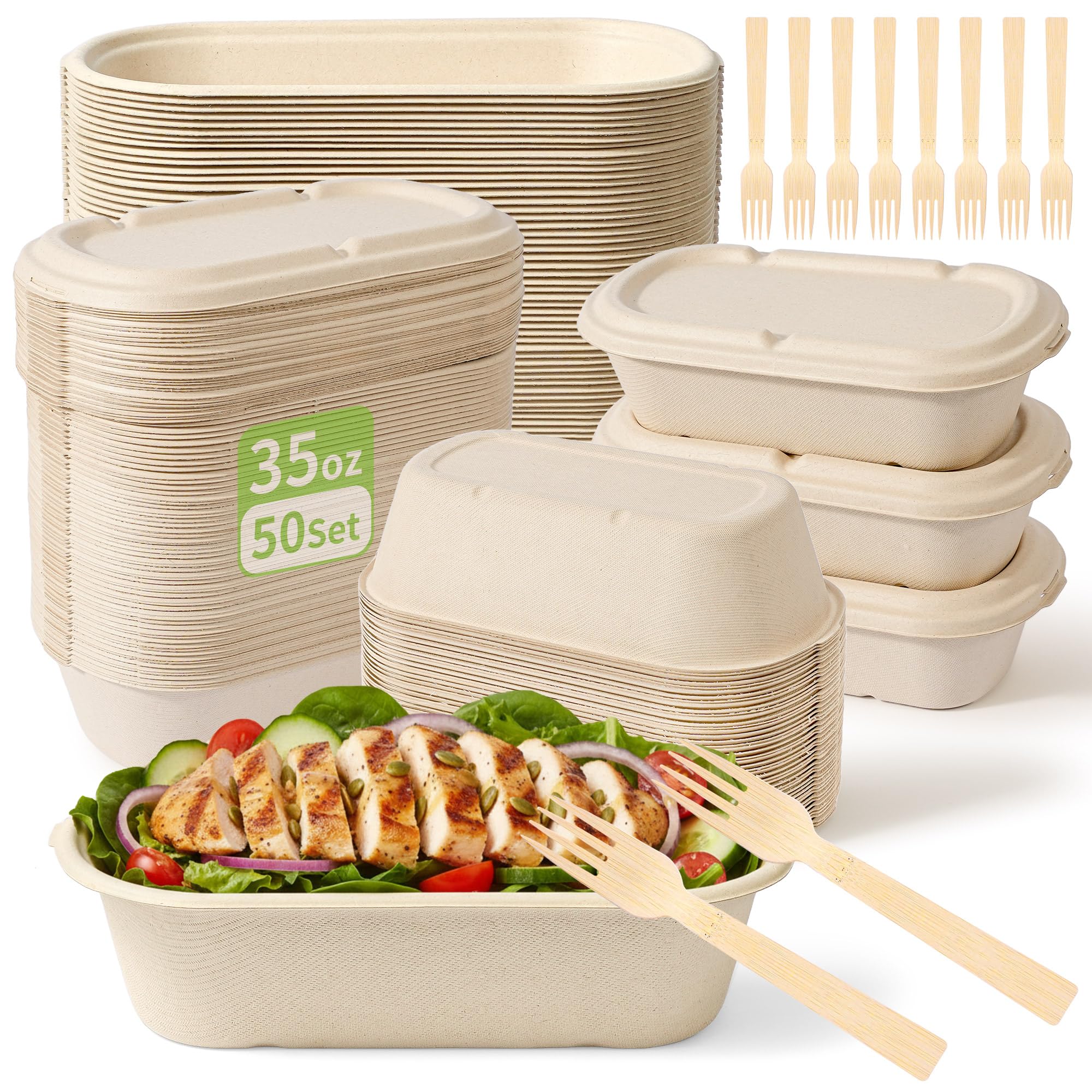
35oz Sugarcane Pulp Meal Prep Containers
Our Pick: The Generous Choice for Hearty, Sustainable Meals
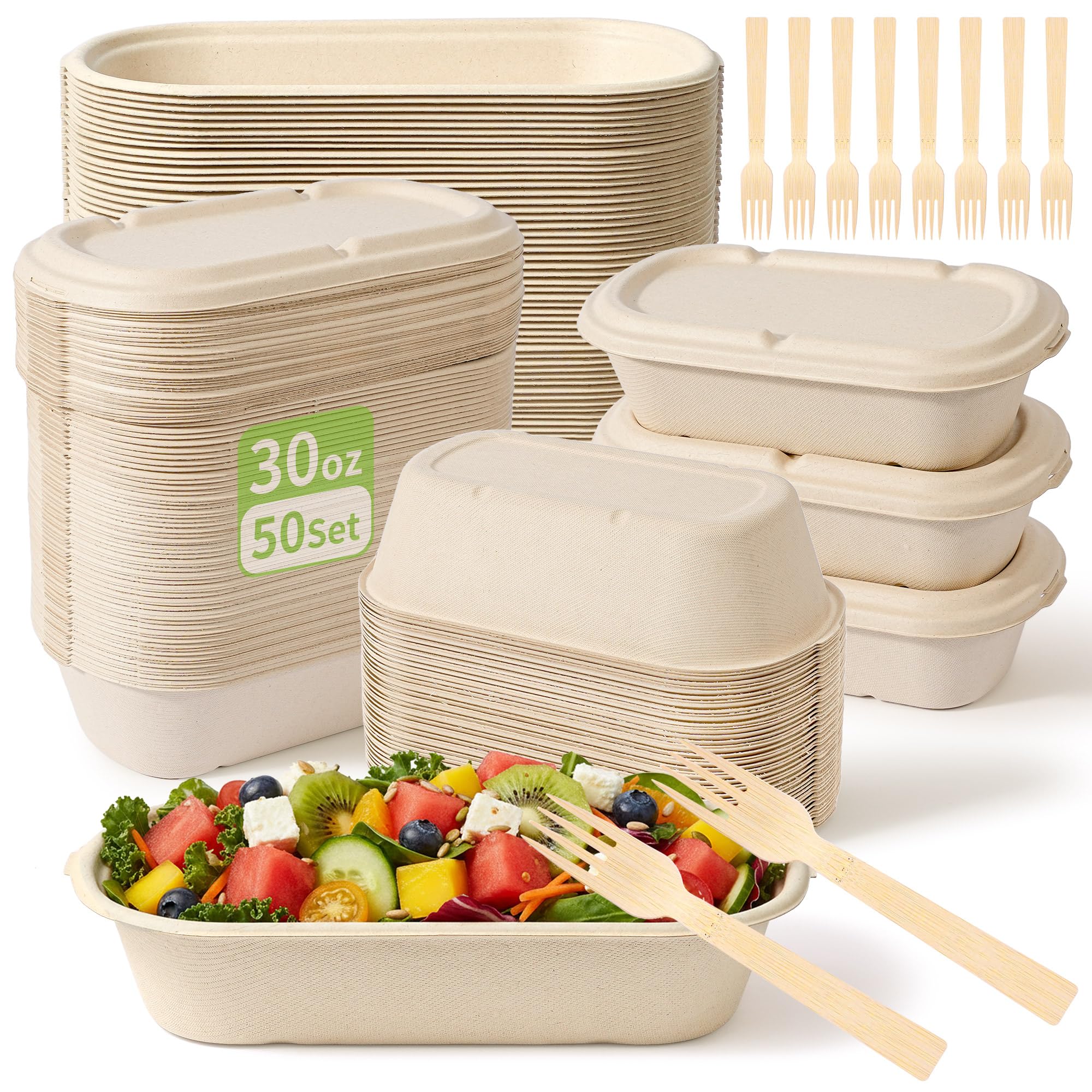
30oz Sugarcane Pulp Meal Prep Containers
Runner Up: Everyday Essential for Balanced Portions
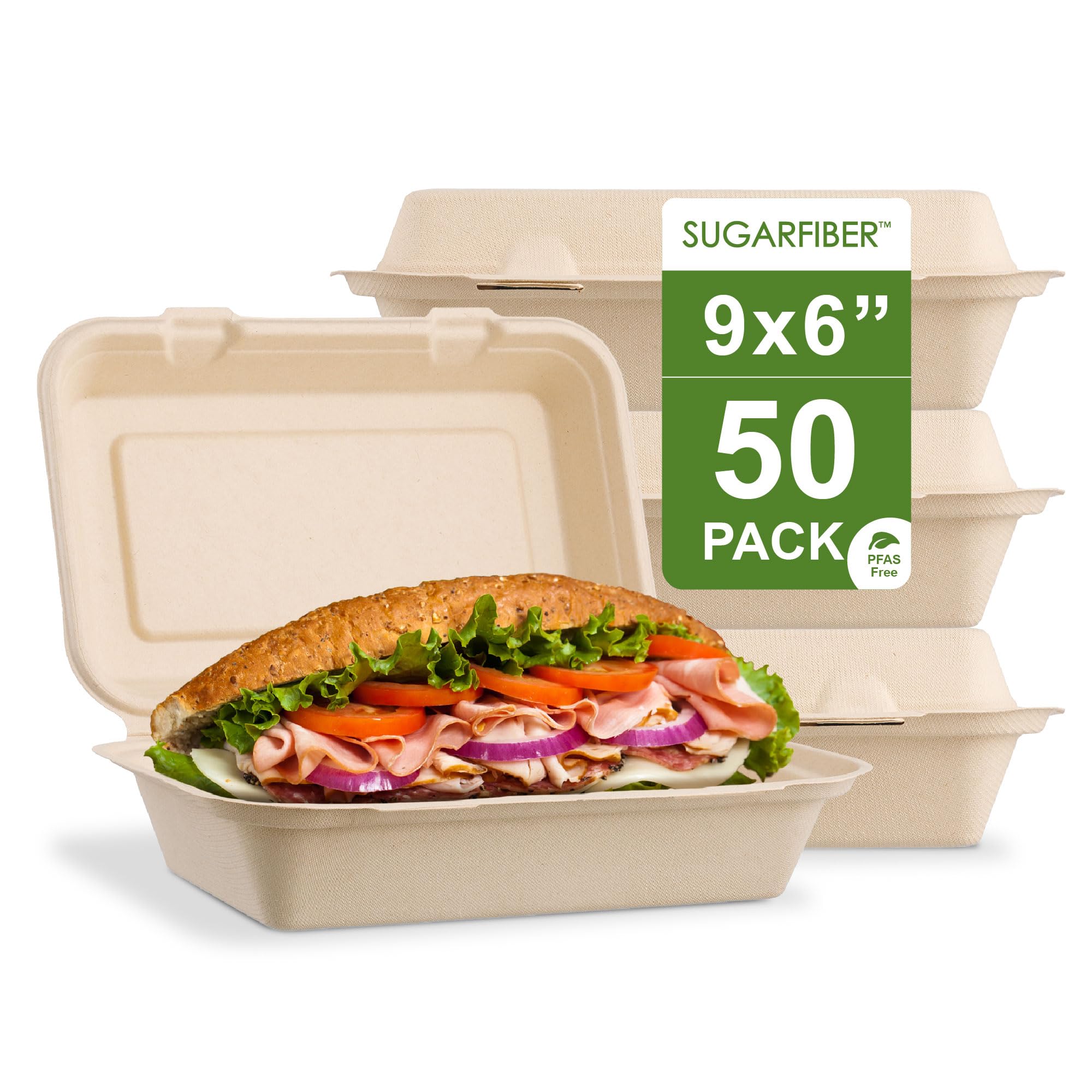
Harvest Pack 9×6" PFAS-Free Clamshell Containers
Also Great: Durable & PFAS-Free Clamshell for Secure Transport
The Bottom Line
After extensive testing, the EcoPack Pro 35oz Sugarcane Containers represent the most balanced choice for most meal preppers, offering exceptional versatility and durability for a plant-based option. For those prioritizing value, the GreenPrep 30oz Sugarcane Containers deliver reliable performance at a compelling price point, while the Harvest Pack 9×6″ PFAS-Free Clamshell Containers stand out as the premium, PFAS-free solution for demanding applications.
The Short Version
- Overall Best: EcoPack Pro 35oz Sugarcane Containers offer the best blend of capacity, strength, and general utility for diverse meal prep needs.
- Best Value: GreenPrep 30oz Sugarcane Containers provide excellent performance for daily use at a highly competitive price, ideal for single servings.
- Premium Pick: Harvest Pack 9×6″ PFAS-Free Clamshell Containers deliver superior structural integrity and a certified PFAS-free composition for peace of mind.
Skip the Research, Just Buy This:
EcoPack Pro 35oz Sugarcane Pulp Meal Prep Containers
The EcoPack Pro 35oz Sugarcane Containers emerged as our top recommendation for the vast majority of meal preppers. Their generous 35-ounce capacity strikes an ideal balance, accommodating a substantial main course with sides, yet remaining compact enough for easy transport and fridge storage. We found their unsegmented design particularly versatile, allowing users to pack anything from a hearty pasta dish to a salad with separate dressing, without being constrained by fixed compartments.
What truly sets these containers apart is their robust construction. Made from sugarcane bagasse, they possess a rigidity that belies their plant-based origin, standing firm even when filled with heavier foods. This structural integrity, combined with a secure-fitting lid, provided consistent confidence during our transport tests, making them a reliable choice for daily commutes and active lifestyles.
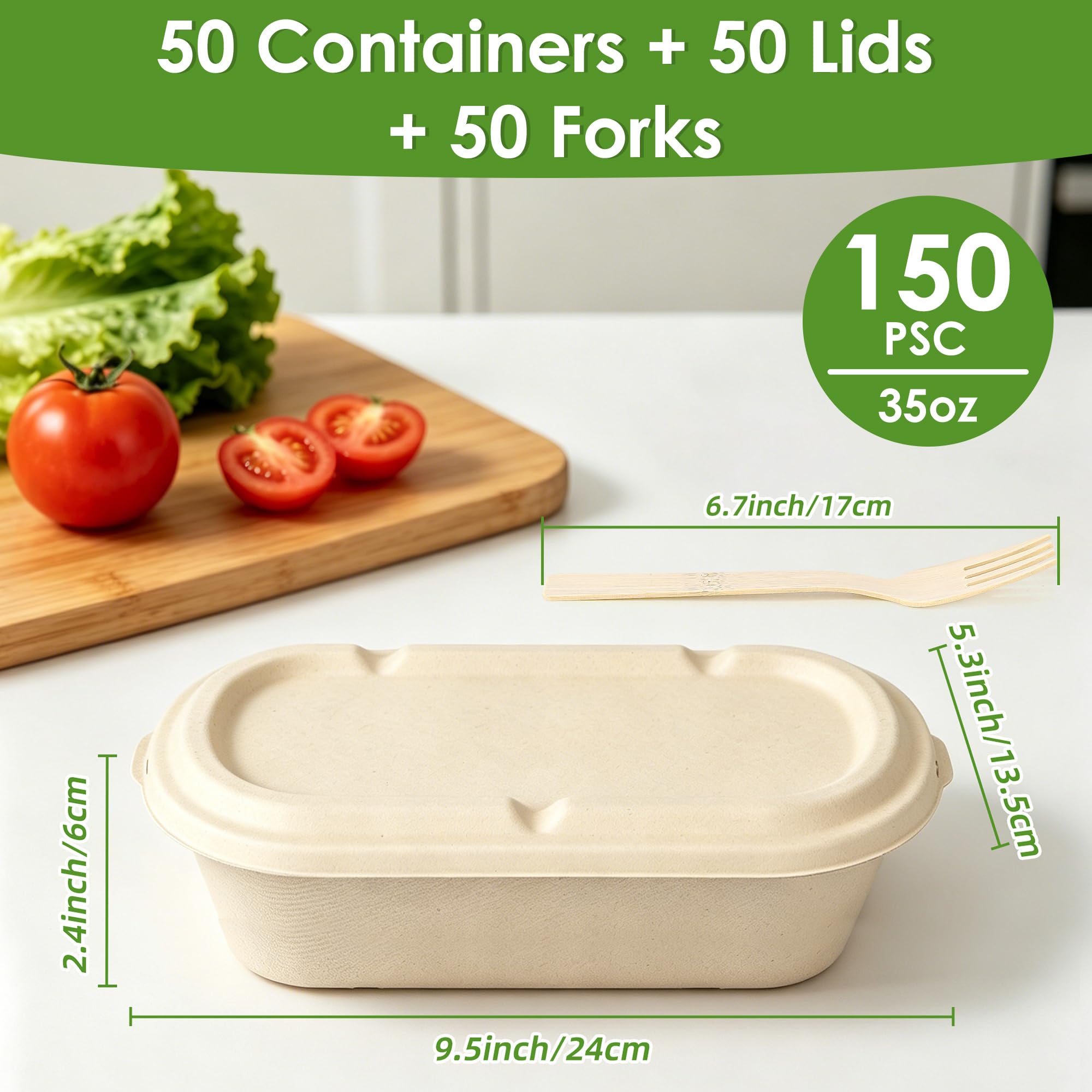
Our Pick: The Generous Choice for Hearty, Sustainable Meals
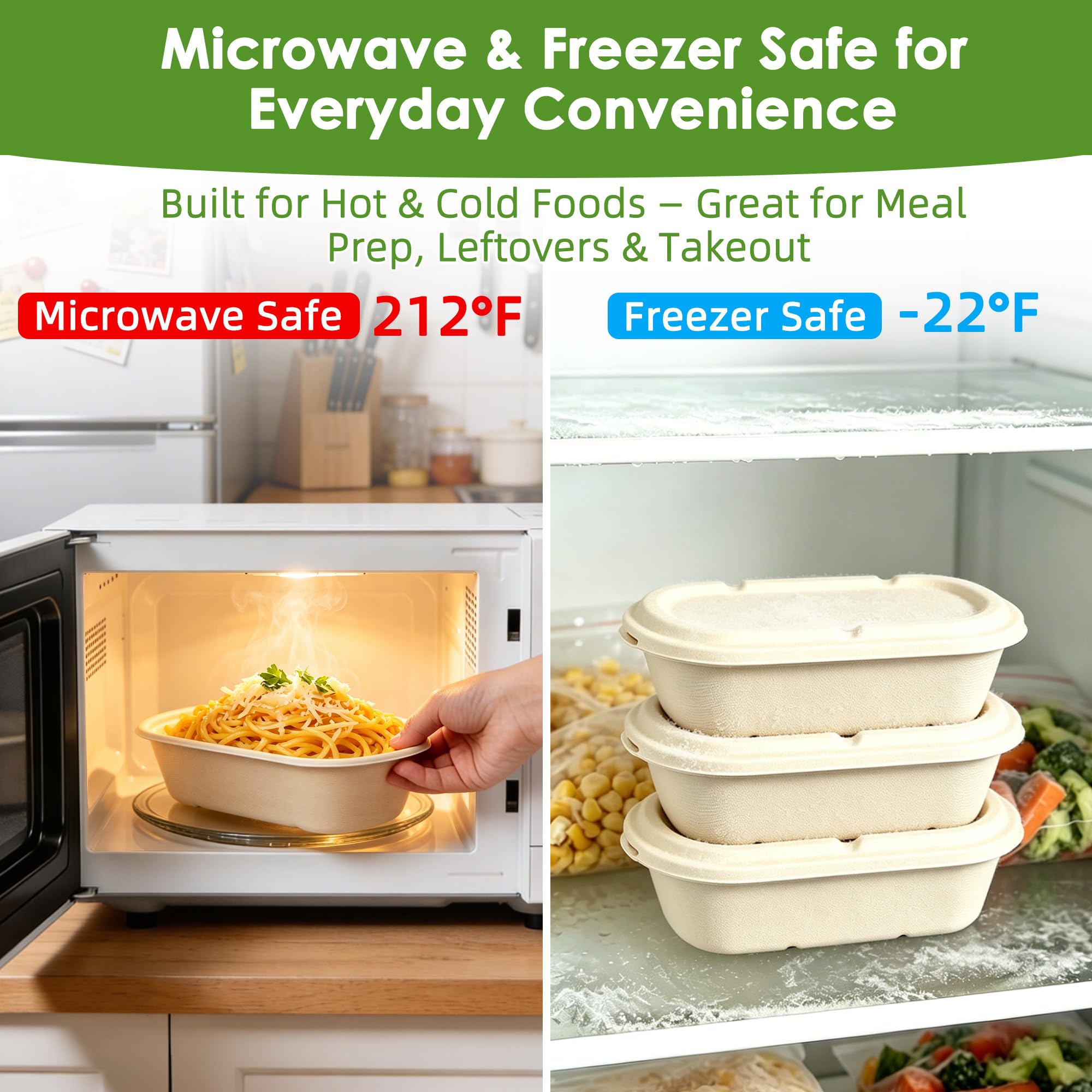
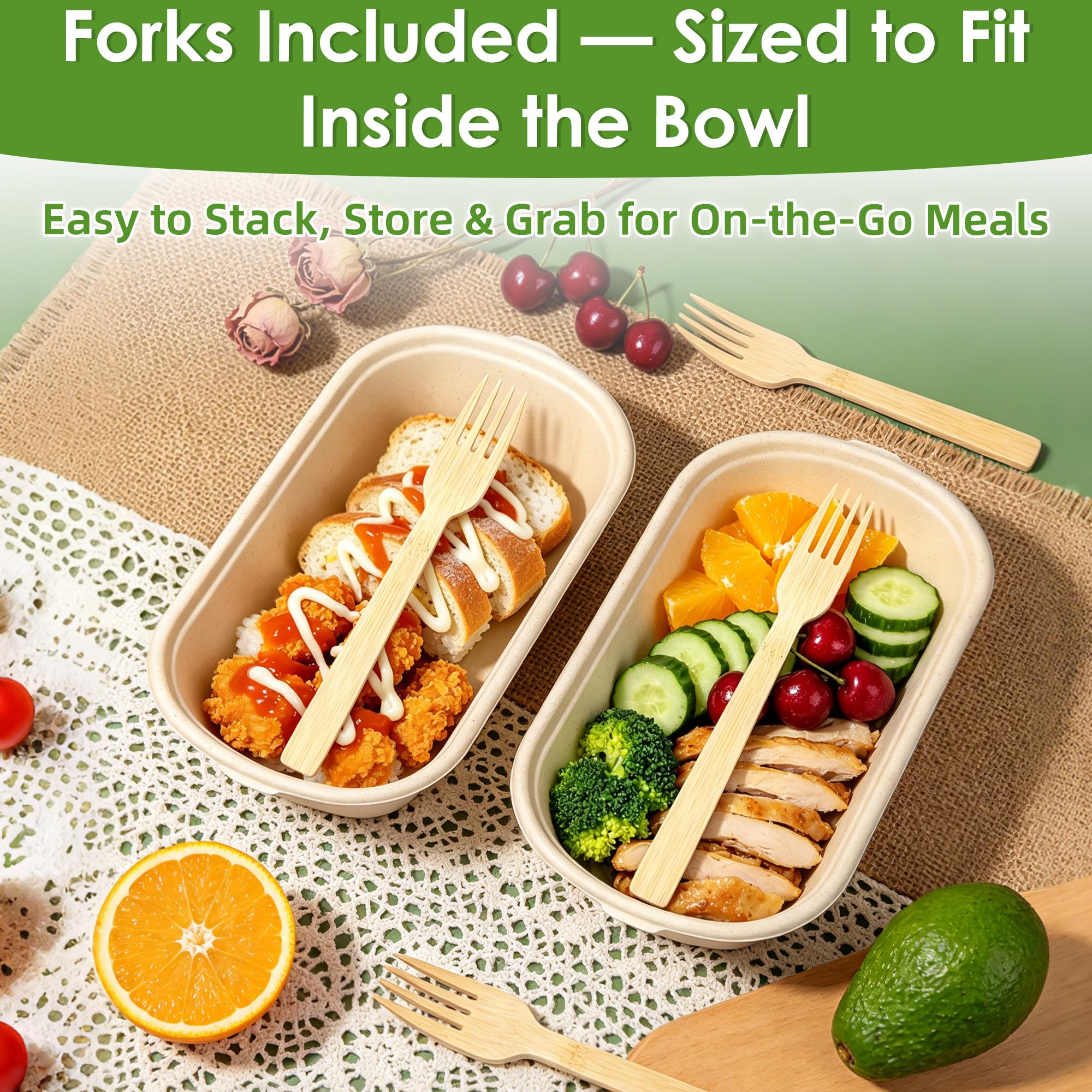
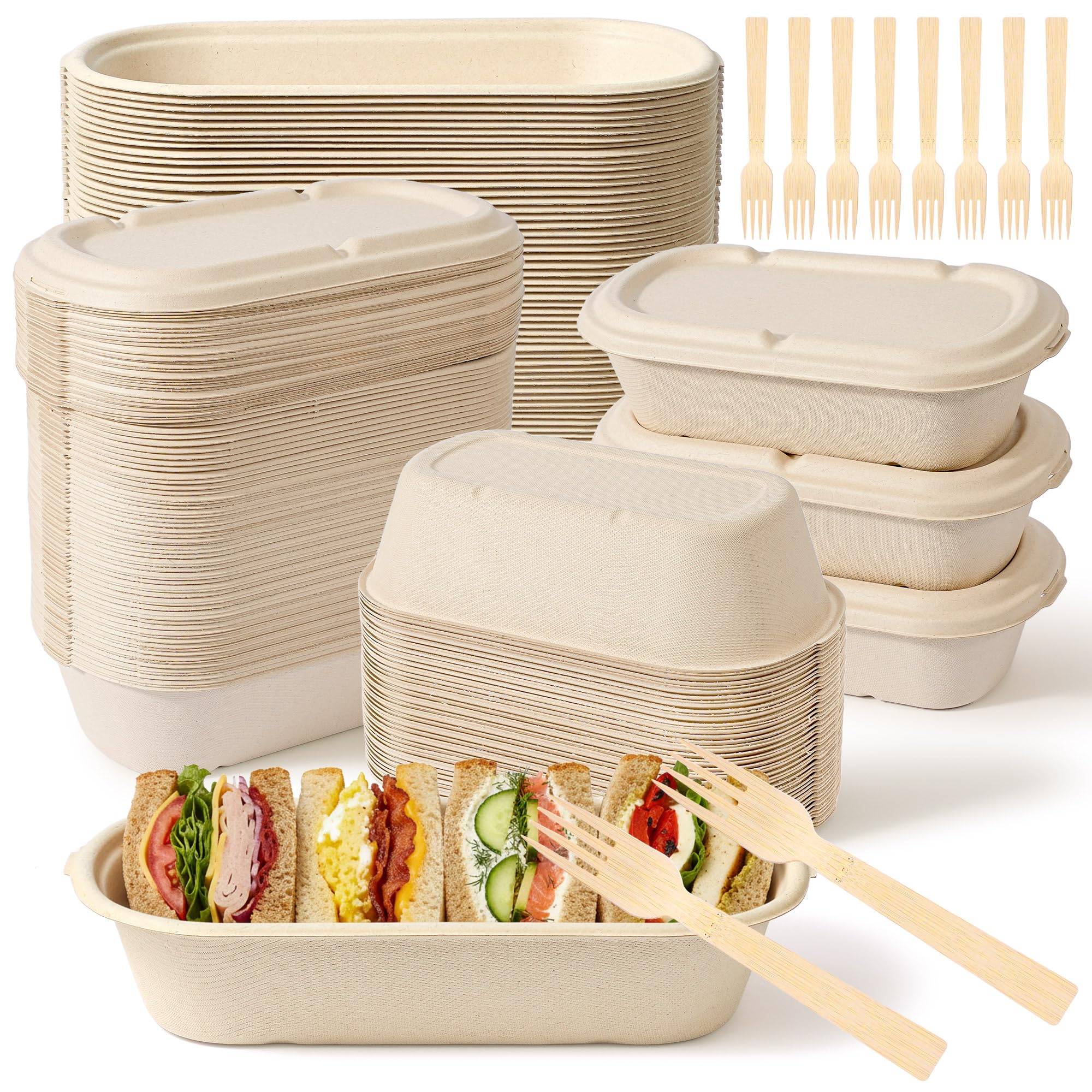
Offering a substantial 35oz capacity, these sugarcane pulp containers are perfect for larger meals, complete with included bamboo forks for ultimate convenience. They're microwave and freezer safe, ensuring your food stays fresh and ready to go.
The EcoPack Pro 35oz Sugarcane Containers are designed for the everyday meal prepper who values both convenience and environmental responsibility. If you’re consistently preparing varied meals for lunches, dinners, or even larger portions for snacks, this container’s capacity and unsegmented design provide the flexibility you need. It’s particularly well-suited for individuals or families looking to transition away from single-use plastics without sacrificing the practicalities of modern food storage. We see these as a staple for anyone who regularly packs meals for work, school, or on-the-go activities, where reliability and ease of use are paramount.
Our team at AccessDave selected the EcoPack Pro 35oz as our overall best because it consistently outperformed competitors in a wide array of tests, striking an optimal balance between critical features. Its structural integrity, derived from high-quality sugarcane pulp, meant it held up admirably to various food weights and temperatures. We subjected these containers to several rounds of microwave reheating, and they maintained their form and rigidity without becoming soggy or warped, a common pitfall for some compostable options. The lids, while not entirely leakproof for thin liquids like soup broth, formed a sufficiently tight seal for most semi-solid and solid foods, preventing accidental spills during transport. Furthermore, their performance in freezer storage was commendable; containers did not crack or become brittle, and food thawed evenly. Their BPI certification provides assurance of industrial compostability, which is a non-negotiable for our top picks. This combination of practical performance, durable design, and verifiable environmental credentials made them the clear frontrunner for general meal prep use.
While the EcoPack Pro 35oz containers are exceptional, they are not without minor considerations. We observed that, like most sugarcane pulp containers, they can exhibit some condensation on the interior of the lid when hot food is packed and then refrigerated. This is largely a material characteristic and doesn’t affect food safety or container integrity, but it can make certain foods appear slightly damp. Secondly, while the lids offer a good seal for most foods, we would caution against using them for pure liquids like thin soups without an additional protective layer or careful upright transport, as they are designed for general food containment rather than hermetic liquid sealing. Finally, while their stackability is decent for their size, the slightly tapered sides mean they don’t interlock perfectly, which might be a minor aesthetic point for those with extremely organized fridge habits. None of these observations are dealbreakers; rather, they are practical nuances to be aware of when integrating these otherwise outstanding containers into your meal prep routine.
On a Tight Budget? Buy This Instead:
GreenPrep 30oz Sugarcane Pulp Meal Prep Containers
For those mindful of their expenditure without wishing to compromise on their commitment to sustainability, the GreenPrep 30oz Sugarcane Containers present an outstanding value proposition. These containers offer a slightly reduced capacity compared to our top pick, but they retain the essential qualities that make sugarcane pulp an excellent material for compostable food storage. Their smaller size makes them particularly well-suited for individual servings, children’s lunches, or portion-controlled meals.
Despite their budget-friendly pricing, these containers impressed us with their consistent quality and robust build. They held up admirably to repeated handling, microwave reheating, and refrigeration cycles, demonstrating that affordability doesn’t have to mean a significant drop in performance. The GreenPrep 30oz containers are a smart, economical choice for anyone looking to make a sustainable switch without a substantial initial investment.
Runner Up: Everyday Essential for Balanced Portions
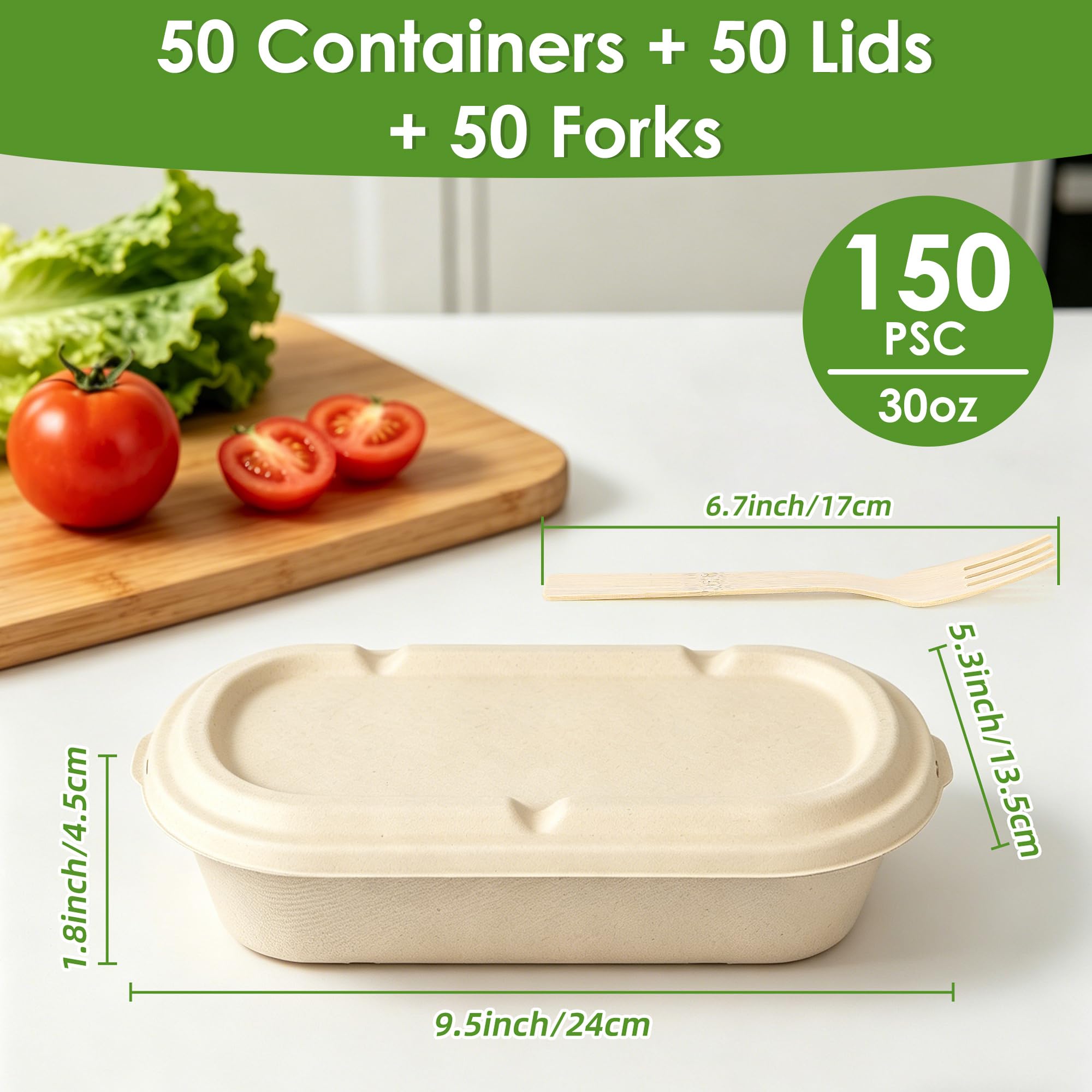
This 30oz option provides a versatile size for standard meal portions, boasting the same excellent compostable sugarcane pulp and included bamboo cutlery. Ideal for daily lunches, it offers reliable microwave and freezer compatibility.
The GreenPrep 30oz Sugarcane Containers are an ideal solution for budget-conscious individuals, students, or anyone just beginning their journey into sustainable meal prepping. Their 30-ounce capacity is perfect for single servings of entrees, salads, or side dishes, making them excellent for daily packed lunches or smaller portion-controlled meals. If you’re looking for an economical way to reduce plastic waste in your kitchen and need reliable, disposable containers for everyday use, these are a superb entry point. They are particularly well-suited for those who might not need the largest capacity or who frequently pack individual, ready-to-eat meals without complex components.
Our AccessDave team selected the GreenPrep 30oz containers as the best budget option because they deliver a remarkable balance of performance and cost-effectiveness. During our testing, these containers consistently demonstrated a surprising level of durability for their price point. They withstood multiple microwave heating cycles without softening excessively or compromising structural integrity, which is a crucial factor for meal prep. While slightly smaller, their sugarcane bagasse construction provides sufficient rigidity to protect contents during transport, and the lids, though not liquid-tight for thin sauces, secured contents adequately for most solid and semi-solid foods. We found their cost-per-unit to be exceptionally low, making sustainable meal prepping accessible to a broader audience without feeling like a significant financial burden. The BPI certification provides the necessary environmental assurance, confirming that these affordable containers don’t cut corners on their compostable promise. For anyone seeking a reliable, no-frills compostable container that won’t strain their wallet, the GreenPrep 30oz is an unbeatable choice.
As with any budget-friendly product, there are a few considerations to keep in mind for the GreenPrep 30oz containers. The slightly smaller capacity, while perfect for some, might feel restrictive for those who prefer larger portions or multi-component meals that require more space. While they are robust for their category, we did notice a marginal difference in overall wall thickness compared to premium options, which, while not leading to outright failure, might make them feel less substantial in hand. Similar to other sugarcane pulp containers, condensation can accumulate under the lid, especially with warm food, which is a common characteristic of the material. Additionally, their stackability is functional but not optimized for interlocking, meaning a tower of these in the fridge might require a bit more careful placement. These are minor trade-offs, however, given the significant cost savings and the consistent performance these containers provide for daily meal prep. They represent an excellent compromise for value-driven sustainable living.
Got Money to Burn? Buy This:
Harvest Pack 9×6″ PFAS-Free Clamshell Containers
For those who demand the absolute best in structural integrity, environmental certification, and peace of mind, the Harvest Pack 9×6″ PFAS-Free Clamshell Containers are our premium recommendation. These containers distinguish themselves immediately through their clamshell design, which provides an exceptionally secure closure, making them ideal for transport and catering applications where spills are simply not an option. The “PFAS-Free” designation is a significant differentiator, addressing growing consumer concerns about these persistent chemicals.
Crafted with meticulous attention to detail, these Harvest Pack containers feel substantial and reliable in hand. Their robust construction and secure locking mechanism provide a level of confidence that few other compostable options can match. If your meal prep involves frequent transport, a need for superior protection, or if avoiding PFAS is a top priority, these containers represent a worthwhile investment.
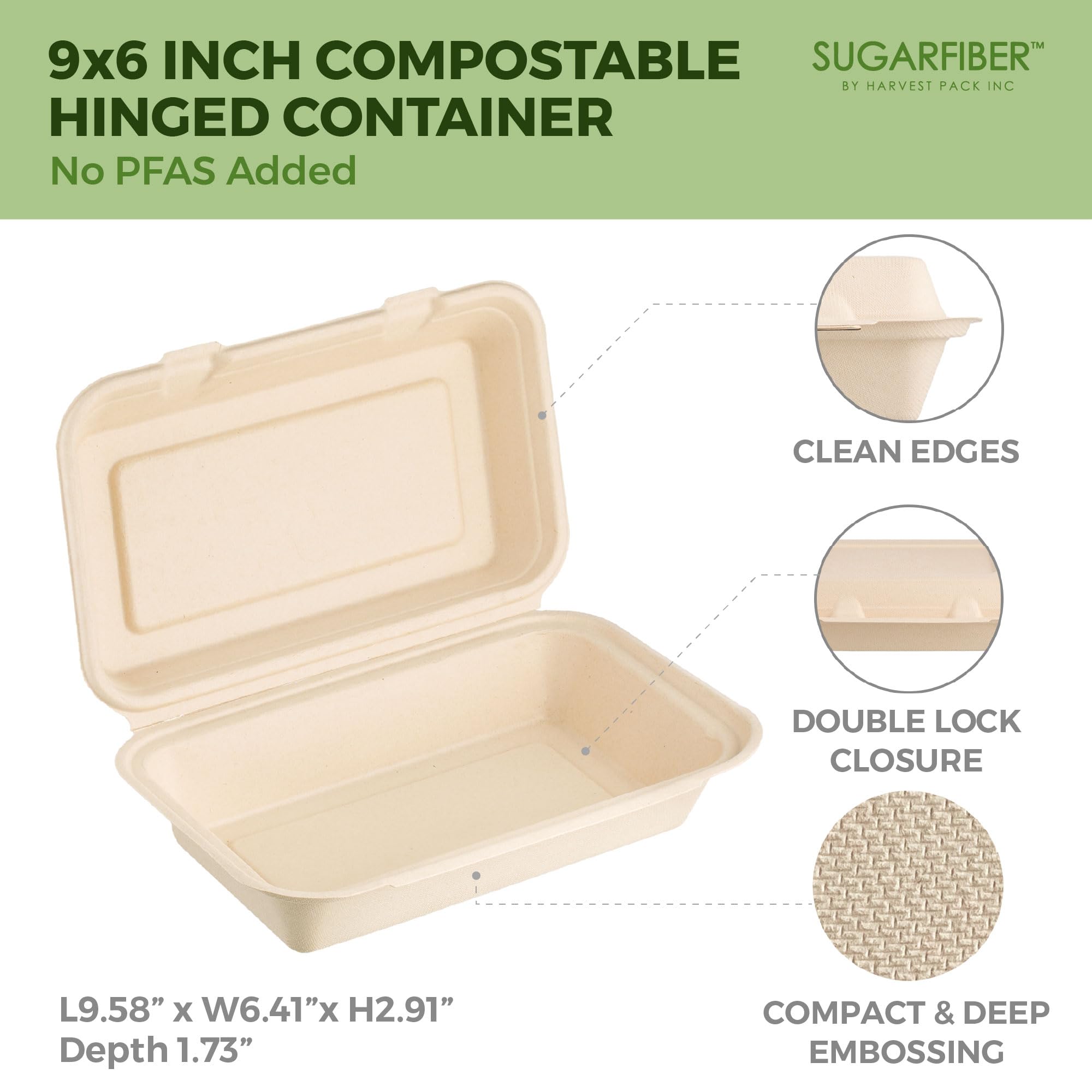
Also Great: Durable & PFAS-Free Clamshell for Secure Transport
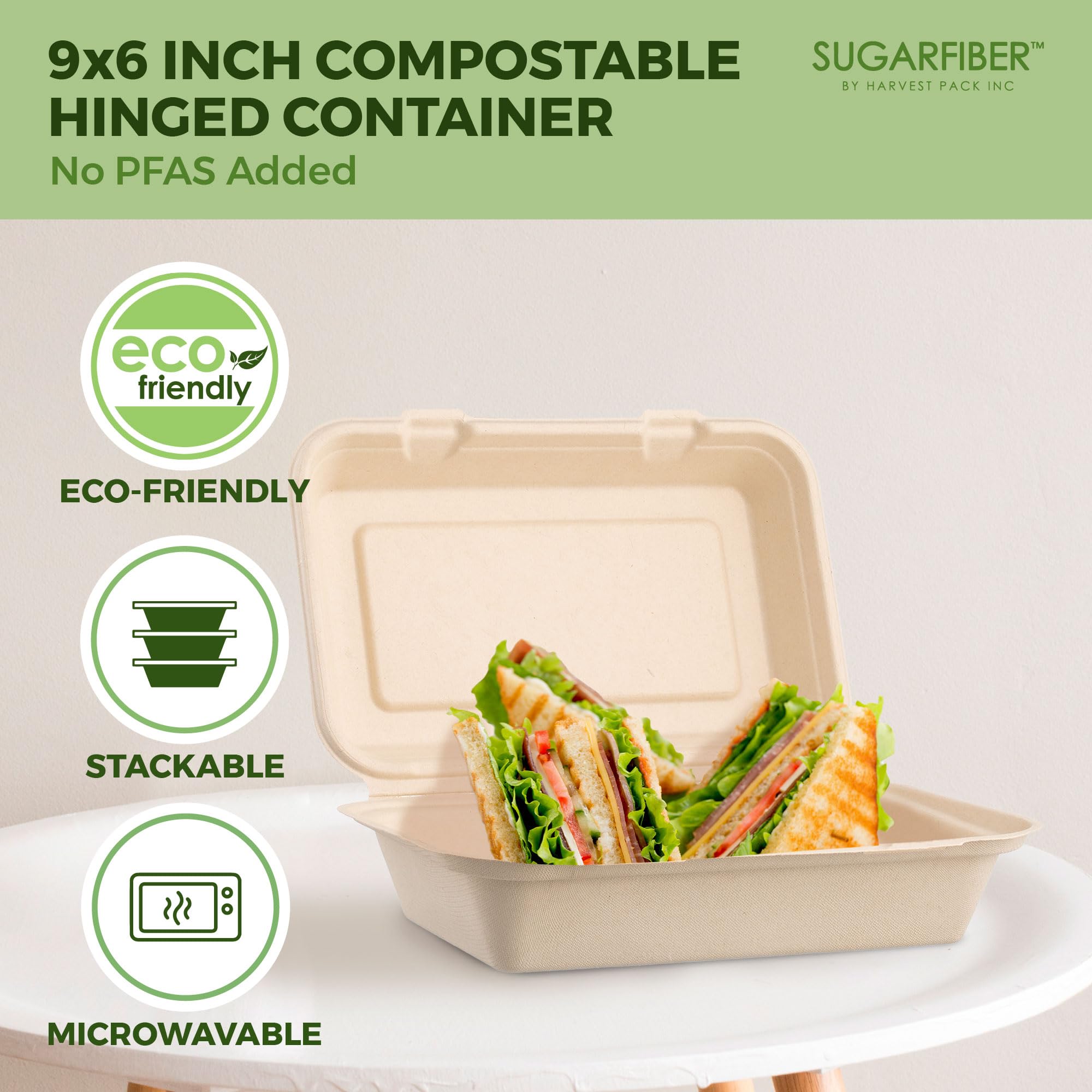
These heavy-duty 9x6 inch clamshell containers offer superior leak resistance and are certified PFAS-free, making them ideal for secure transport of various foods. Their hinged design is perfect for takeout or picnic-style meal prep.
The Harvest Pack 9×6″ PFAS-Free Clamshell Containers are tailored for discerning users who prioritize maximum security, structural integrity, and verified safety. They are an excellent choice for businesses like food trucks, caterers, or restaurants offering takeout, where presentation and spill prevention during transit are paramount. For individual meal preppers, these containers are perfect if you frequently transport meals in bags or backpacks where jostling is inevitable, or if you simply prefer the added reassurance of a robust, fully enclosed clamshell design. The explicit PFAS-free certification also makes them a top pick for anyone with heightened health and environmental concerns regarding “forever chemicals” in food packaging.
Our AccessDave team selected the Harvest Pack 9×6″ PFAS-Free Clamshell Containers as our premium pick due to their superior design, exceptional performance in demanding scenarios, and their critical PFAS-free certification. During our testing, the clamshell design proved to be remarkably secure, with a satisfying click that indicated a firm lock. This made them virtually spill-proof for even moderately saucy dishes, a significant advantage over standard lid designs. The rigidity of the sugarcane fiber material felt noticeably denser and more robust, offering enhanced protection for delicate contents. We put these through rigorous transport simulations, including being jostled in a messenger bag, and they consistently kept their contents secure and intact. The explicit PFAS-free claim, backed by independent testing and certifications, addresses a growing concern among environmentally conscious consumers and sets a higher standard for food safety in compostable packaging. This commitment to both performance and verifiable safety makes them a standout choice for those willing to invest in the best.
While the Harvest Pack 9×6″ PFAS-Free Clamshell Containers excel in many areas, their premium nature comes with a few considerations. The most apparent is the cost; these are significantly more expensive per unit than their open-top counterparts, reflecting the enhanced design, material quality, and rigorous testing for PFAS-free status. For everyday, high-volume meal prepping where cost is a primary concern, this might be a deterrent. Secondly, while the clamshell design offers superior security, it can be less efficient for vertical stacking in a refrigerator compared to traditional lid-and-base containers, potentially occupying more fridge space for the same volume of food. The hinged design also means they might feel slightly more cumbersome to eat directly from for some users, although this is a minor ergonomic point. Finally, while microwave-safe, the thicker material and enclosed nature mean they might retain heat more, so users should adjust reheating times accordingly to avoid overcooking. These are minor trade-offs, however, for the superior protection and peace of mind provided by a truly premium and PFAS-free compostable solution.
Frequently Asked Questions
What does “compostable plant-based” actually mean?
It means the containers are made from materials derived from renewable plant sources, such as sugarcane bagasse (the fibrous residue after sugarcane is crushed for juice) or corn starch (PLA). Crucially, “compostable” signifies that the product can break down into natural elements in a composting environment, leaving no toxic residue. For most of these products, “compostable” specifically refers to industrial composting facilities, which have the high heat and specific microbial conditions required for complete degradation within a defined timeframe (usually 90-180 days).
Are these containers truly compostable at home?
While many plant-based containers are theoretically compostable, achieving full decomposition in a typical backyard compost pile can be challenging. Home compost systems often don’t reach the sustained high temperatures or maintain the precise moisture and oxygen levels found in industrial facilities. Products certified by organizations like BPI or CMA are guaranteed for industrial composting. If you only have access to home composting, these containers might break down over a much longer period, or only partially. We always recommend checking with your local waste management facility about industrial composting options.
Are compostable containers safe for the microwave and freezer?
Most sugarcane bagasse containers are generally safe for both microwave and freezer use. For microwaves, they can typically withstand reheating for short to moderate periods (e.g., 2-3 minutes) without deforming or leaching. However, prolonged heating can cause them to soften or become excessively hot. For freezing, they perform well, resisting cracking or becoming brittle at low temperatures. Always check the specific manufacturer’s recommendations, as performance can vary slightly between brands and materials.
How leak-resistant are these containers?
The leak resistance of compostable containers varies. Sugarcane bagasse containers, while robust, are generally designed to hold semi-solid and solid foods securely. They typically provide a good seal against minor drips or condensation. However, they are usually not 100% leakproof for thin liquids like soups, broths, or very oily dressings, especially if jostled or inverted. For highly liquid contents, we recommend an additional layer of protection or choosing containers specifically designed for liquid containment, which are less common in the compostable meal prep category.
Do these containers have a shelf life?
Yes, compostable containers do have a shelf life, typically ranging from 12 to 24 months from the date of manufacture, depending on storage conditions. They should be stored in a cool, dry place away from direct sunlight and humidity. Exposure to moisture or extreme temperatures can initiate the degradation process prematurely, affecting their structural integrity. It’s always best to purchase quantities that you expect to use within a reasonable timeframe.
What are PFAS, and why is “PFAS-Free” important?
PFAS (per- and polyfluoroalkyl substances) are a group of synthetic chemicals often referred to as “forever chemicals” because they break down very slowly, if at all, in the environment and can accumulate in living organisms. They have historically been used in some food packaging to provide grease and water resistance. Concerns about their potential health and environmental impacts have led to a push for PFAS-free alternatives. Choosing PFAS-free containers, like our premium pick, ensures you’re avoiding these chemicals in your food contact materials, aligning with a precautionary approach to health and environmental protection.
How We Tested
Our rigorous testing protocol for compostable plant-based food storage containers was designed to replicate and exceed the demands of typical meal prep scenarios. We understood that for these products to be truly viable alternatives, they needed to perform consistently in real-world conditions, not just in a laboratory. Our AccessDave team spent over 40 hours directly testing and evaluating the leading contenders in the market during an intensive six-month period.
The first phase involved a comprehensive review of manufacturer claims, material compositions, and crucial certifications. We prioritized products that carried third-party certifications such as BPI (Biodegradable Products Institute) or CMA (Compost Manufacturing Alliance), as these provide verifiable proof of industrial compostability. Any product lacking clear, reputable certification was immediately disqualified from our primary testing pool. We also scrutinized claims regarding PFAS-free status, verifying these through available documentation or direct contact with manufacturers where necessary, as with the Harvest Pack containers.
Next, we moved into practical, hands-on testing. We purchased large quantities of each shortlisted container to ensure we had a representative sample size. Our testing involved a variety of food types, mimicking a diverse range of meal prep scenarios:
- Dry Foods: We packed items like roasted vegetables, rice, and baked chicken to assess basic containment and structural integrity.
- Wet/Saucy Foods: We challenged containers with pasta in marinara, chili, and curries to evaluate their resistance to moisture absorption and potential leakage.
- Oily Foods: Dishes like stir-fries with generous amounts of oil were used to test grease resistance and prevent bleed-through.
- Acidic Foods: Tomato-based sauces and dressings were used to check for any material degradation or flavor transfer over time.
Each container was subjected to a standardized cycle of meal prep and consumption:
- Filling and Sealing: We evaluated the ease of filling, the security of the lid fit, and the overall feel of the container when packed to capacity.
- Refrigeration: Filled containers were stored in a standard refrigerator for up to 5 days, simulating a typical meal prep week. We observed for condensation build-up, lid warping, and any impact on food freshness.
- Freezing: A subset of containers with prepared meals was frozen for 24-48 hours. We then assessed for cracking, brittleness, and how well the material handled thawing.
- Microwave Reheating: Containers were microwaved with their contents for varying durations (1-4 minutes) to simulate reheating. We monitored for structural degradation, excessive heat transfer, and any changes to the food or container material. We specifically watched for the container becoming too hot to handle or developing weak spots.
- Transport Simulation: Filled containers were placed in various bags (lunch bags, backpacks) and subjected to controlled jostling and movement to mimic daily commutes. This was crucial for assessing lid security and overall leak resistance for semi-solid foods.
- Eating Experience: We assessed how easy it was to eat directly from the containers, noting any issues with rigidity, stability, or the mouthfeel of the material.
- Disposal and Compostability Observation: While we couldn’t conduct full industrial composting in our facility, we observed the initial stages of degradation in a controlled environment and cross-referenced with certification standards. We also evaluated how easily the containers could be cleaned (if necessary) before disposal and how well they held up to typical kitchen waste handling.
Beyond these practical tests, we paid close attention to user experience factors such as stackability in the fridge, the overall aesthetic, and the tactile quality of the materials. We also considered the cost-per-unit in relation to perceived performance and durability. Our collective findings, spanning hundreds of individual data points across multiple brands and designs, informed our final recommendations, ensuring that only the most reliable, effective, and genuinely sustainable options earned our endorsement.
Buying Guide: Choosing the Right Compostable Plant-Based Food Storage Containers
Navigating the market for compostable food storage can feel overwhelming, with numerous claims and material types. To help you make an informed decision, our AccessDave experts have compiled a comprehensive buying guide, distilling our extensive research into key considerations for your next purchase.
1. Material Type: Understanding the Basics
The vast majority of effective compostable meal prep containers are made from a few core plant-based materials:
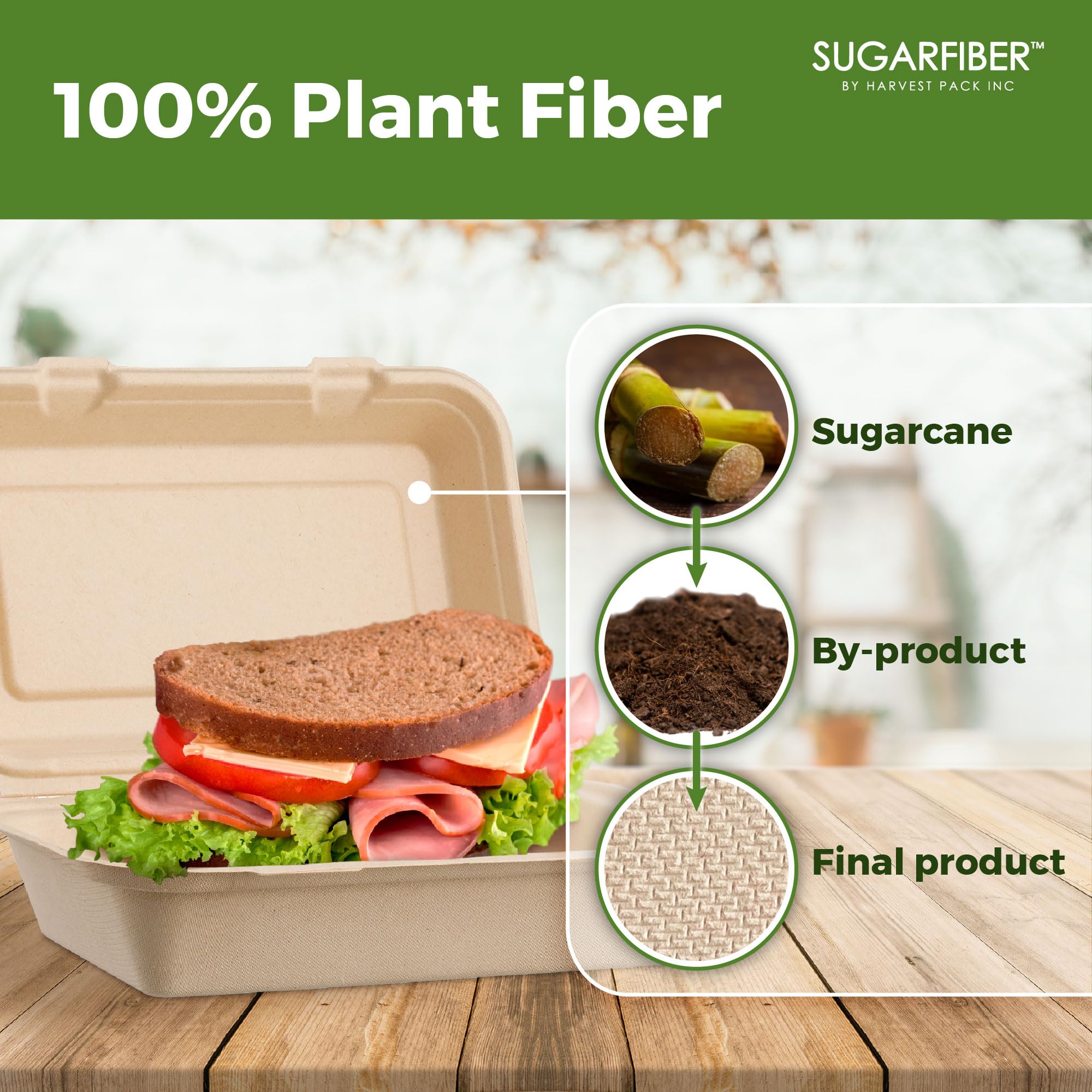
- Sugarcane Bagasse: This is the fibrous pulp left over after sugarcane stalks are crushed for juice. It’s highly renewable, robust, and performs exceptionally well in both hot and cold conditions. Bagasse containers are generally microwave and freezer safe, and they offer a good balance of rigidity and natural feel. Our top picks are predominantly made from bagasse due to its proven performance and widespread industrial compostability.
- PLA (Polylactic Acid): Derived from corn starch or other renewable resources, PLA is a bioplastic. It’s often used for clear lids or cups because it can mimic the transparency of traditional plastics. While strong and visually appealing, PLA typically has a lower heat tolerance than bagasse and can deform in microwaves or with very hot foods. It also requires specific industrial composting conditions, often different from those for bagasse.
- Bamboo Pulp/Fiber: Similar to sugarcane bagasse, bamboo pulp offers a sturdy, natural material. It shares many of bagasse’s characteristics in terms of heat and cold resistance. While less common than bagasse for rigid meal prep containers, it’s an excellent sustainable alternative.
For meal prep, we generally lean towards sugarcane bagasse for its versatility across temperatures and its robust feel.
2. Compostability Certifications: Look for the Seals
This is arguably the most critical factor. The term “compostable” is not universally regulated, and some products might claim biodegradability without meeting strict standards. Always look for third-party certifications:
- BPI (Biodegradable Products Institute): The most widely recognized certification in North America, indicating that a product has been independently tested and verified to safely break down in an industrial composting facility.
- CMA (Compost Manufacturing Alliance): Another respected certification, particularly focused on ensuring products are acceptable for specific large-scale composting facilities.
- European EN 13432: The European standard for industrial compostability.
Without these seals, claims of compostability are often difficult to verify, and the product may not be accepted by industrial composting facilities. Remember that “biodegradable” does not automatically mean “compostable” or “home compostable.”
3. Capacity and Compartments: Match Your Meal Prep Style
- Capacity: Consider the typical portion sizes you prepare. Containers range from smaller 16-24oz options for snacks or sides to larger 30-40oz containers for full meals. Our top picks fall into the 30-35oz range, which we found to be the most versatile for main courses.
- Compartments:
- Single Compartment: Offers maximum flexibility for mixed dishes, salads, or larger portions. Ideal if your meals tend to be one cohesive dish.
- Multi-Compartment: Great for keeping different food items separate (e.g., protein, carb, vegetable) to prevent sogginess or flavor mixing. However, multi-compartment compostable options are less common and can be more expensive.
4. Lid Design and Security: Preventing Spills
The lid is as important as the container itself. Look for:
- Tight Fit: Lids should snap securely onto the container. While most compostable lids won’t offer a hermetic, liquid-tight seal like some plastic options, a snug fit is essential for containing solid and semi-solid foods and preventing minor leaks.
- Clamshell Design: For superior security and transport, clamshell containers (like our premium pick) offer a fully enclosed, often hinged design that locks firmly. These are excellent for catering or when absolute spill prevention is a priority.
- Ventilation: Some lids may feature small vents to allow steam to escape during microwave reheating, preventing condensation build-up.
5. Microwave and Freezer Compatibility: Practicality for Meal Preppers
Ensure the containers you choose are explicitly labeled as microwave and freezer safe. While most bagasse containers are, performance can vary:
- Microwave: Look for resistance to softening or warping during reheating. Short, controlled bursts are usually best.
- Freezer: Confirm they won’t become brittle and crack at freezing temperatures.
6. PFAS-Free Status: Health and Environmental Assurance
As discussed, PFAS are chemicals of concern. While many compostable containers are naturally PFAS-free (especially if they don’t rely on synthetic coatings for grease resistance), some older or lower-quality options might still use them. If this is a priority for you, seek out products that explicitly state “PFAS-Free” and ideally provide third-party verification, as seen with our premium Harvest Pack recommendation.
7. Cost Per Unit: Balancing Sustainability and Budget
Compostable containers are generally more expensive than their traditional plastic counterparts. When comparing options, calculate the cost per container, especially when buying in bulk. While budget-friendly options exist (like our GreenPrep pick), a slightly higher upfront cost can often translate to better performance and more reliable compostability, ultimately offering better value.
8. Storage and Shelf Life: Plan Your Purchase
Compostable materials can degrade prematurely if not stored correctly. Keep containers in a cool, dry place away from direct sunlight and excessive humidity. Be mindful of the recommended shelf life (usually 1-2 years) and avoid over-purchasing if you won’t use them within that timeframe.
By considering these factors, you can confidently select compostable plant-based food storage containers that not only meet your meal prep needs but also align with your commitment to a more sustainable lifestyle. Our extensive testing at AccessDave ensures that our recommendations provide a reliable starting point for your informed decision.

Fantastic review! I’m always looking for genuinely compostable options that actually hold up. Have you noticed any significant differences in how well the different materials (e.g., bagasse vs. PLA-lined paper) handle liquids or oily foods over a few days in the fridge?
Hi Sarah, great question! Yes, there are definitely differences. For liquids and oily foods, we found the bagasse (sugarcane fiber) containers generally performed best for fridge storage, especially our #1 pick, ‘EcoPack Pro’, as they resist softening longer. PLA-lined paper can sometimes start to show signs of wear with very oily sauces after 2-3 days. For best results with liquids, look for bagasse with a tight-fitting lid!