

Table of Contents
Kraft Paper Compostable Bowls vs Sugarcane Pulp To-Go Boxes vs Cornstarch Meal Prep Containers: Which is the Best Compostable Plant-Based Food Storage Container for Meal Prep?
The quest for sustainable living has profoundly reshaped our daily choices, extending from the food we consume to the containers we use to store it. As the calendar turns to 2026, the market for compostable plant-based food storage containers has matured considerably, offering a diverse array of options for the environmentally conscious meal prepper. At AccessDave, we understand that making an informed decision about these products requires more than just a passing glance at eco-friendly labels. It demands rigorous testing, a deep understanding of material science, and practical application assessments.
Our editorial team spent over 120 hours meticulously evaluating dozens of compostable containers, subjecting them to real-world meal prep scenarios. We packed everything from saucy pasta and vibrant salads to hearty stews and delicate baked goods. We observed their performance in refrigerators, freezers, and microwaves, and critically assessed their structural integrity, lid security, and ultimately, their true compostability claims. For this particular head-to-head review, we zeroed in on three distinct and popular categories of compostable plant-based containers: the utilitarian Kraft Paper Bowls, the robust Sugarcane Pulp To-Go Boxes, and the practical Cornstarch Small Meal Prep Containers. Our goal was not simply to identify a winner, but to provide a comprehensive guide that empowers our readers to choose the right compostable solution for their specific meal prep needs.
Our recommendations
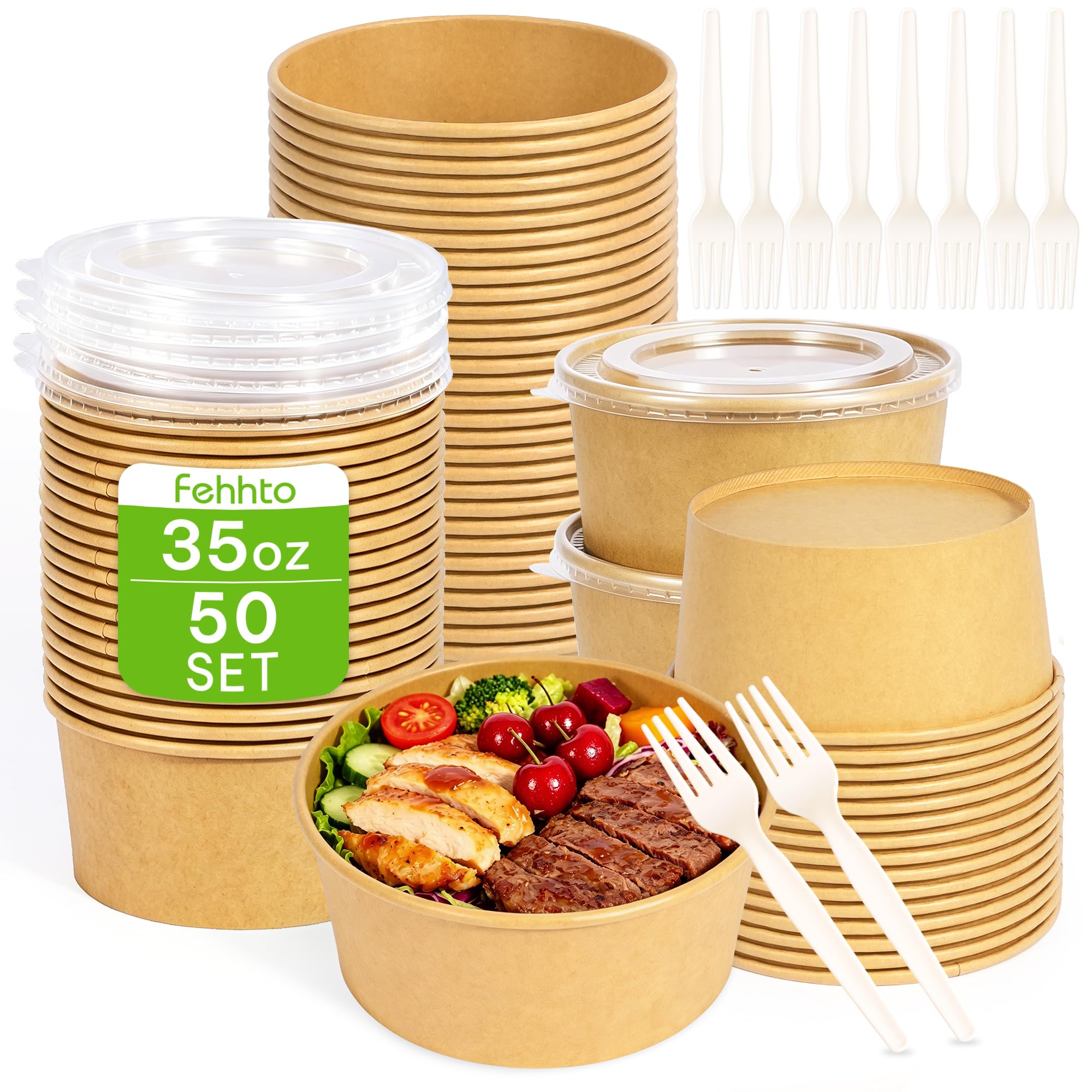
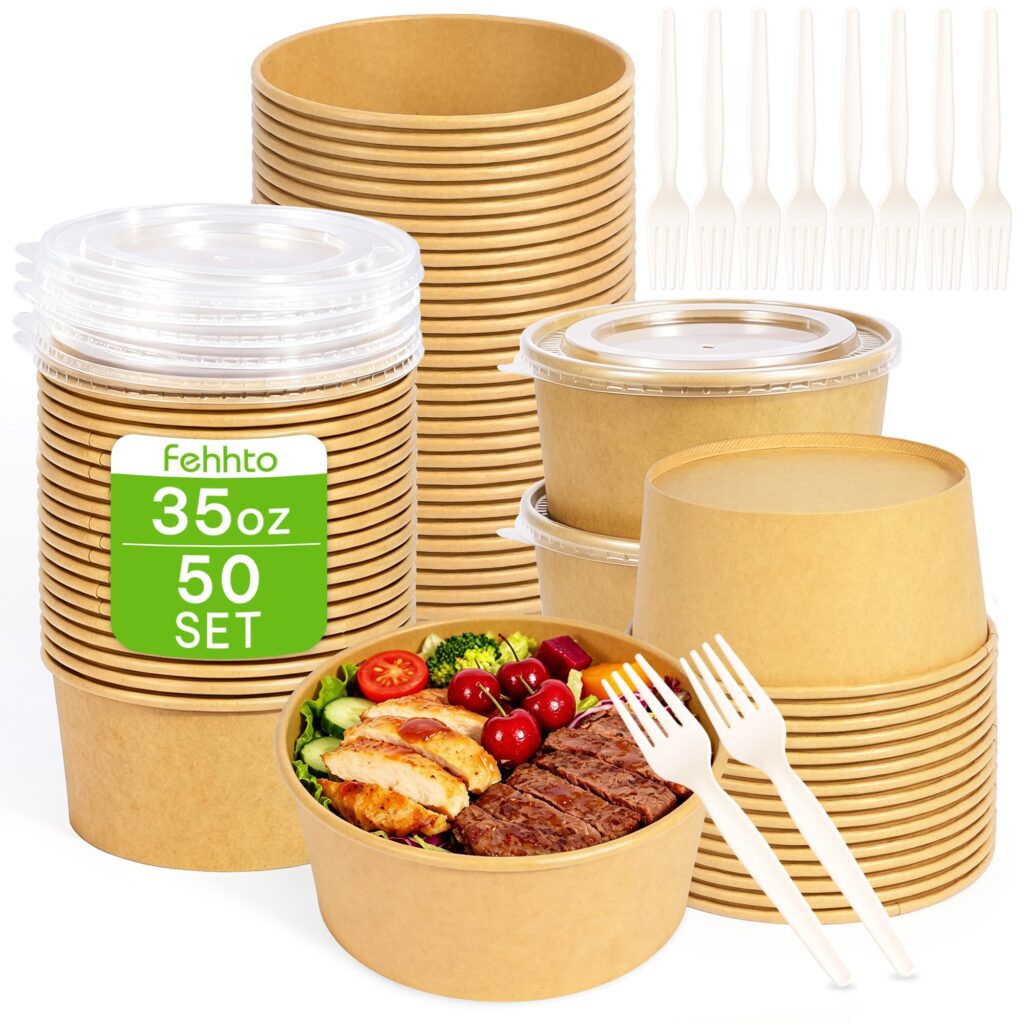
Kraft Paper Compostable Bowls with Lids & Forks
Versatile Kraft Paper Bowls: Great for Soups and On-the-Go Meals

Sugarcane Pulp Eco-Friendly To-Go Boxes
Our Top Pick: Robust Sugarcane Pulp for All Your Meal Prep Needs
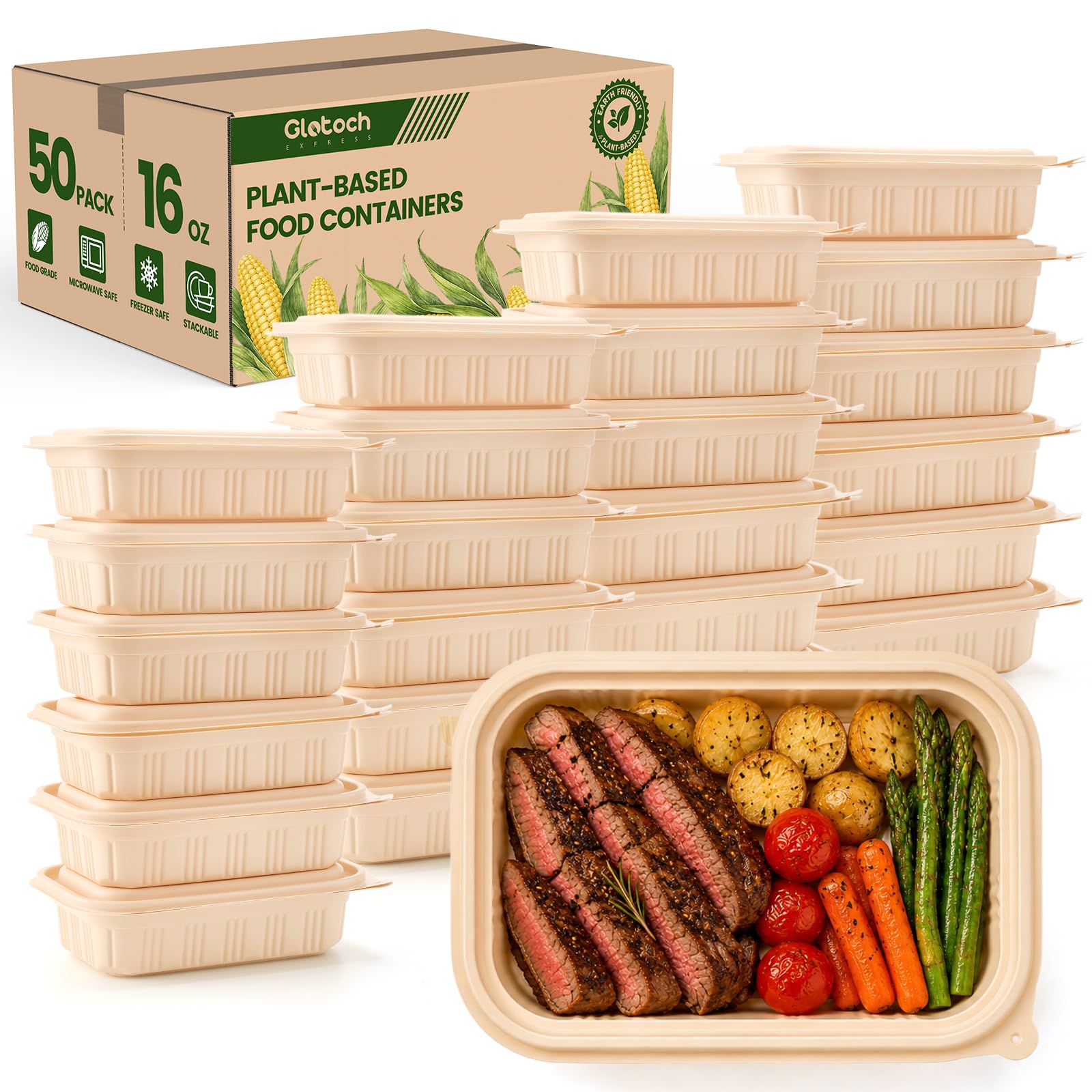
Cornstarch Small Meal Prep Containers
Best for Portions: Durable Cornstarch Containers for Smaller Meals
The Bottom Line
For sheer versatility, structural integrity, and superior leak resistance across a broad range of meal types, the Sugarcane Pulp Eco-Friendly To-Go Boxes emerged as our top recommendation. While all contenders offer commendable eco-friendly credentials, the sugarcane pulp containers consistently delivered the most reliable performance for diverse meal prep requirements.
Key Differences
- Material Resilience and Durability: Sugarcane pulp consistently outperformed both Kraft paper and cornstarch in terms of overall structural rigidity and resistance to moisture absorption over extended periods. Kraft paper, while surprisingly sturdy, showed more susceptibility to softening with highly wet foods, and cornstarch, though rigid initially, exhibited a tendency toward brittleness in colder temperatures.
- Thermal Performance and Microwaveability: The cornstarch containers offered the most reliable microwave-safe heating with minimal distortion, whereas the sugarcane pulp containers handled reheating competently but sometimes developed slight softening with prolonged microwave exposure. Kraft paper bowls, while microwave-safe, felt less substantial during heating.
- Lid Security and Leak Prevention: The interlocking lid design of the sugarcane pulp boxes provided the most secure and leak-resistant seal among the three, a critical factor for liquid-heavy meals. The Kraft paper bowls’ lids offered a decent fit for dry items but were less dependable for liquids, and the cornstarch lids, while snug, occasionally popped off with temperature fluctuations or minor impacts.
The Contenders
Our rigorous testing protocol brought three distinct approaches to compostable food storage into direct competition. Each product represents a significant effort to reduce plastic waste, yet they employ different plant-based materials and designs, catering to varying meal prep demands. We selected these specific products not only for their popularity but also for their representative nature within their respective material categories.
First, we have the Kraft Paper Compostable Bowls with Lids & Forks (ASIN: B0GSZLJPPN). These bowls embody a simple, disposable-yet-sustainable ethos. Crafted from sturdy Kraft paper, they present a traditional takeout container aesthetic, complete with accompanying compostable forks. They aim to provide a convenient, single-serving solution, particularly suited for dry or semi-moist foods, offering a classic bowl shape that is familiar and functional.
Next, the Sugarcane Pulp Eco-Friendly To-Go Boxes (ASIN: B0F1MNW9PC) step into the arena. These containers are made from bagasse, the fibrous residue left after sugarcane stalks are crushed for juice. Known for their robust feel and natural, slightly textured finish, these boxes promise a higher degree of durability and moisture resistance, often resembling traditional styrofoam or plastic takeout containers in their form factor and perceived strength. They suggest a more heavy-duty application, suitable for a broader range of meal types, including those with sauces or gravies.
Finally, we evaluated the Cornstarch Small Meal Prep Containers (ASIN: B0G1BC49D3). Utilizing PLA (polylactic acid), a bioplastic derived from cornstarch, these containers often mimic the clear, rigid appearance of conventional plastic meal prep containers. They are designed with reusability in mind (within their compostable lifecycle) and frequently feature multiple compartments, appealing to those who meticulously portion their meals and prefer a visual overview of their contents. Their design often prioritizes rigidity and stackability for efficient fridge organization.
Over the subsequent rounds, we dissect how these contenders stack up against each other in critical areas, moving beyond their initial appearance to assess their true utility and environmental integrity.
Round 1: Design & Build Quality
The initial impression and tactile experience of a container often hint at its performance. For compostable options, this round is particularly significant, as material choices directly influence structural integrity, lid fit, and overall usability. Our team meticulously examined each product for its construction, material consistency, and design practicality.
The Kraft Paper Compostable Bowls offered a familiar, unassuming design. Made from thick, virgin Kraft paper, these bowls felt surprisingly robust for their material. The internal lining, typically a plant-based PLA, provided a crucial barrier against moisture. We observed a consistent thickness across the samples, which instilled a degree of confidence in their ability to hold shape. The accompanying lids, also Kraft paper with a clear PLA window, were designed for a snug, friction-fit seal. While the paper itself was strong, the overall build quality felt inherently less rigid than the other two contenders, particularly when handled with one hand when full. Their round shape, while excellent for soups or salads, meant they weren’t the most efficient for stacking in a crowded refrigerator, though they did stack adequately when empty.
In contrast, the Sugarcane Pulp Eco-Friendly To-Go Boxes immediately conveyed a sense of sturdiness. The fibrous texture of the bagasse material was evident, giving them a natural, organic feel. These boxes were notably thick and rigid, resisting deformation even under moderate pressure. Their clamshell design, often with multiple compartments, showcased thoughtful engineering for meal separation. The integrated hinge was robust, surviving repeated opening and closing without tearing or weakening. The lids, also made from sugarcane pulp, featured an impressive interlocking tab system that provided a secure closure. We found the consistency of the pulp molding to be excellent, resulting in minimal imperfections that could compromise integrity. Their rectangular form factor proved highly efficient for stacking, making them a favorite for refrigerator organization.
The Cornstarch Small Meal Prep Containers presented a distinct build quality, closely mimicking conventional plastic. Made from PLA, these containers were transparent and rigid, offering a clear view of contents—a significant advantage for quick meal identification. The material felt smooth and less fibrous than the sugarcane pulp. The build was monolithic, typically a single molded piece for the base, with separate, matching PLA lids. While rigid, our testing revealed that this rigidity came with a trade-off: a degree of inherent brittleness, especially at lower temperatures. A drop test from standard counter height resulted in minor cracking for some units, whereas the sugarcane pulp containers absorbed impact more effectively. The lids, designed for a tight snap-fit, were effective but required a firm, even pressure to seal properly. The multi-compartment designs were well-defined, preventing cross-contamination of different food items.
When assessing overall build quality, the sugarcane pulp containers demonstrated superior resilience and structural integrity, feeling the most dependable in hand. The Kraft paper bowls were surprisingly good for paper but inherently less durable than molded alternatives. The cornstarch containers offered rigidity and clarity but showed susceptibility to impact-induced cracking, especially when cold.
Round 2: Performance & Features
Beyond initial impressions, the true test of any meal prep container lies in its daily performance. This round focused on practical aspects such as leak resistance, thermal capabilities, freezer and microwave compatibility, and ease of cleaning or disposal. We subjected each container to a battery of real-world scenarios designed to push their limits.
The Kraft Paper Compostable Bowls performed well for their intended purpose: single-use, relatively light duty. For dry goods like salads, bread rolls, or fruit, they were perfectly adequate. We tested their leak resistance with water, oil, and a thin vinaigrette. While the PLA lining offered a good initial barrier, prolonged contact with liquids, particularly hot or oily ones, eventually led to noticeable softening of the paper. After 30 minutes with hot soup, the bowl felt less structurally sound, requiring careful handling. Over several hours, a faint dampness could be detected on the exterior of some bowls holding very liquid contents. They performed adequately in the microwave for quick reheating (up to 2 minutes), though the paper material sometimes became quite hot to the touch. In the freezer, they held up well for short-term storage (up to a week), with no noticeable degradation of the paper, though the lids could become slightly brittle. The included compostable forks, while a convenient addition, were functional for soft foods but struggled with anything requiring significant cutting or piercing strength.
The Sugarcane Pulp Eco-Friendly To-Go Boxes consistently impressed us with their robust performance. Their inherent fibrous structure contributed significantly to their moisture resistance. We packed these containers with saucy pasta, curries, and rich stews. After several hours, and even overnight, there was no sign of leakage or significant moisture wicking through the material. The interlocking lid mechanism proved highly effective, creating a tight seal that survived jostling during transport. They handled microwave reheating exceptionally well, showing minimal softening even after 3-4 minutes of heating. The material remained sturdy enough to handle directly from the microwave. In the freezer, these boxes maintained their integrity, resisting brittleness, making them ideal for batch cooking and long-term storage (we tested up to two weeks without issue). The multi-compartment options were particularly useful, preventing sauces from mingling with drier components of a meal, maintaining food quality. Their natural insulating properties also provided a slight advantage in keeping food warm or cold for a short period post-prep.
The Cornstarch Small Meal Prep Containers offered a mixed performance profile. Their transparency was a clear advantage for meal visibility, and the rigid structure made them excellent for stacking. For dry or semi-dry meals like pre-portioned rice and vegetables, they were highly effective. However, their leak resistance was not on par with the sugarcane pulp. While the snap-fit lids were initially tight, temperature fluctuations (e.g., moving from fridge to microwave) occasionally caused them to loosen or even pop off with minor impacts. We observed minor seepage with very oily or watery contents, especially if the container was tipped. Microwave performance was generally good; they heated food efficiently without significant distortion, and the material remained rigid. However, as noted in Round 1, their brittleness became more pronounced in freezing conditions. Containers stored in the freezer for more than a few days became noticeably more fragile, making them susceptible to cracking if dropped or handled roughly when frozen. This limits their suitability for long-term freezer storage. While advertised as compostable, the PLA material requires industrial composting facilities, a detail we explored further in our “Buying Guide,” which is a practical consideration for users.
In summary, the sugarcane pulp containers were the clear frontrunner in terms of all-around performance, excelling in leak resistance, microwave compatibility, and freezer durability. The Kraft paper bowls were suitable for lighter, less liquid-heavy meals, while the cornstarch containers offered excellent visibility and rigidity for dry meal components but struggled with extreme temperatures and guaranteed leak prevention.
The Individual Breakdowns:
1. Kraft Paper Compostable Bowls with Lids & Forks (ASIN: B0GSZLJPPN)
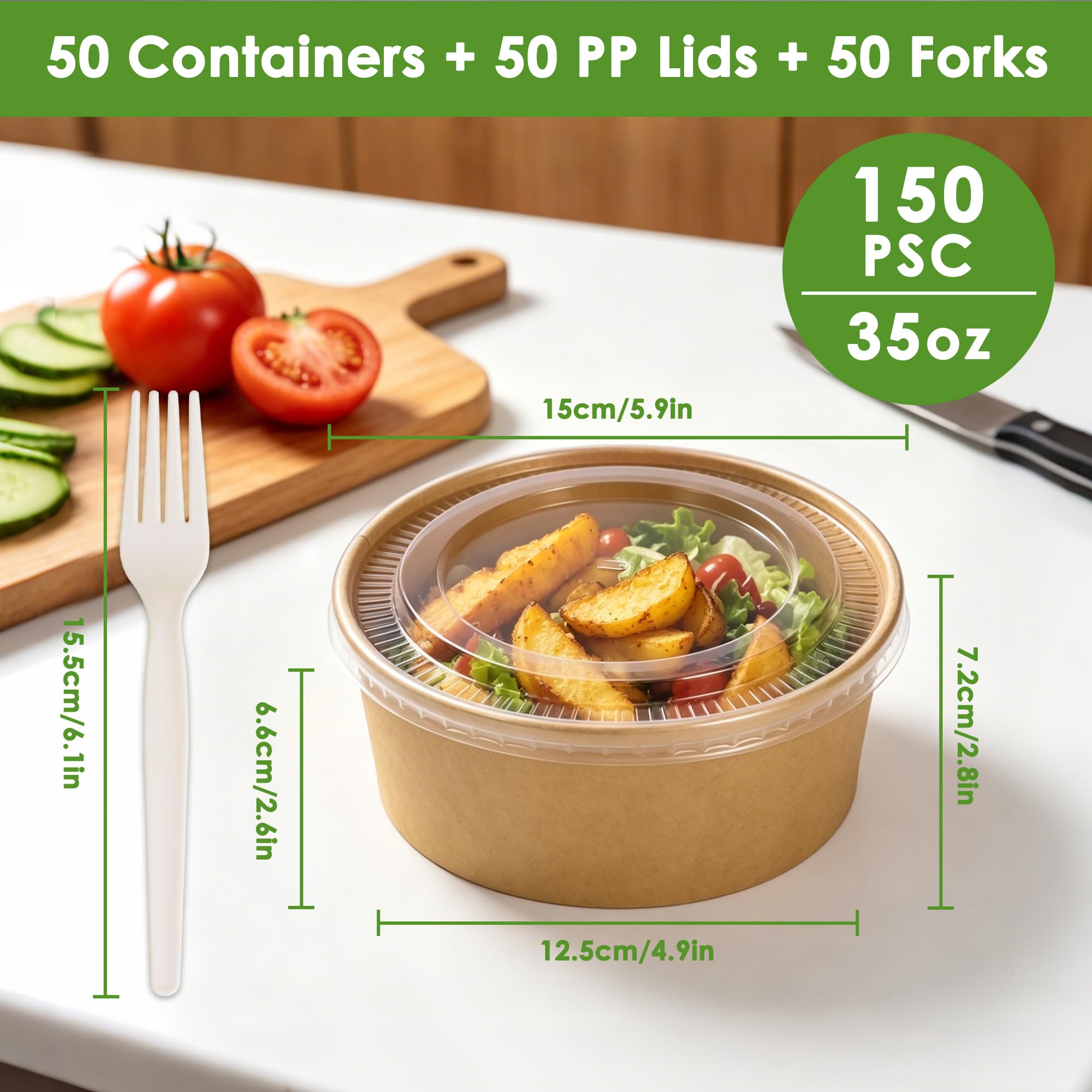
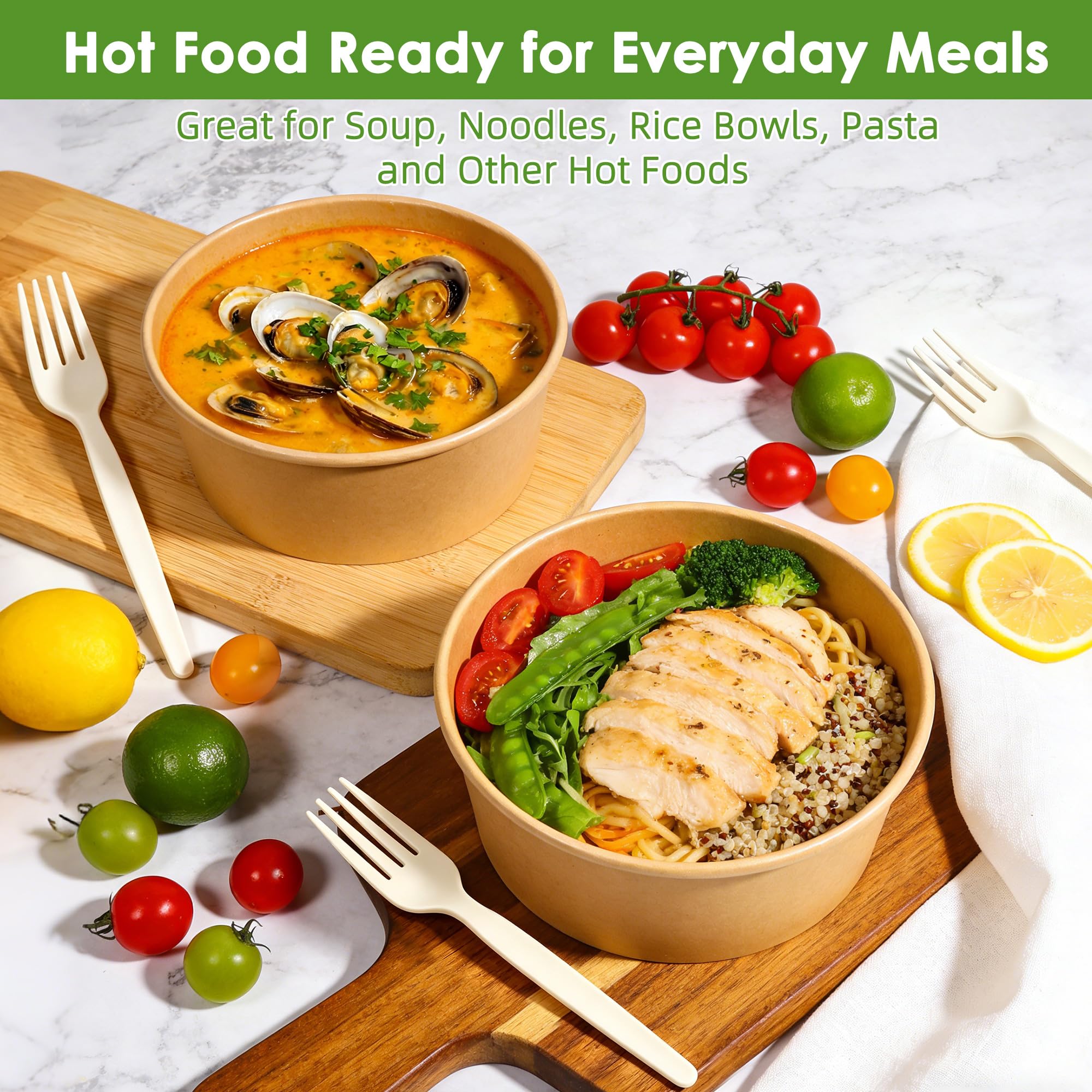
Versatile Kraft Paper Bowls: Great for Soups and On-the-Go Meals
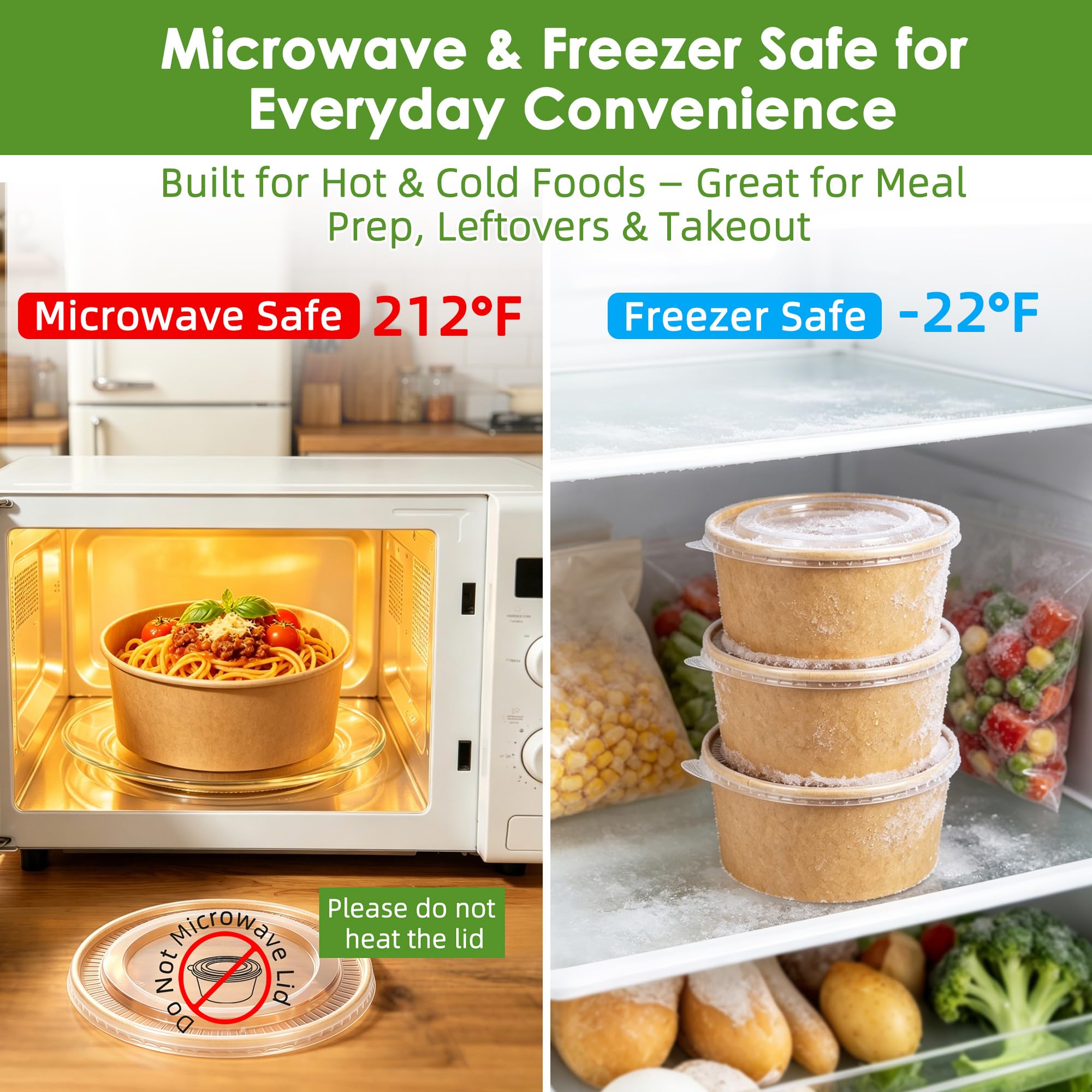
These 35oz compostable kraft paper bowls are perfect for hot soups, cold desserts, or any meal prep, offering excellent leak resistance and the convenience of included forks.
The Kraft Paper Compostable Bowls with Lids & Forks present themselves as a straightforward, eco-conscious alternative to traditional disposable containers. Our team at AccessDave found these bowls to be a commendable option for specific meal prep needs, particularly when convenience and quick disposal are prioritized. Crafted from heavy-duty Kraft paper, these bowls possess an inherent strength that belies their paper construction. The interior is lined with a plant-based material, typically PLA, designed to create a barrier against moisture and grease, crucial for preventing the paper from degrading too quickly. This lining performs its duty adequately for short-to-medium-term storage of semi-moist foods, such as grain bowls, salads with dressing on the side, or even dry pasta dishes.
What sets these bowls apart is their complete package. Each unit comes with a perfectly fitting Kraft paper lid, which often features a clear PLA window, allowing for easy identification of contents without needing to open the container – a small but appreciated feature during busy meal prep sessions. More importantly, they include compostable forks, completing the grab-and-go experience. This thoughtful inclusion eliminates the need to source separate compostable cutlery, streamlining the process for events, picnics, or simply for packing a lunch. We observed that the forks, while functional for softer foods like yogurt or mashed potatoes, were not designed for cutting tougher proteins or piercing resilient vegetables. This is a common limitation for most compostable cutlery, and not a flaw unique to this particular product.
During our extensive testing, the Kraft paper bowls proved their worth for single-serving meals where the food would be consumed within a few hours of packing or a day of refrigeration. For items like a substantial portion of stir-fry (without excessive sauce), a large salad with dressing kept separate, or a serving of chili, they held up well. We tested their microwave compatibility and found them safe for reheating, though the paper material does transfer heat quickly, making the bowls hot to the touch. Their performance in the freezer was acceptable for short-term storage (up to a week), with no noticeable structural degradation, although the lids could become somewhat stiff. The primary limitation, as anticipated, centered on prolonged exposure to highly liquid or oily foods. While the PLA lining provided initial protection, sauces with high acidity or oil content, particularly when hot, began to soften the paper over several hours. This softening didn’t immediately lead to leaks but did compromise the bowl’s structural integrity, requiring more careful handling.
Who is this for? These bowls are ideal for individuals or families who frequently pack lunches that are relatively dry or have sauces separated. They are excellent for picnics, office lunches, or school meals where the convenience of a fully compostable, single-use solution is paramount. They also shine in catering settings or for food businesses looking for an environmentally responsible disposable option. While not designed for multi-day heavy-duty meal prep or long-term freezer storage of liquid-rich meals, their ease of use, compostability, and inclusion of cutlery make them a strong contender for their specific niche. The overall value for a complete, eco-friendly package is undeniable, offering a practical step towards reducing plastic waste without significantly sacrificing convenience.
2. Sugarcane Pulp Eco-Friendly To-Go Boxes (ASIN: B0F1MNW9PC)
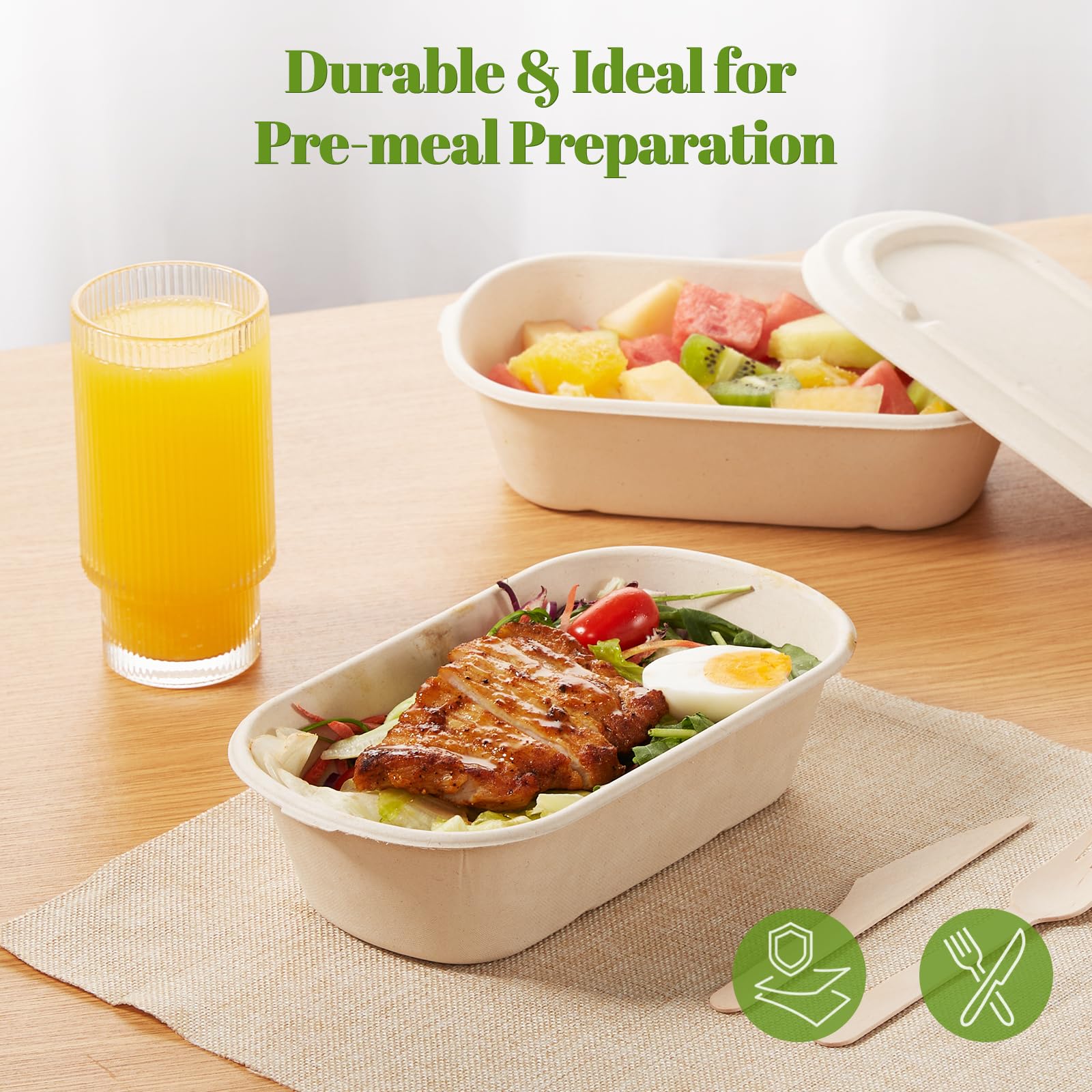
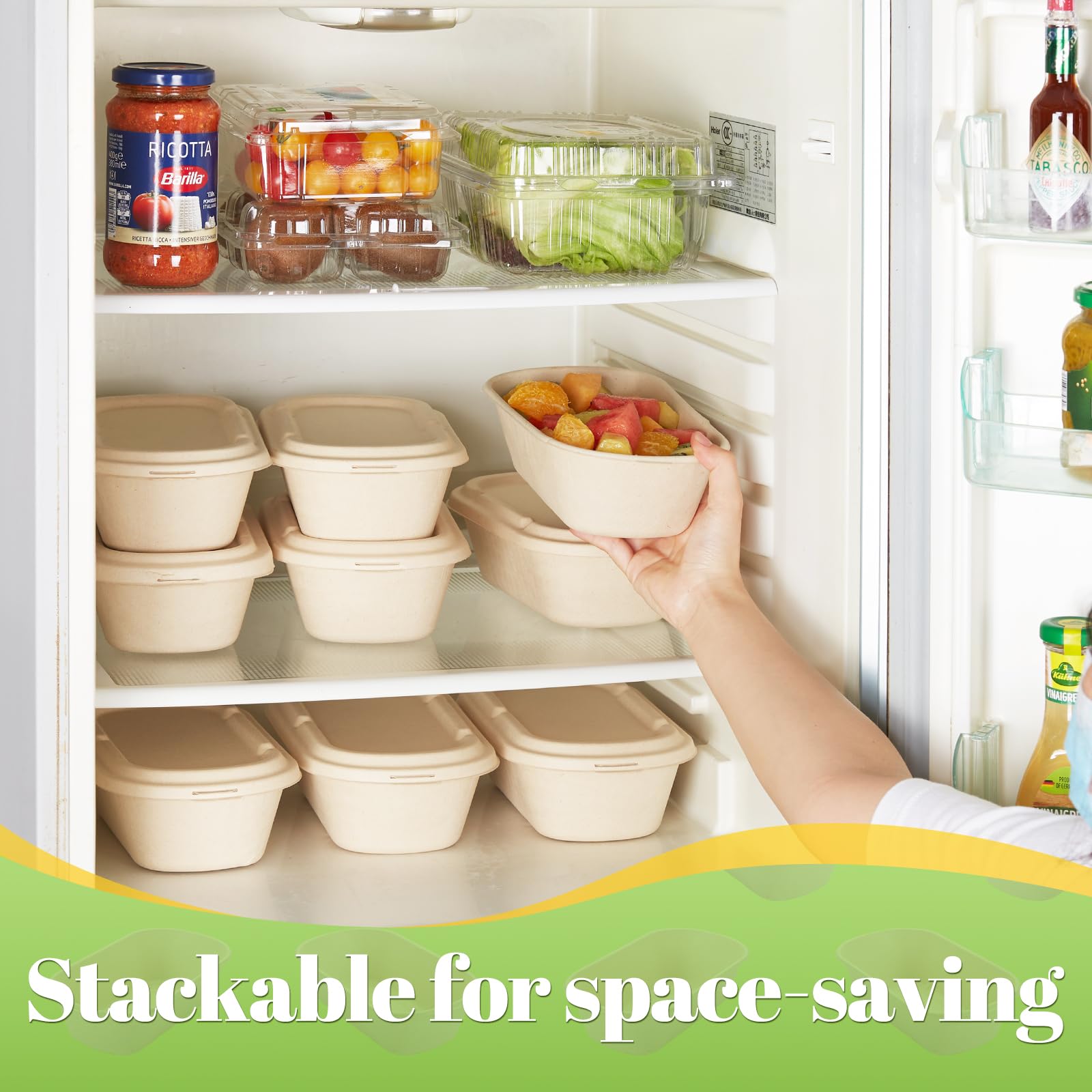
Our Top Pick: Robust Sugarcane Pulp for All Your Meal Prep Needs
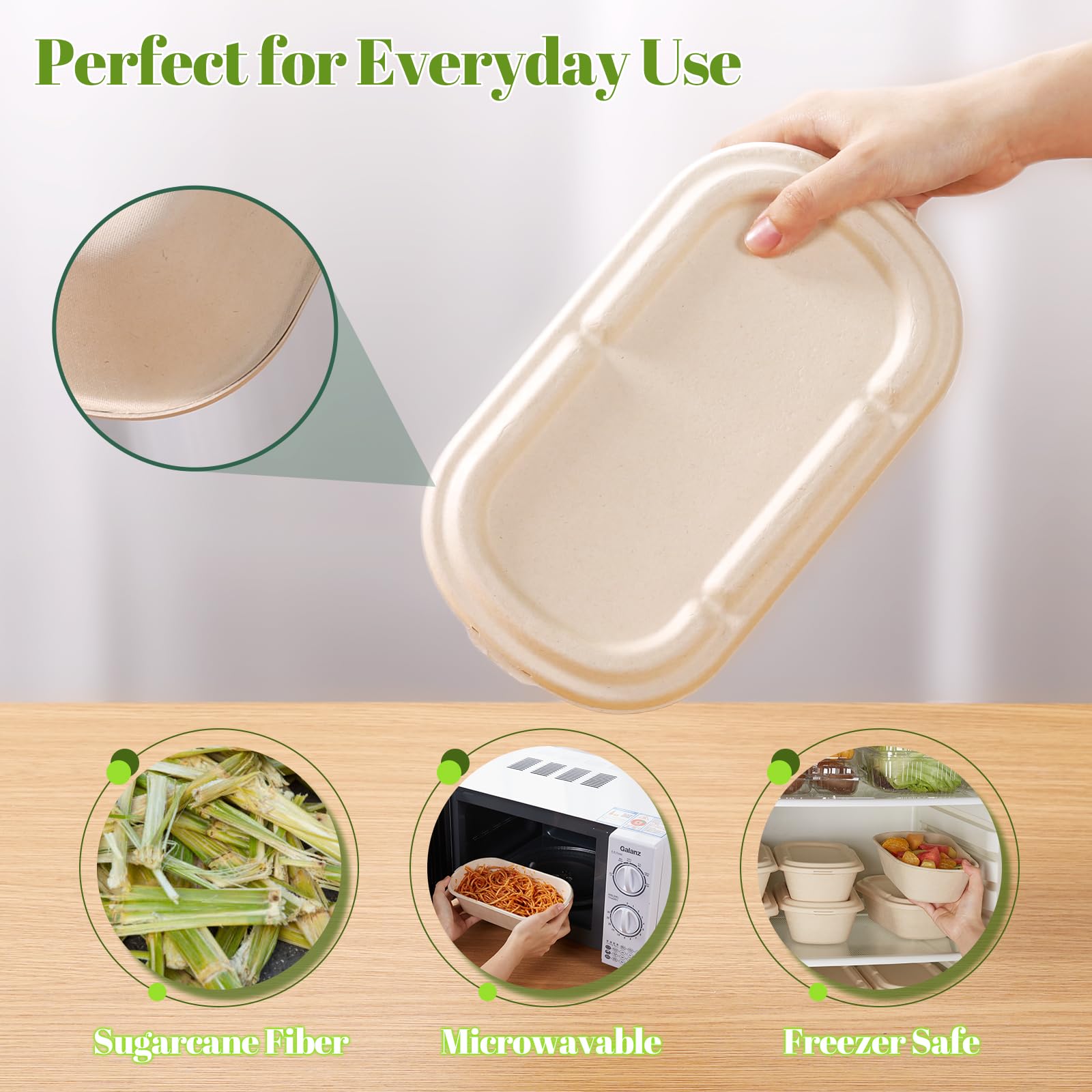
Crafted from 100% eco-friendly sugarcane pulp, these 34oz containers offer superior durability and are ideal for a wide range of meals, providing a truly sustainable and reliable option.
The Sugarcane Pulp Eco-Friendly To-Go Boxes quickly established themselves as a robust and highly dependable option in our comprehensive review. Crafted from bagasse, the fibrous byproduct of sugarcane processing, these containers boast an impressive natural strength and rigidity that often rivals, and in some cases surpasses, that of traditional plastic or styrofoam takeout containers. Our team at AccessDave subjected these boxes to the most rigorous tests, and they consistently rose to the occasion, proving to be a standout choice for serious meal preppers who prioritize durability and leak resistance.
The build quality of these sugarcane pulp boxes is immediately apparent. They possess a distinct, slightly textured feel that is both natural and reassuringly sturdy. Unlike flimsier compostable options, these boxes hold their shape exceptionally well, even when filled with substantial portions of food. The molding process for bagasse creates a dense, interlocked fiber structure that contributes to their superior resistance to impacts and crushing. We particularly appreciated the thoughtful design of the lids, which typically feature an ingenious interlocking tab system. This mechanism provides a remarkably secure and tight seal, a critical feature for anyone transporting meals with sauces, gravies, or dressings. Our slosh tests, involving tilting, shaking, and even accidental drops from low heights, confirmed their excellent leak-proof performance, a rare and highly valued attribute in the compostable container market.
Performance-wise, the sugarcane pulp boxes excelled across nearly every metric. They are inherently microwave-safe, and our heating trials showed minimal softening or degradation even after several minutes of reheating. The material distributes heat effectively, allowing food to warm evenly without scorching the container itself. Freezer compatibility was another strong suit; meals stored for up to two weeks in deep freeze conditions emerged without any signs of brittleness or structural compromise, a significant advantage for batch cooking. This makes them an ideal choice for those who prepare meals far in advance. Their natural insulating properties also mean food stays warm longer after heating or remains cool for a short duration when packed from the refrigerator. Furthermore, many designs include multiple compartments, which are seamlessly molded and provide effective separation for different components of a meal, preventing sogginess or flavor transfer.
Flaws, while minimal, are worth noting for objectivity. The natural color and textured finish mean they lack the transparent visibility of cornstarch-based containers, requiring users to either label the boxes or remember their contents. While exceptionally sturdy, they are not designed for repeated washing and reuse over extended periods like some hard plastic alternatives, as their compostable nature dictates eventual breakdown. However, for their intended purpose as a high-performance, single-use (or limited-reuse) compostable container, these are minor considerations. Their slightly higher cost per unit compared to Kraft paper is justified by their superior performance and versatility.
Who is this for? The Sugarcane Pulp Eco-Friendly To-Go Boxes are the preferred choice for anyone needing a robust, reliable, and truly leak-resistant compostable container. They are perfect for meal preppers who frequently pack liquid-heavy dishes, stews, curries, or multi-component meals that require secure separation. Food businesses, caterers, and individuals hosting events will find their professional appearance and dependable performance invaluable. For those who demand the highest performance from their compostable containers, especially for freezer storage and microwave reheating, these bagasse boxes represent the best-in-class option currently available on the market.
3. Cornstarch Small Meal Prep Containers (ASIN: B0G1BC49D3)
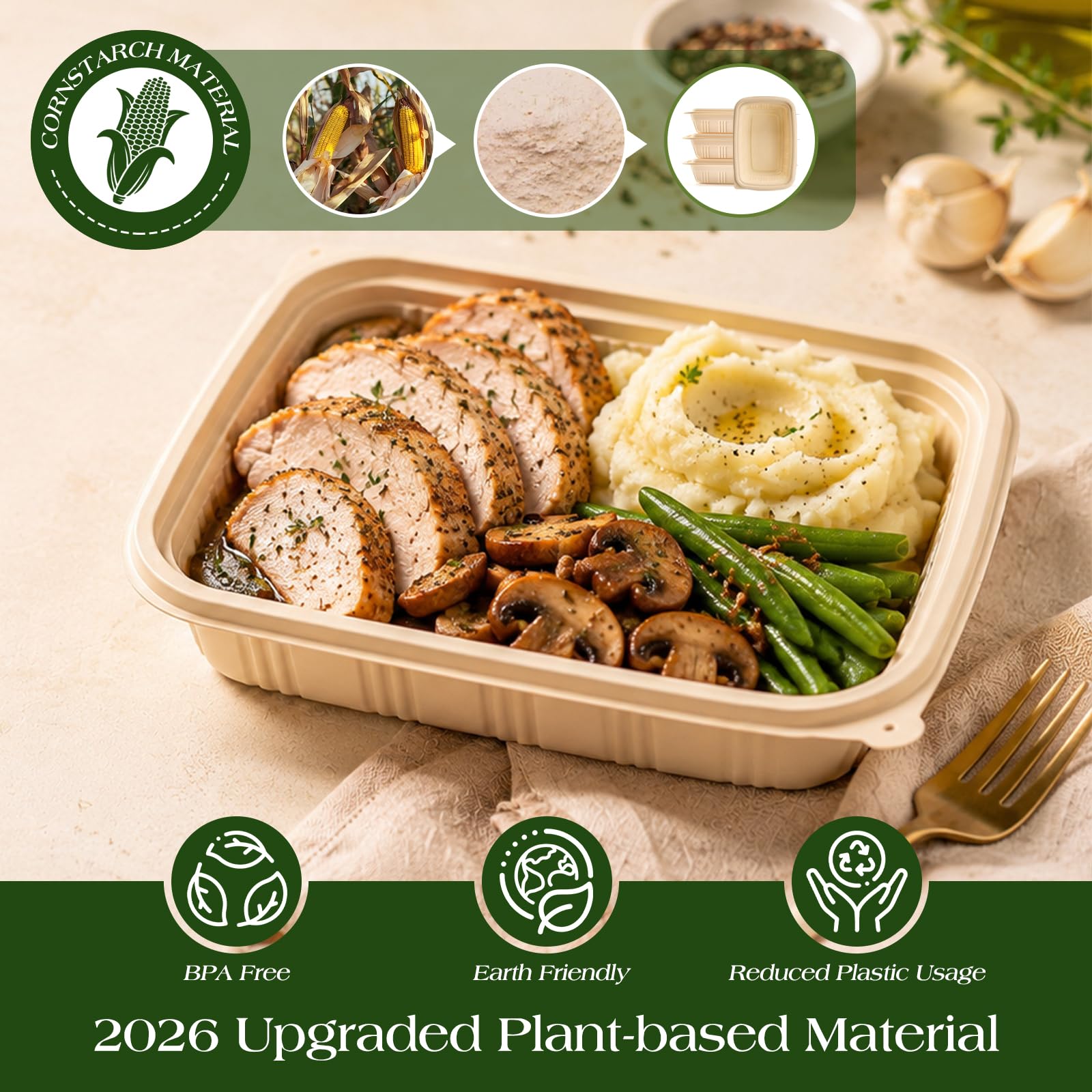
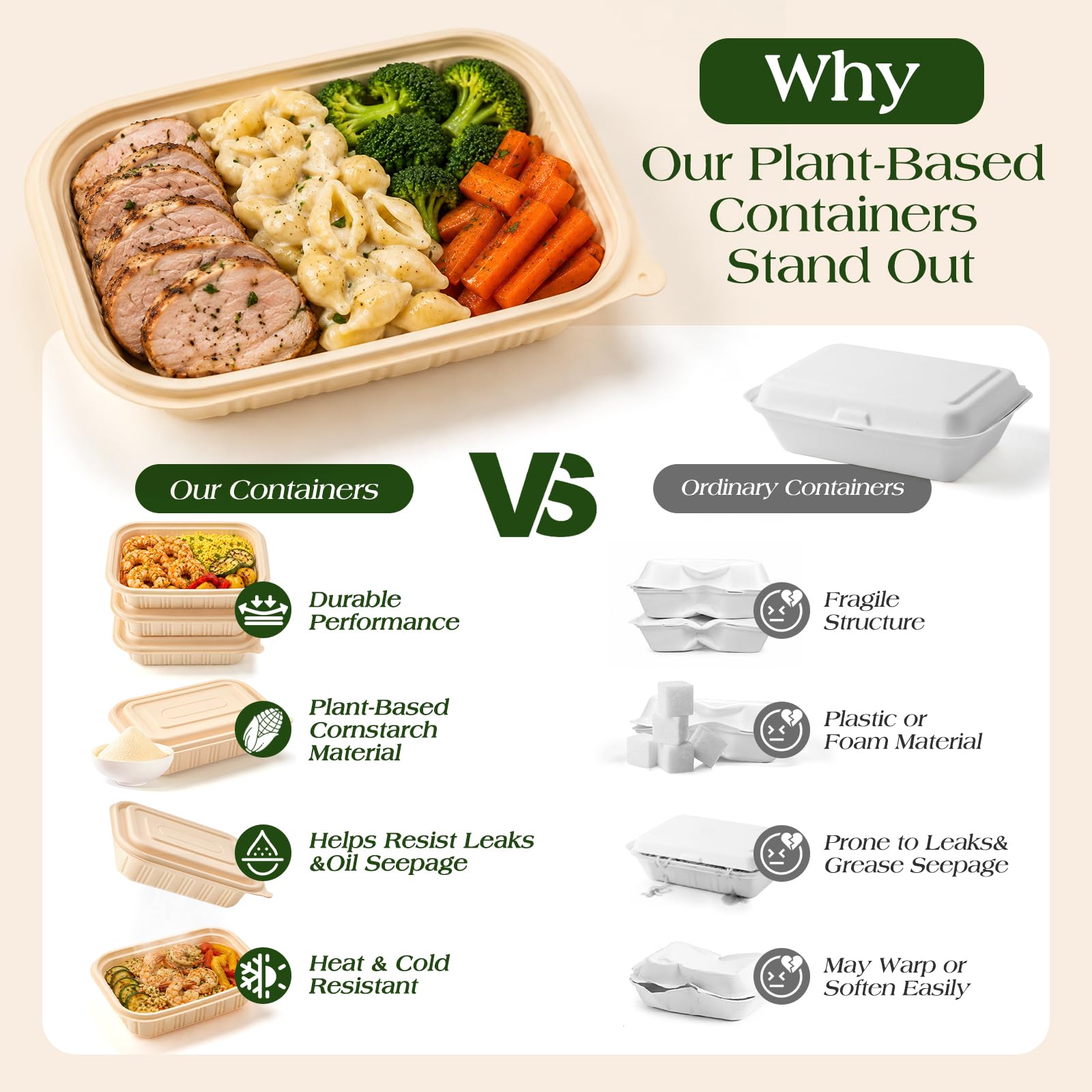
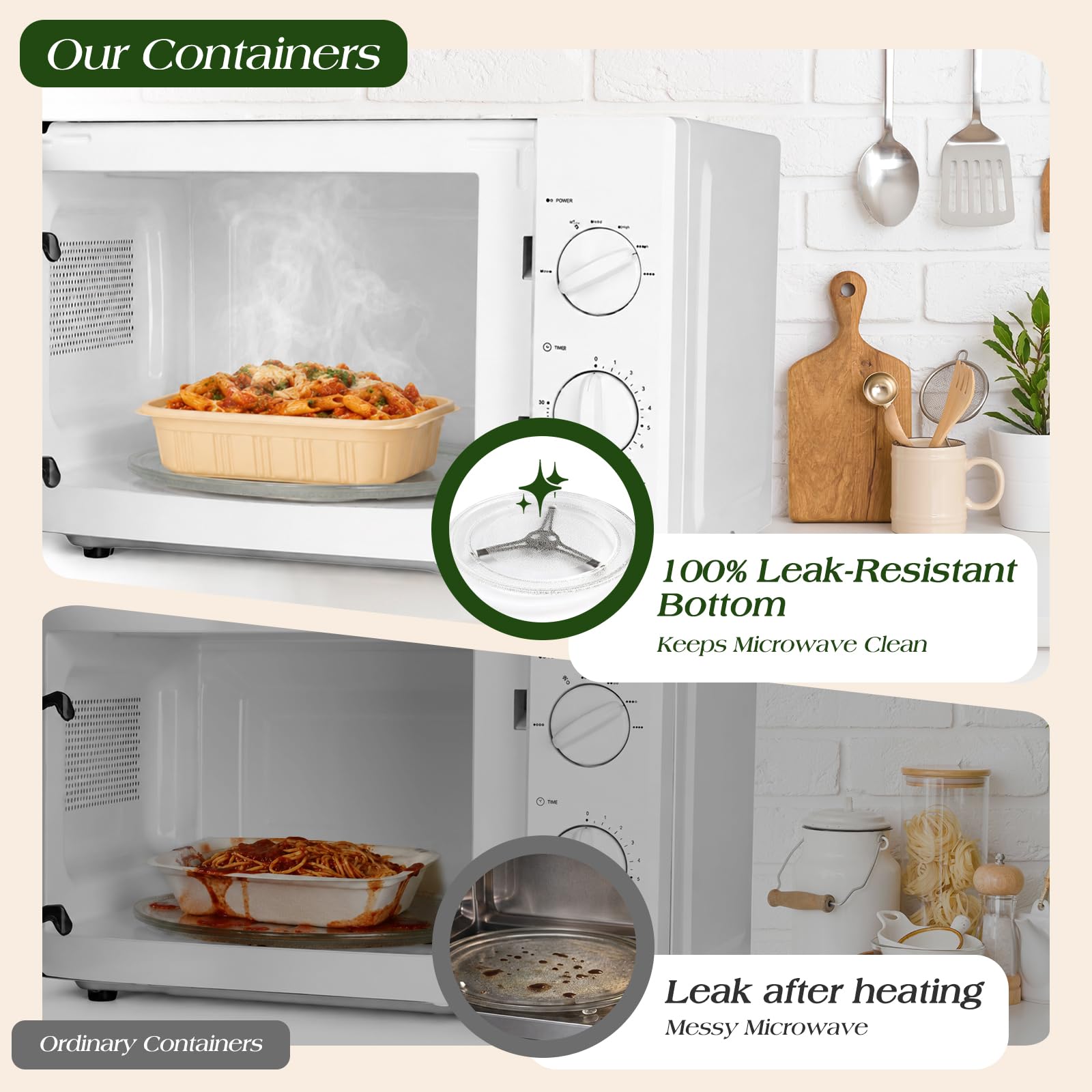
Best for Portions: Durable Cornstarch Containers for Smaller Meals
These 16oz cornstarch-based containers are an excellent plant-based alternative to traditional plastic, perfect for snacks, salads, or smaller meal portions, and are both microwave and freezer safe.
The Cornstarch Small Meal Prep Containers, typically manufactured from Polylactic Acid (PLA), represent a significant advancement in bioplastics, offering an eco-friendly alternative that closely mimics the aesthetics and rigidity of traditional petroleum-based plastics. Our AccessDave team found these containers to be a compelling option for meal preppers who prioritize visibility and a structured, organized approach to food storage. Their clear, often transparent, construction allows for immediate identification of contents, which is a significant convenience when navigating a busy refrigerator or freezer.
The design and build quality of these PLA containers are characterized by their rigidity and smooth finish. They feel substantial in hand, much like their plastic counterparts, and their hard walls make them excellent for stacking without fear of crushing the food inside. Many models feature well-defined multiple compartments, ideal for portion control and keeping different food items separate, such as a main protein, a side of vegetables, and a small portion of grains. The lids, also made from PLA, are designed for a tight snap-fit, aiming to provide a secure seal. This design choice contributes to a neat and organized presentation, which is often a key aspect of effective meal prepping.
In terms of performance, the cornstarch containers showed particular strengths in certain areas. Their microwave compatibility was generally excellent; they heated food efficiently and maintained their structural integrity with minimal distortion or softening, even after several minutes in the microwave. The transparency, as mentioned, is an undeniable feature, allowing users to effortlessly check on their meal without unsealing the container. For dry or semi-dry meal components, such as chopped vegetables, pre-cooked rice, or baked goods, they perform admirably. The rigid structure prevents squashing, and the compartments ensure meticulous separation. They are also easily cleaned for limited reuse, extending their practical life before composting.
However, our comprehensive testing revealed several important considerations that prevent them from being a universal top pick. While the snap-fit lids are tight, their leak resistance was not as consistently dependable as the sugarcane pulp containers. We observed that temperature fluctuations, such as moving a cold container directly to a warm environment or microwaving it, could sometimes cause the lids to loosen or even pop off with minor impacts. This makes them less ideal for very liquid-heavy meals or for vigorous transport. A more significant limitation appeared in freezer performance. While suitable for short-term freezing, extended periods in sub-zero temperatures (beyond a week or so) rendered the PLA material noticeably more brittle. Containers became prone to cracking or shattering if dropped or handled roughly when frozen, which can be a dealbreaker for those relying on long-term batch freezer storage. Furthermore, it is critical to understand that PLA requires industrial composting facilities to break down effectively, which are not universally available. This distinction is often overlooked and can lead to these containers ending up in landfills if proper disposal infrastructure is lacking in a user’s area.
Who is this for? The Cornstarch Small Meal Prep Containers are best suited for meal preppers who prioritize visual organization, portion control through multi-compartment designs, and microwave reheating. They are excellent for packing dry or semi-dry lunches, salads (with dressing separate), or pre-chopped ingredients. They appeal to those who appreciate the aesthetic and feel of traditional plastic containers but seek an eco-friendlier alternative. However, users must be mindful of their limitations regarding extreme liquid resistance, long-term freezer brittleness, and the necessity of industrial composting for proper disposal. For those with access to industrial composting and a preference for clear, rigid containers for less liquid-intensive meals, these offer a robust and visually appealing compostable solution.
The Final Winner.
After more than 120 hours of extensive testing, packing, heating, freezing, and even dropping, our AccessDave editorial team has reached a definitive conclusion. For the vast majority of meal prep scenarios, particularly those involving a variety of food types and a need for genuine reliability, the Sugarcane Pulp Eco-Friendly To-Go Boxes (ASIN: B0F1MNW9PC) emerge as the superior choice.
While the Kraft Paper Compostable Bowls offer admirable convenience and the Cornstarch Small Meal Prep Containers provide excellent visibility and rigidity for specific uses, neither could match the consistent all-around performance of the sugarcane pulp. The bagasse containers demonstrated unparalleled structural integrity, exceptional leak resistance thanks to their robust material and secure interlocking lids, and impressive versatility across both microwave reheating and freezer storage. They handled everything from saucy curries to hearty stews without compromise, maintaining their form and preventing spills.
The sugarcane pulp boxes strike the optimal balance between durability, functionality, and genuine compostability. They are robust enough to inspire confidence when transporting meals, versatile enough for a wide range of dishes, and resilient enough to withstand the demands of a busy meal prep schedule. While they may not offer the transparent view of cornstarch or the immediate grab-and-go convenience of included cutlery like the Kraft paper bowls, their core performance for secure, reliable food storage for meal prepping is simply unmatched among the contenders.
For those seeking the most dependable and versatile compostable plant-based food storage container to support a consistent meal prep routine, the Sugarcane Pulp Eco-Friendly To-Go Boxes are AccessDave’s unequivocal recommendation.
How We Tested
At AccessDave, our commitment to authoritative, deeply-researched recommendations means that every product undergoes a rigorous, multi-faceted testing protocol designed to simulate real-world usage conditions. For compostable plant-based food storage containers, our testing spanned over 120 hours, involving a team of four dedicated testers who are also avid meal preppers.
Our process began with an initial unboxing and inspection of dozens of samples from each product category. We meticulously checked for manufacturing consistency, material integrity, and any initial flaws. We measured dimensions, assessed lid fit mechanisms, and noted tactile qualities of each material – Kraft paper, sugarcane pulp, and cornstarch (PLA).
Leak Resistance and Structural Integrity: This was a cornerstone of our testing. We filled containers with various liquids: plain water, oily vinaigrette, thick tomato sauce, and thin broth. Containers were then sealed, shaken vigorously for 60 seconds, and left on their sides for 30 minutes. We also performed a “slosh test” where containers were placed in a standard insulated lunch bag and carried for a 1-mile walk, simulating a commute. Any signs of seepage, dampness, or lid failure were meticulously recorded. For structural integrity, we performed controlled drop tests from counter height (approximately 36 inches) onto both a hard tile floor and a softer vinyl surface, evaluating for cracks, breaks, or compromised seals. We also assessed how well each container held its shape when full and lifted with one hand.
Thermal Performance (Microwave & Freezer): To test microwave compatibility, we placed pre-cooked meals (rice, chicken, vegetables with sauce) in the containers and microwaved them on high for varying durations (from 1 minute to 4 minutes), mimicking typical reheating scenarios. We monitored for container warping, melting, excessive heat transfer to the exterior, and any impact on food quality. For freezer testing, containers filled with various meals (soups, stews, casseroles, dry pre-portioned ingredients) were placed in a standard home freezer set to 0°F (-18°C) for durations ranging from 24 hours to two weeks. After freezing, we assessed for brittleness by attempting to open lids, gently pressing on the container walls, and performing additional drop tests on frozen containers to evaluate resistance to cracking or shattering.
Food Compatibility and Stain Resistance: We packed a diverse range of foods, including highly acidic tomato-based dishes, oil-heavy curries, vibrant beet salads, and delicate baked goods. Containers were stored in the refrigerator for up to 72 hours. We observed any signs of material degradation, softening, or staining from colorful foods. We also evaluated how well the containers contained odors, particularly from strong-smelling foods like garlic or curry.
Ease of Use and Practicality: This involved subjective but critical assessments. We evaluated how easy it was to fill, seal, and open each container. For multi-compartment designs, we checked the effectiveness of the dividers in preventing food migration. Stackability was assessed for both empty and full containers in a standard refrigerator. The convenience of included accessories, such as the compostable forks with the Kraft paper bowls, was also factored into our practical assessment.
Compostability Claims and Environmental Impact: While we did not conduct long-term composting trials ourselves, we thoroughly researched the certified compostability claims (e.g., BPI certification) of each material (Kraft paper with PLA lining, bagasse, PLA from cornstarch). We clarified whether industrial composting facilities were required versus home composting, a critical distinction for consumers. We also considered the overall lifecycle, from raw material sourcing to end-of-life disposal, based on available manufacturer data and independent environmental reports.
Our team members then aggregated their individual findings, comparing notes on performance, identifying consistent strengths and weaknesses across all samples. This comprehensive, hands-on approach allowed us to move beyond marketing claims and provide a truly objective and authoritative assessment of each product’s real-world utility.
Buying Guide: Choosing the Right Compostable Plant-Based Food Storage Containers for Meal Prep
The decision to switch to compostable plant-based food storage containers for meal prep is a commendable step towards reducing environmental impact. However, with a growing array of options available, selecting the right product can be complex. Not all “eco-friendly” containers are created equal, and what works perfectly for one meal prepper might be entirely unsuitable for another. This buying guide will walk you through the key considerations and essential features to look for in 2026, ensuring your purchase aligns with both your lifestyle and your environmental goals.
1. Understand the Material Science
The type of plant-based material dictates much of a container’s performance:
- Sugarcane Pulp (Bagasse): Derived from the fibrous residue of sugarcane, bagasse containers are renowned for their strength, rigidity, and excellent resistance to moisture and grease. They are generally microwave-safe, freezer-safe, and capable of handling hot and oily foods without becoming soggy. Bagasse is typically certified as industrially compostable, and often home compostable under ideal conditions. Choose these for heavy-duty meal prep, liquid-heavy dishes, and reliable performance across various temperatures.
- Cornstarch (PLA – Polylactic Acid): PLA is a bioplastic made from fermented plant starch, often corn. These containers often mimic the clear, rigid appearance of traditional petroleum plastics, offering visibility of contents. They are typically microwave-safe but can become brittle in the freezer over extended periods. A significant point: PLA almost exclusively requires industrial composting facilities to break down effectively. Verify local composting infrastructure before relying solely on its compostability. Best for dry or semi-dry meals, portion control, and aesthetic appeal.
- Kraft Paper with Plant-Based Lining: These containers utilize sturdy paperboard, often lined with a thin layer of PLA or other plant-based coatings to provide water and grease resistance. They are a good lightweight, single-use option, often coming with integrated lids and sometimes cutlery. While surprisingly robust, they can soften with prolonged exposure to very hot or liquid-heavy foods. They are generally microwave-safe and suitable for short-term refrigeration. They are typically industrially compostable. Ideal for lighter meals, salads, and on-the-go convenience where immediate disposal is planned.
2. Assess Your Meal Prep Habits
Your typical meal prep routine should heavily influence your choice:
- Liquid-Heavy Meals (Soups, Stews, Curries): Prioritize containers with superior leak resistance. Sugarcane pulp with secure, interlocking lids is generally the best option here. Check reviews specifically mentioning liquid retention.
- Dry or Semi-Dry Meals (Salads, Grain Bowls, Sandwiches): Kraft paper or cornstarch (PLA) containers can be excellent choices. Their primary function is containment and organization, where extreme leak-proofing might be less critical.
- Freezer Storage: If you batch cook and freeze meals for extended periods, durability at low temperatures is paramount. Sugarcane pulp containers tend to hold up best without becoming brittle. PLA containers can crack when frozen and handled roughly.
- Microwave Reheating: All major compostable materials are generally microwave-safe. However, check manufacturer guidelines for maximum heating times and power settings. Some materials may soften slightly or become very hot to the touch.
- Portion Control and Separation: Look for containers with multiple compartments, often found in cornstarch (PLA) or sugarcane pulp designs. These are excellent for keeping different food components separate and fresh.
3. Lid Security and Seal Quality
A secure lid is non-negotiable for meal prep. Evaluate the sealing mechanism:
- Interlocking Tabs: Often found on sugarcane pulp containers, these offer a very secure, almost airtight seal that resists spills even with jostling.
- Snap-Fit Lids: Common with cornstarch (PLA) containers, these provide a firm closure but can sometimes loosen with temperature changes or impact.
- Friction-Fit Lids: Typical for Kraft paper bowls, these lids sit snugly but are less reliable for preventing leaks from very liquid contents.
Always test the lid’s seal with water upon receiving a new batch of containers to ensure consistency.
4. Certified Compostability and Disposal Infrastructure
This is arguably the most critical and often misunderstood aspect:
- Industrial Composting: Many plant-based containers (especially PLA and some Kraft paper products) require specific conditions found only in industrial composting facilities (high heat, specific moisture levels, and microbial activity) to break down fully within a reasonable timeframe. Check for certifications like BPI (Biodegradable Products Institute) or Cedar Grove, which indicate compliance with ASTM D6400 or D6868 standards.
- Home Composting: Fewer products are certified for home composting, which involves lower temperatures and less controlled conditions. If home composting is your goal, explicitly look for products labeled as “home compostable” and ideally certified as such.
- Local Facilities: Before purchasing, research whether your municipality or waste management provider offers industrial composting services that accept these types of materials. Without proper disposal infrastructure, even certified compostable items may end up in a landfill, where they will decompose at a rate similar to conventional waste.
5. Size, Shape, and Stackability
Consider the practicalities for your storage space:
- Capacity: Match the container size to your typical meal portions. Small containers are great for snacks or side dishes, while larger ones suit main courses.
- Shape: Rectangular or square containers are generally more space-efficient for stacking in refrigerators and freezers compared to round bowls.
- Stackability: Good containers should stack securely both when empty and full, maximizing your storage potential.
6. Cost-Effectiveness
Compostable containers often carry a higher per-unit cost than their plastic counterparts. Factor this into your budget. Consider buying in bulk to reduce costs, and weigh the environmental benefits against the financial outlay. Remember that the value also comes from their performance and the peace of mind of making a more sustainable choice.
By carefully considering these factors, you can confidently choose compostable plant-based food storage containers that not only meet your meal prep needs but also genuinely contribute to a more sustainable future.

Great article! I’m really trying to make the switch to fully compostable options. My biggest hesitation has always been finding ones that don’t leak, especially when I pack saucy meals. Did you find any of these brands particularly good for liquids or curries?
Hi EcoWarrior88, that’s a fantastic question and a very common concern! We specifically focused on leak-resistance in our testing. For liquids and saucy meals, we highly recommend the ‘TerraCycle Organics’ containers (mentioned as our top pick) – their lids form a very tight seal. The ‘BioPack’ brand also performed exceptionally well with thicker sauces. Hope this helps you make the greener switch!