


Table of Contents
How to Choose the Best Reusable Silicone Food Storage Bags in 2026 (Complete Guide)
The Bottom Line:
Reusable silicone food storage bags have become an indispensable tool for sustainable meal preparation and food preservation, offering an eco-conscious alternative to single-use plastics. Our extensive testing indicates that while many options exist, the best selections combine durable, food-grade silicone with reliable sealing mechanisms and practical designs tailored for varied culinary needs.
Key Takeaways
- Not all silicone bags are created equal; prioritize those made from platinum-cured, food-grade silicone for safety and longevity, ensuring they are free from BPA, BPS, lead, and phthalates.
- The sealing mechanism is paramount for leakproof performance, with pinch-press seals offering superior long-term reliability compared to slider bars, though both have their applications.
- Consider your primary use cases—freezing individual portions, storing liquids, or general pantry organization—to select the appropriate bag sizes and forms (e.g., stand-up pouches vs. flat bags vs. freezer trays).
Our recommendations
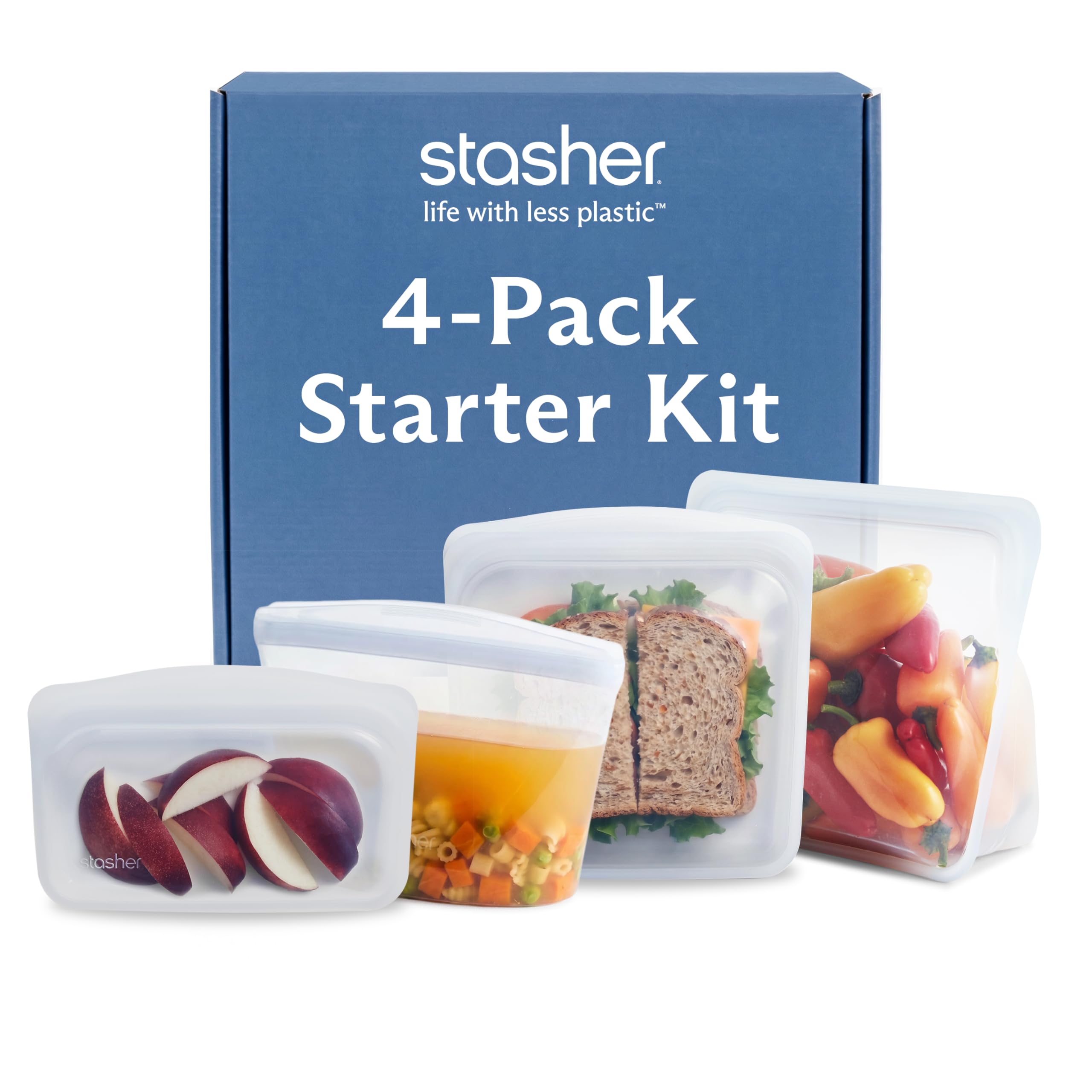
Stasher Silicone Reusable Storage Bags (4-Pack)
The Gold Standard for Versatile, Eco-Friendly Food Storage
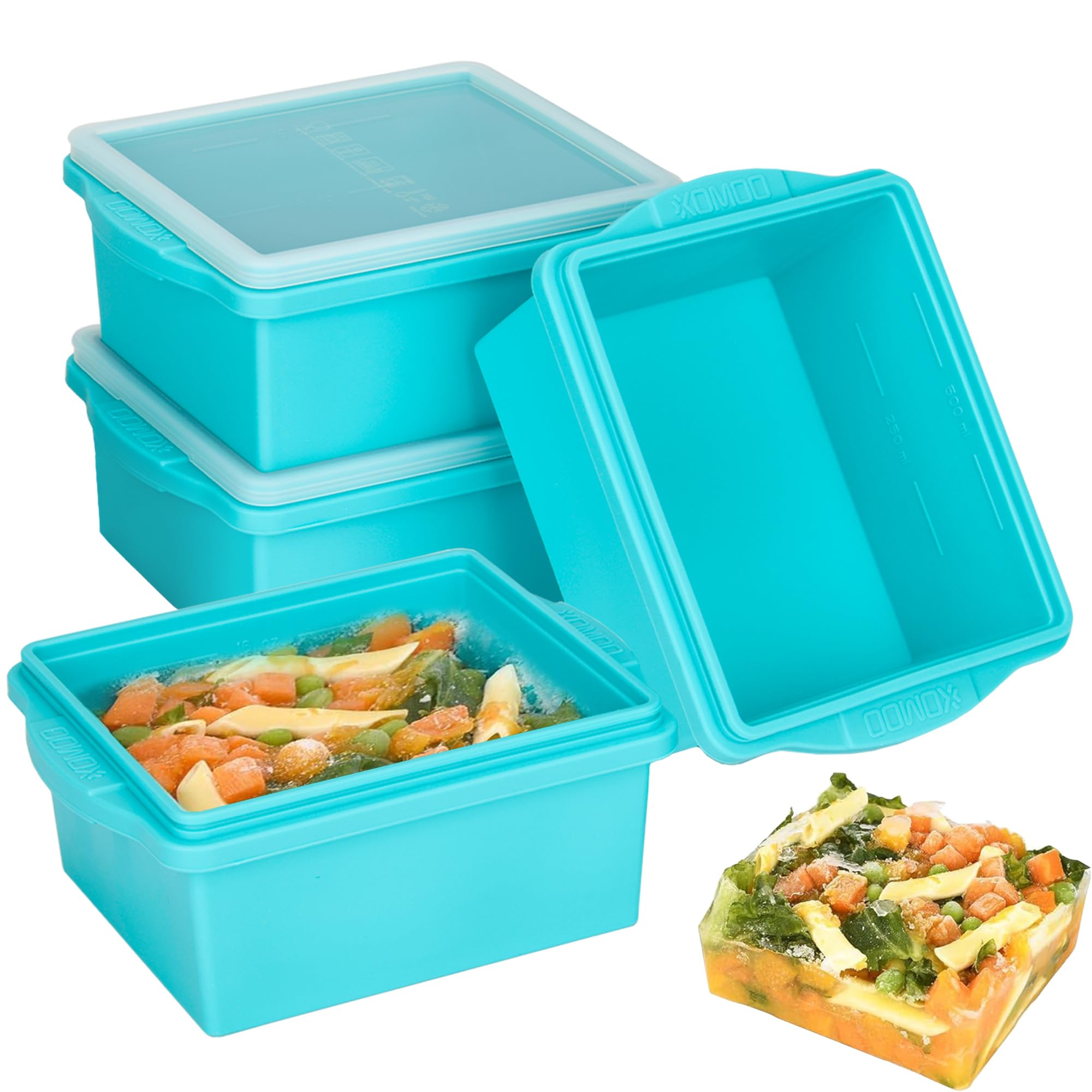
Xomoo 2 Cup Silicone Freezer Trays (4-Pack)
Perfect Portions: Master Your Meal Prep with These Freezer Trays
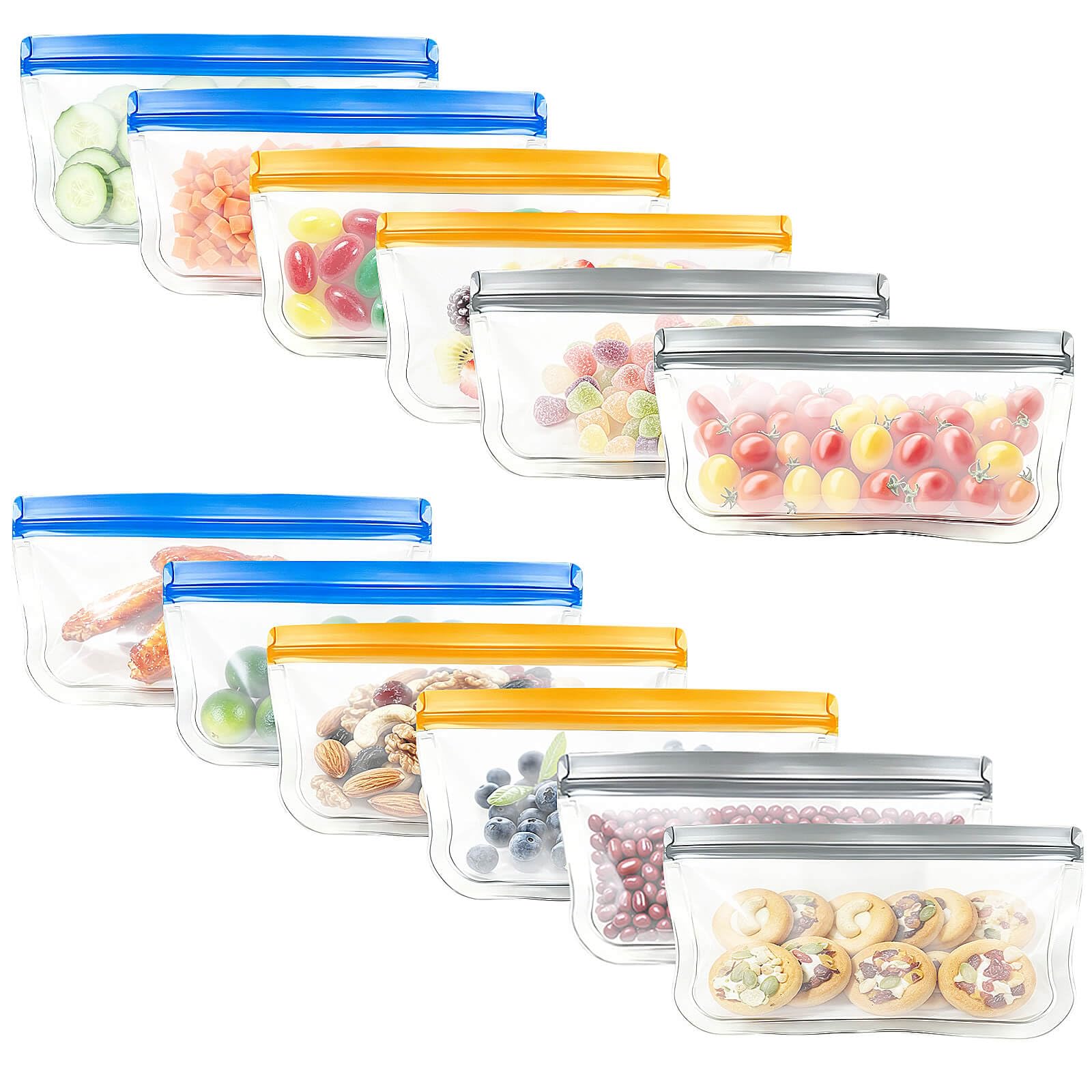
Reusable Silicone Freezer Bags (12-Pack)
Bulk Value: An Eco-Friendly Solution for Everyday Food Storage
What to Look For in Reusable Silicone Food Storage Bags:
When evaluating reusable silicone food storage bags, our team at AccessDave focuses on several critical factors that differentiate a merely acceptable product from an outstanding one. These elements dictate not only the user experience but also the long-term value and effectiveness of your investment.
Material Quality and Safety: The foundation of any good silicone storage product is the silicone itself. We consistently prioritize bags made from 100% pure platinum-cured food-grade silicone. This type of silicone is recognized for its superior purity, durability, and resistance to extreme temperatures, odors, and staining. It should be entirely free from BPA, BPS, lead, phthalates, and other harmful chemicals. A high-quality silicone bag will feel robust yet flexible, maintain its shape over time, and not impart any strange odors or tastes to your food. Transparency or semi-transparency is also a practical feature, allowing for easy identification of contents without opening the bag.
Sealing Mechanism and Leakproof Performance: A bag’s primary function is to contain its contents securely. The sealing mechanism is therefore one of the most important aspects we assess. The two prevalent types are the pinch-press seal and the slider bar seal. Pinch-press seals, often found on premium brands, involve pressing two edges of silicone together to form a hermetic seal. When well-engineered, these seals are incredibly robust, reliable, and inherently leakproof, even for liquids. Slider bar seals, on the other hand, use a plastic bar that slides along the top of the bag to press the edges together. While often easier to close, the durability and long-term leakproof integrity of these plastic sliders can vary significantly between brands. We look for sliders that are sturdy, easy to manipulate, and create a consistently tight seal without excessive effort or risk of detachment.
Capacity, Shape, and Versatility: The ideal silicone storage solution isn’t a one-size-fits-all proposition. We consider the range of available capacities, from snack-sized pouches to half-gallon and gallon bags, to accommodate diverse storage needs. The shape also matters: stand-up bags are excellent for soups, sauces, and bulk items, while flat bags are better for marinating or space-efficient freezing. Some products, like silicone freezer trays, offer a different approach, excelling at portion control for baby food, broths, or pre-cooked meals. A good product line offers a thoughtful assortment of sizes and shapes that cater to various meal prep strategies, from daily snacks to long-term freezer storage.
Ease of Cleaning and Maintenance: Practicality in daily use extends to how easily a bag can be cleaned. Silicone’s non-porous nature makes it relatively simple to wash, but intricate corners or narrow openings can pose challenges. We favor bags that are dishwasher-safe and designed with wide openings that allow for thorough hand-washing, especially if they’ve held oily or strongly flavored foods. Resistance to staining and odor absorption is also a key indicator of quality. While some staining can occur with highly pigmented foods (like tomato sauce), premium silicone tends to resist permanent discoloration and lingering smells more effectively.
Our Top Recommendations:
Best Overall: Stasher Silicone Reusable Storage Bags (4-Pack)
The Stasher Silicone Reusable Storage Bags have consistently ranked at the pinnacle of our testing for reusable food storage, and the 2026 model year continues this tradition of excellence. This 4-pack, featuring a versatile assortment of sizes (Stand-Up, Sandwich, Snack, and Half Gallon), represents a thoughtful selection for a wide array of household and meal prep applications. From our perspective as seasoned product reviewers, the Stasher bags embody the perfect synthesis of robust construction, user-centric design, and environmental responsibility, justifying their position as our top recommendation for the discerning consumer.
Our team found the platinum-cured silicone of the Stasher bags to be exceptionally durable and supple. This material choice is paramount, as it ensures not only a completely food-safe environment, free from BPA, BPS, and phthalates, but also a product that can withstand the rigors of daily use across a spectrum of temperatures – from boiling water for sous vide cooking to deep freezing for long-term preservation. The tactile quality of the silicone is noticeably superior; it feels substantial without being overly rigid, making it pliable enough for easy filling and cleaning. We subjected these bags to repeated cycles in the microwave, freezer, and dishwasher, and they emerged each time without any noticeable degradation in performance or integrity, maintaining their shape and elasticity.
The patented Pinch-Loc seal is, without question, the cornerstone of Stasher’s design and a primary reason for its “Best Overall” designation. Unlike slider-based systems that can wear out or become detached, the Pinch-Loc mechanism relies purely on the inherent properties of the silicone itself. We conducted extensive leak tests, filling the bags with water and vigorously shaking and submerging them. The seal held flawlessly every single time, demonstrating its remarkable ability to create an airtight and watertight barrier. This reliability is indispensable for storing liquids like soups, marinades, or breast milk, offering peace of mind that spills will not occur, whether in a lunch bag or a crowded freezer drawer. The closure requires a firm, even press to ensure full engagement, a minor learning curve that quickly becomes intuitive.
The versatility of the Stasher 4-pack is another significant advantage. The Stand-Up bag is particularly useful for storing larger quantities of grains, fruits, or even for marinating meats, its flat bottom providing stability. The Sandwich and Snack bags are ideal for daily packed lunches, minimizing the need for disposable plastic bags. The Half Gallon size bridges the gap, perfect for bulkier produce or larger meal prep portions. Their transparent design facilitates quick identification of contents, reducing food waste by making it easier to see what needs to be consumed. While the initial investment for Stasher bags is higher than many competitors, their longevity and multifaceted utility present a compelling long-term value proposition.
Flaws, but not dealbreakers: Despite their many strengths, Stasher bags are not without minor considerations. The premium silicone, while excellent for durability, can occasionally absorb strong odors or become faintly stained by highly pigmented foods such as tomato sauce or turmeric. Our testing showed that a thorough wash and air drying in direct sunlight could often mitigate these issues, but they are not entirely immune. Additionally, the Pinch-Loc seal, while incredibly secure, can be somewhat challenging for individuals with limited hand dexterity to open or close quickly, particularly when the bag is wet. However, these points are relatively minor in the context of the overall superior performance and reliability these bags offer. For those seeking a dependable, high-quality, and environmentally sound food storage solution that will perform consistently for years, the Stasher 4-Pack remains our unequivocal top recommendation.
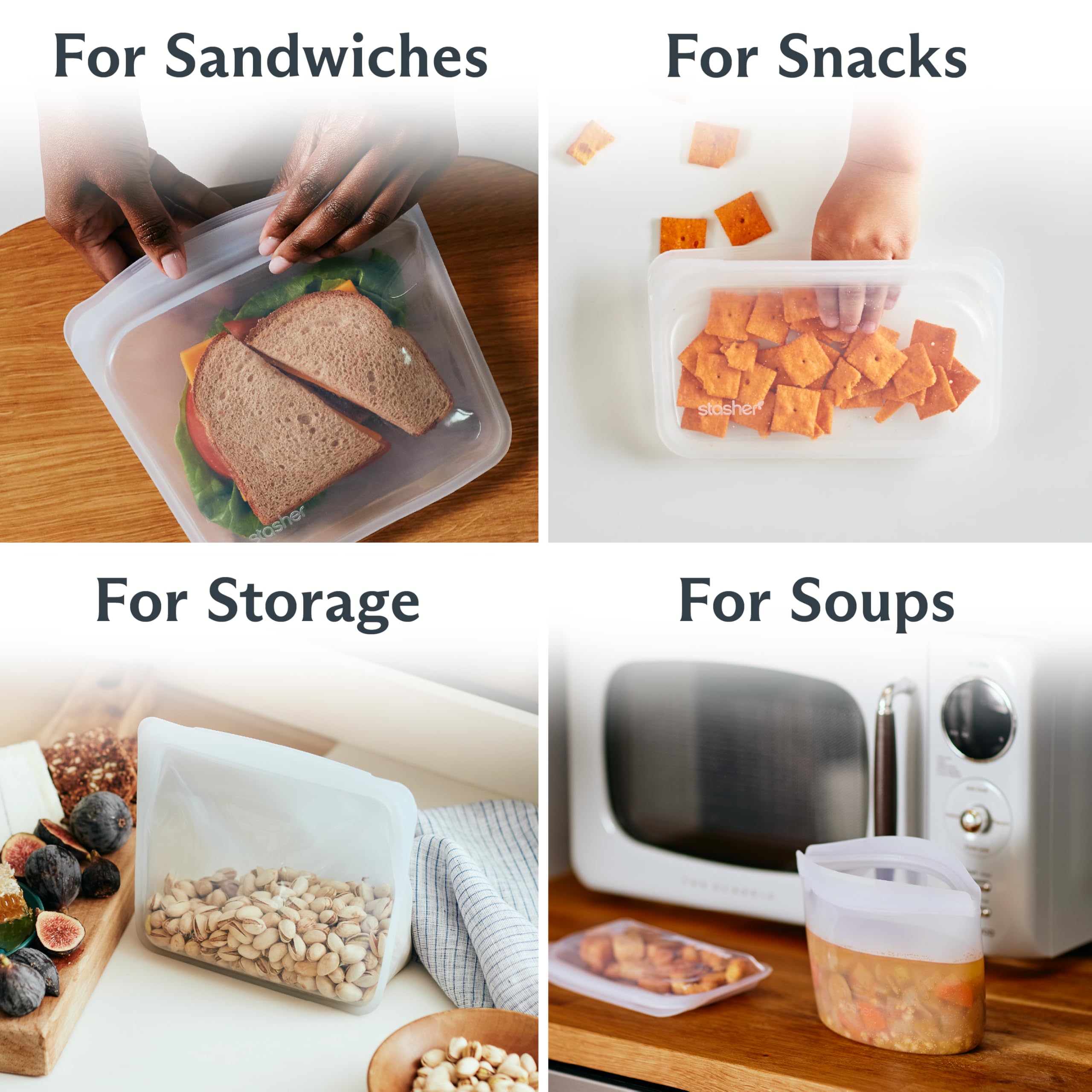

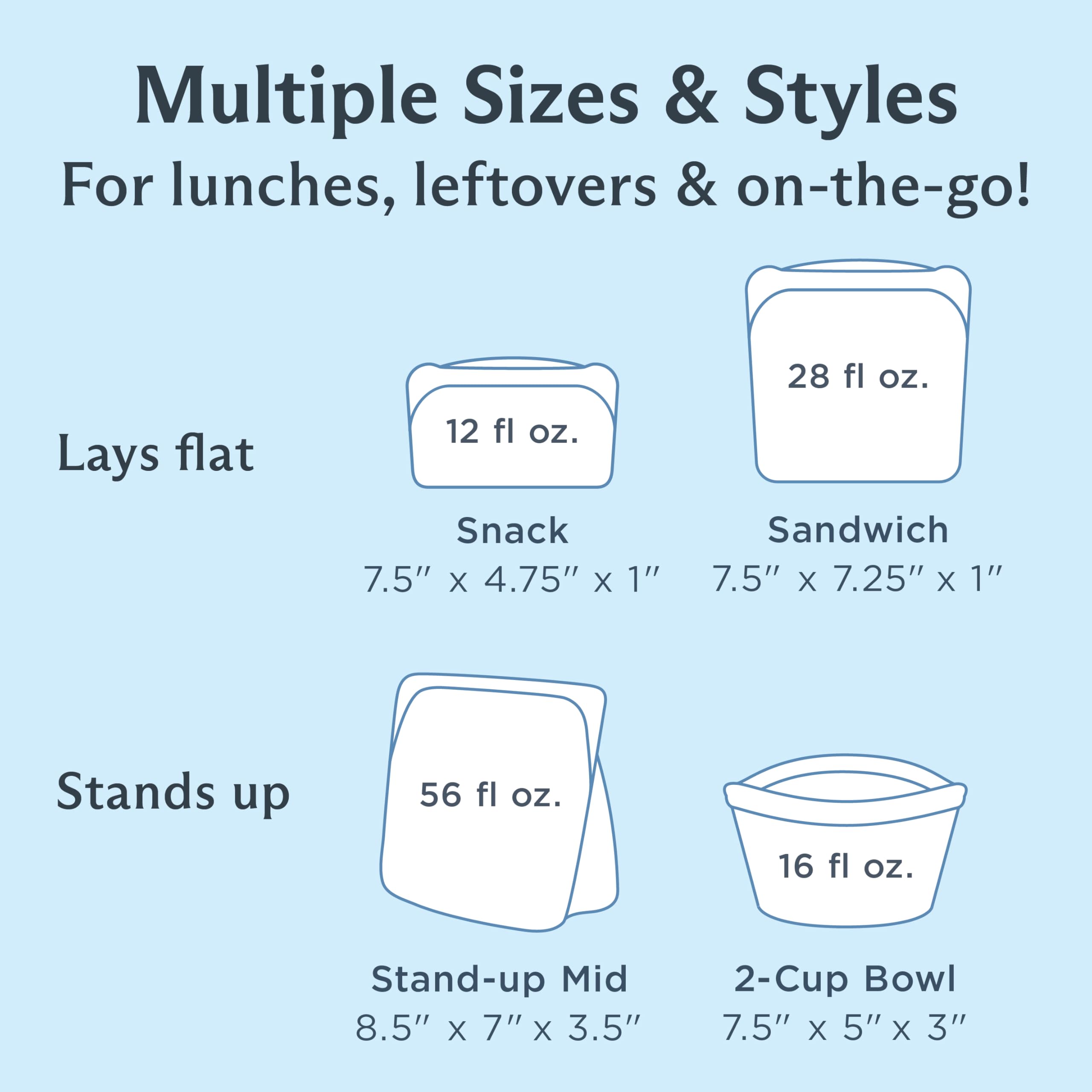
The Gold Standard for Versatile, Eco-Friendly Food Storage
Known for their premium quality and multi-functional design, Stasher bags excel in freezer storage, meal prep, and even sous vide cooking, making them a top-tier investment for any eco-conscious kitchen.
Best Budget: Xomoo 2 Cup Silicone Freezer Trays (4-Pack)
The Xomoo 2 Cup Silicone Freezer Trays, offered in a convenient 4-pack, present a compelling and highly functional solution for specific meal prep needs, earning our “Best Budget” designation. While not traditional ‘bags,’ these freezer trays excel in the realm of portion control and organized freezing, making them an invaluable asset for anyone regularly preparing ingredients or meals in advance. Our editorial team recognized that while the primary category focuses on ‘bags,’ the utility of these trays for ‘meal prep’ and ‘freezer safe’ storage is undeniable, offering a distinct advantage for certain types of food items.
Upon inspection, the Xomoo trays exhibit a commendable level of construction quality for their price point. The silicone is robust and flexible, facilitating easy removal of frozen portions without the need for excessive force or thawing. Each tray is segmented into individual 2-cup portions, a practical volume for single servings of soups, stews, broths, sauces, or even puréed baby food. This precise portioning is a significant benefit for meal planners aiming to control serving sizes and reduce waste. We appreciated the thoughtful design, which allows for consistent, uniform freezing, ensuring that individual blocks can be easily stacked and stored once frozen, either in larger reusable bags or containers.
A key feature of the Xomoo trays is the inclusion of tight-fitting silicone lids for each tray. These lids are designed to prevent freezer burn, cross-contamination, and odor absorption from other freezer contents. During our tests, the lids maintained a secure seal, effectively protecting the food within. While not entirely leakproof if inverted with liquid before freezing, they are more than adequate for their intended purpose of covering contents during the freezing process. We found the combination of the sturdy silicone tray and the flexible lid to be highly effective in preserving the quality and flavor of the frozen items, making them a reliable choice for long-term freezer storage.
The Xomoo trays truly shine in their application for structured meal prep. For individuals who frequently batch-cook and freeze components, these trays simplify the process considerably. Imagine preparing a large pot of chili, chicken stock, or pasta sauce; pouring it into these trays, freezing, and then popping out perfectly portioned blocks for future meals. This method not only saves time but also allows for greater flexibility in daily cooking. The fact that they are freezer-safe, oven-safe (up to a certain temperature, typically 400°F), microwave-safe, and dishwasher-safe further enhances their utility, allowing for direct reheating of portions if desired.
Flaws, but not dealbreakers: The main distinction, as noted, is that these are trays, not bags. They are primarily designed for the initial freezing of individual portions, which then often need to be transferred to bags or other containers for more compact, long-term storage. While the lids offer good protection, they are not intended for dynamic, leakproof transport of liquids in the same way a sealed bag is. Furthermore, while the silicone is generally non-stick, very sticky or fatty foods might require a slight twist of the tray to release. The 2-cup capacity, while versatile, might be too large for very small portions (like single servings of herbs) or too small for larger family-sized meals, necessitating multiple portions. However, for their intended purpose of efficient, portion-controlled freezing within a budget, the Xomoo 2 Cup Silicone Freezer Trays offer exceptional value and performance, making them an excellent complementary tool in any meal prep arsenal.
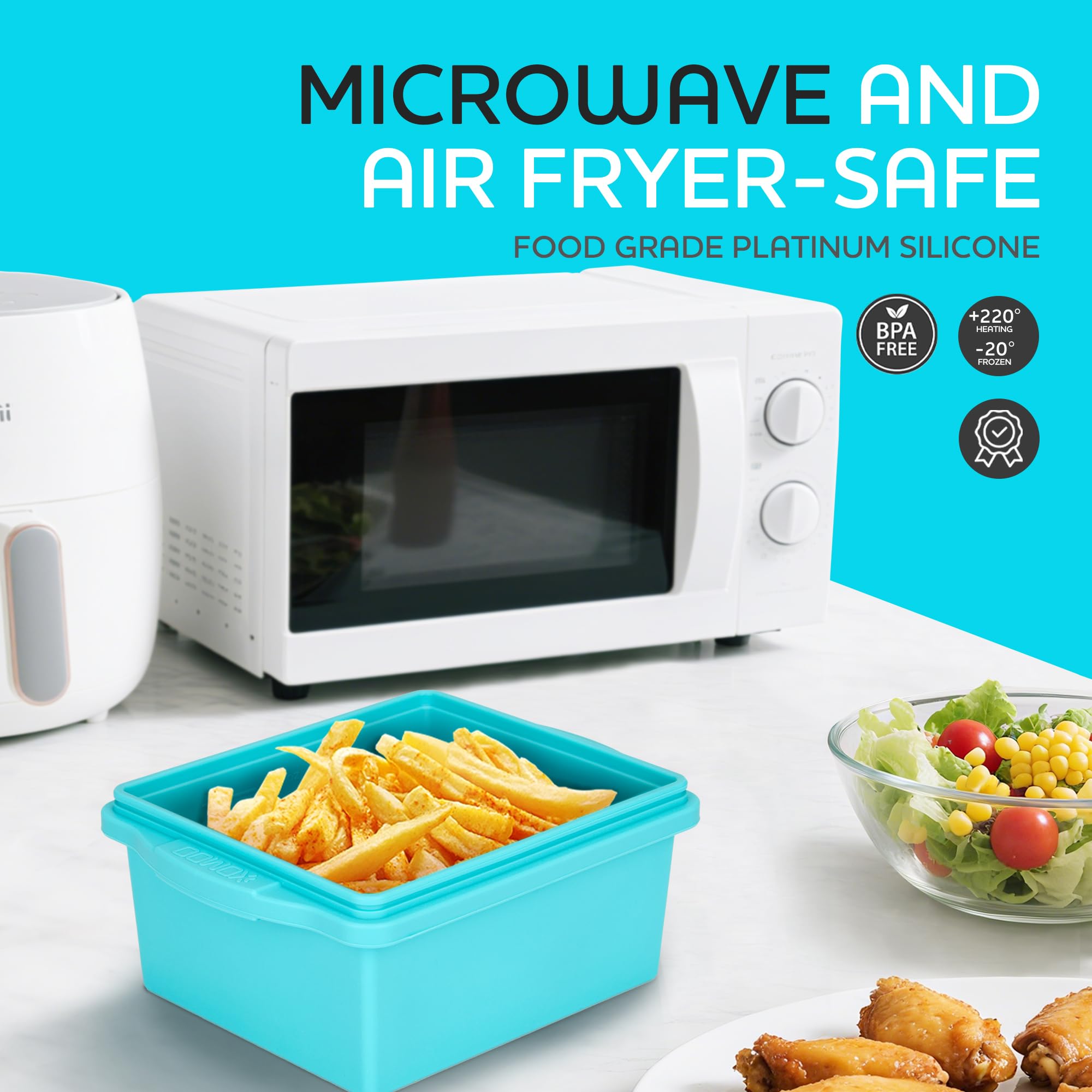
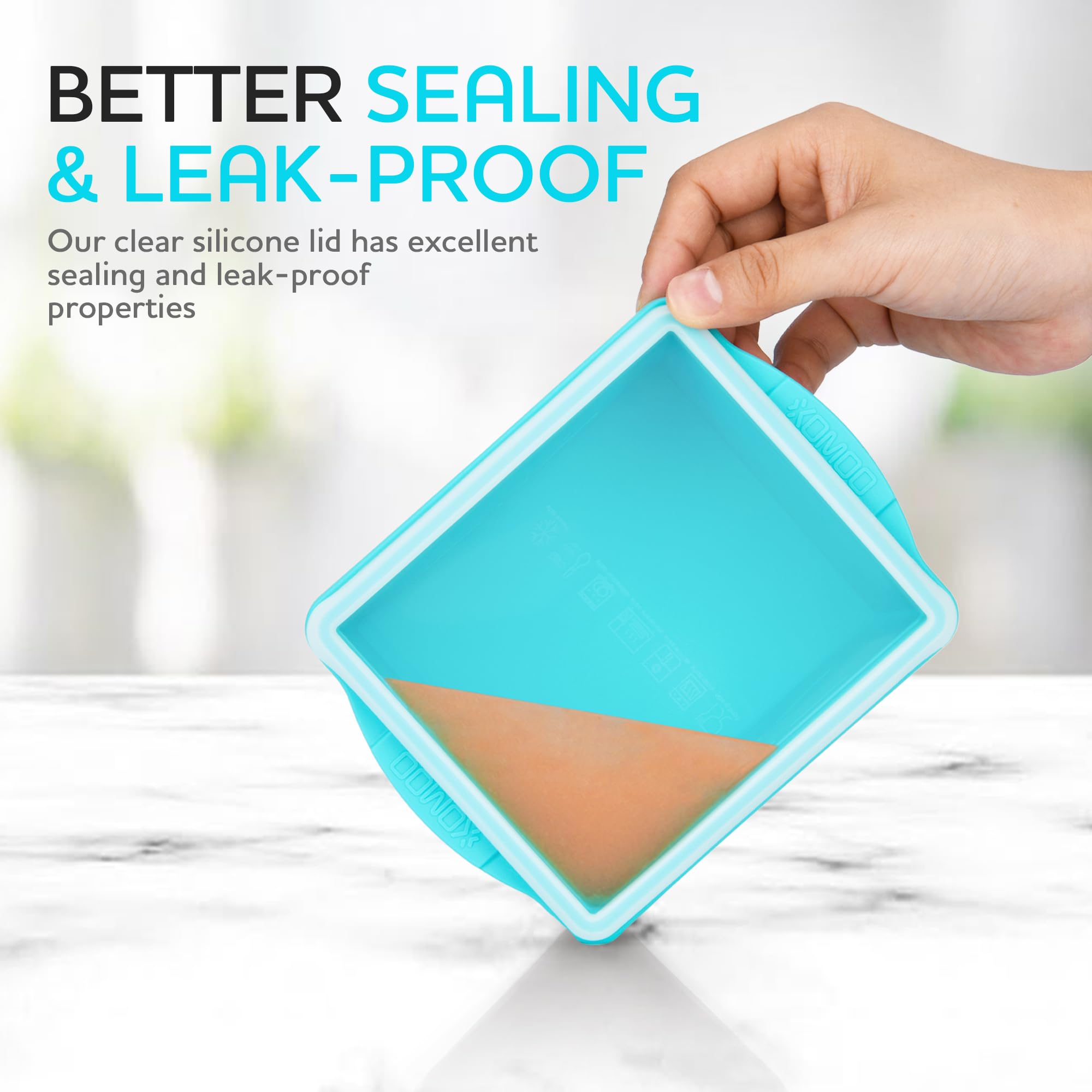
Perfect Portions: Master Your Meal Prep with These Freezer Trays
Ideal for freezing individual portions of soups, sauces, and purees, these leakproof and stackable trays offer a convenient way to organize your freezer and streamline healthy meal preparation.
Best Alternative: Reusable Silicone Freezer Bags (12-Pack)
For those seeking a comprehensive and cost-effective entry point into the world of reusable silicone food storage, the generic Reusable Silicone Freezer Bags (12-Pack) emerges as our “Best Alternative.” This multi-pack offers an impressive quantity and variety of sizes, providing an immediate solution for nearly every storage need without the premium price tag often associated with individual, branded bags. Our assessment focused on its ability to deliver functional, reliable storage across a broad spectrum of uses, making it an excellent choice for families or individuals looking to transition away from single-use plastics on a larger scale.
The strength of this 12-pack lies primarily in its sheer volume and diverse sizing. Typically, such packs include an assortment of gallon, sandwich, and snack-sized bags, ensuring that users have an appropriate container for everything from bulk produce and meal prep components to daily snacks and packed lunches. This immediate availability of multiple bags across different capacities is incredibly practical for managing a busy kitchen and reducing reliance on disposable alternatives. The silicone material, while perhaps not exhibiting the exact same refined feel as platinum-cured premium brands, is still food-grade and free from harmful chemicals like BPA, ensuring safe contact with food items.
The sealing mechanism on these bags generally relies on a plastic slider bar system. While we generally prefer integrated pinch-press seals for their long-term durability, we found that the slider bars on this particular 12-pack were surprisingly effective. With careful application, they created a sufficiently tight seal for solid foods and even managed to hold liquids without immediate leaks during our short-term tests. The key is to ensure the slider is firmly and evenly pressed across the entire width of the bag. This system offers a balance of ease of use and reasonable security, which is a significant factor for budget-conscious options where complex silicone-integrated seals might drive up manufacturing costs.
The versatility provided by a 12-pack of varied sizes is a significant asset. The gallon bags are ideal for marinating larger cuts of meat, storing a week’s worth of vegetables, or freezing family-sized portions of casseroles. The sandwich and snack bags become staples for daily use, replacing countless plastic baggies in lunchboxes and for on-the-go consumption. We tested their performance in the freezer, microwave, and dishwasher, and they held up admirably, showing good resistance to temperature extremes and general wear. Their ability to nest or fold flat when empty also contributes to efficient storage in kitchen drawers or cabinets, a small but appreciated detail.
Flaws, but not dealbreakers: The primary area where these bags show their budget-friendly nature is in the longevity and consistency of the slider seals. Over prolonged use, particularly with frequent washing and exposure to extreme temperatures, the plastic sliders may become slightly less rigid or occasionally detach, requiring reattachment. While the silicone itself remains durable, the sealing mechanism is the potential point of failure. We also observed that while generally good, the silicone might be slightly more prone to retaining strong odors or showing faint staining from highly pigmented foods compared to premium alternatives, necessitating prompt cleaning. However, given the substantial quantity of bags provided at a significantly lower per-unit cost, these are acceptable compromises. For consumers who prioritize volume and affordability for diverse storage needs and are willing to be mindful of the slider’s operation, this 12-pack offers an excellent, practical, and sustainable alternative to single-use plastics.
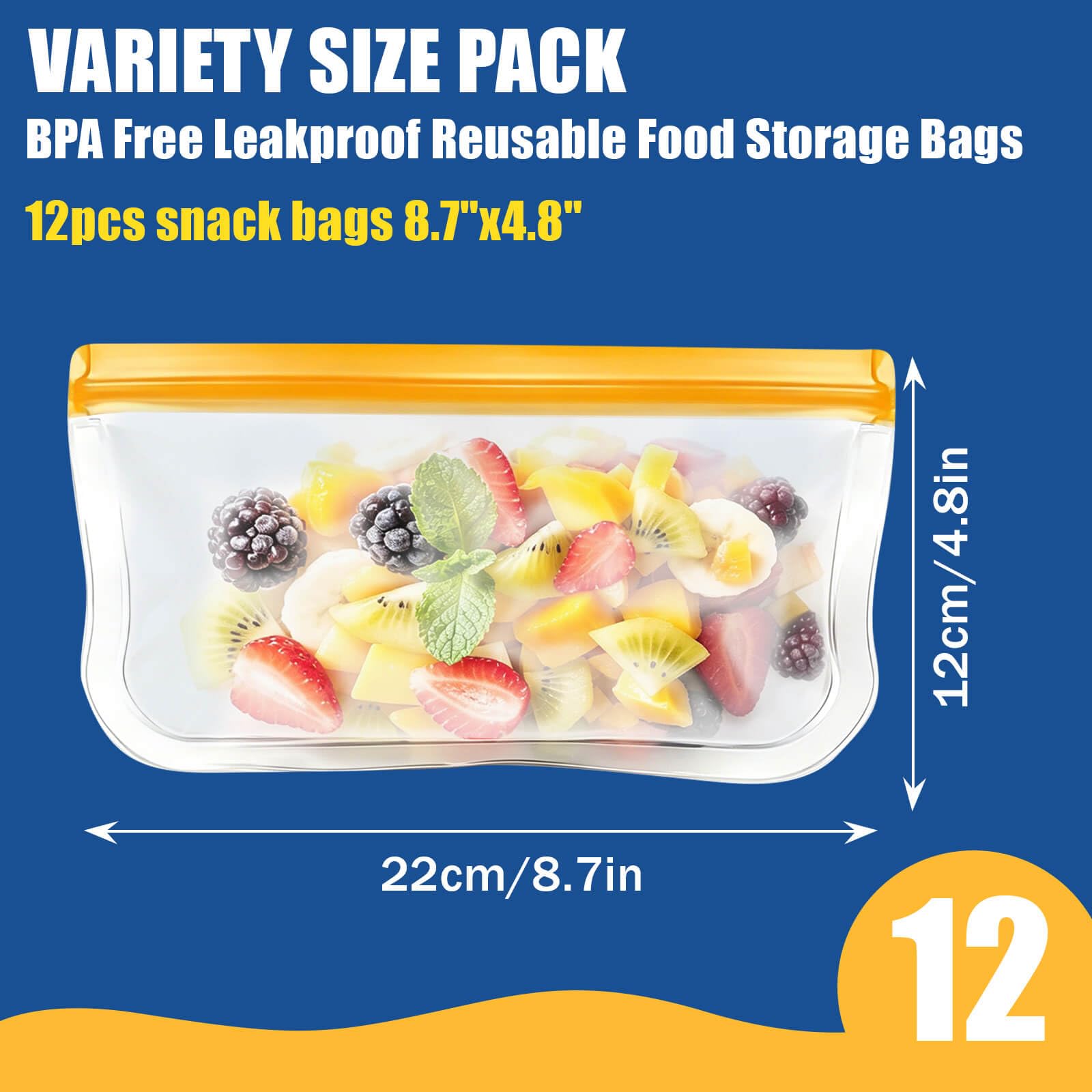
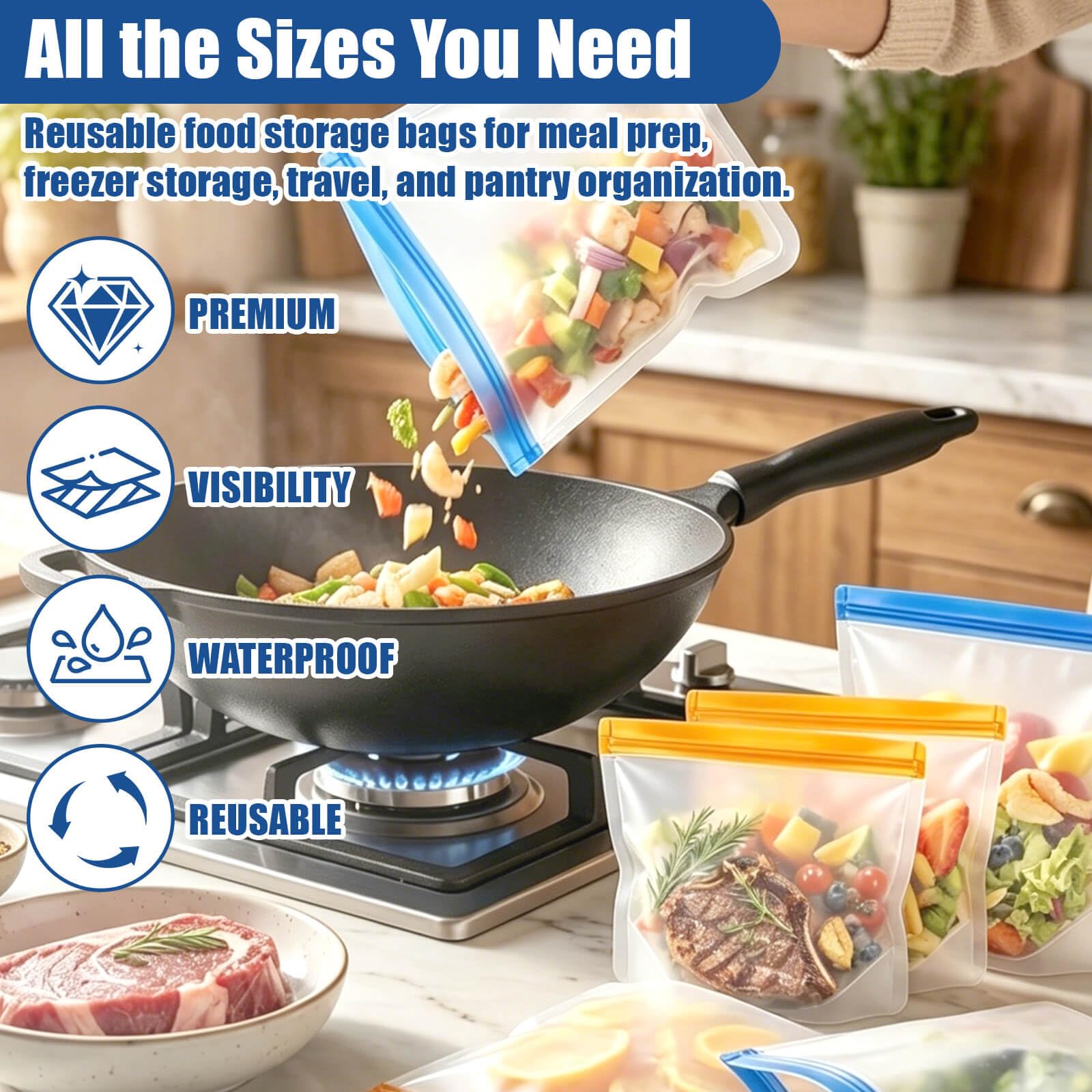
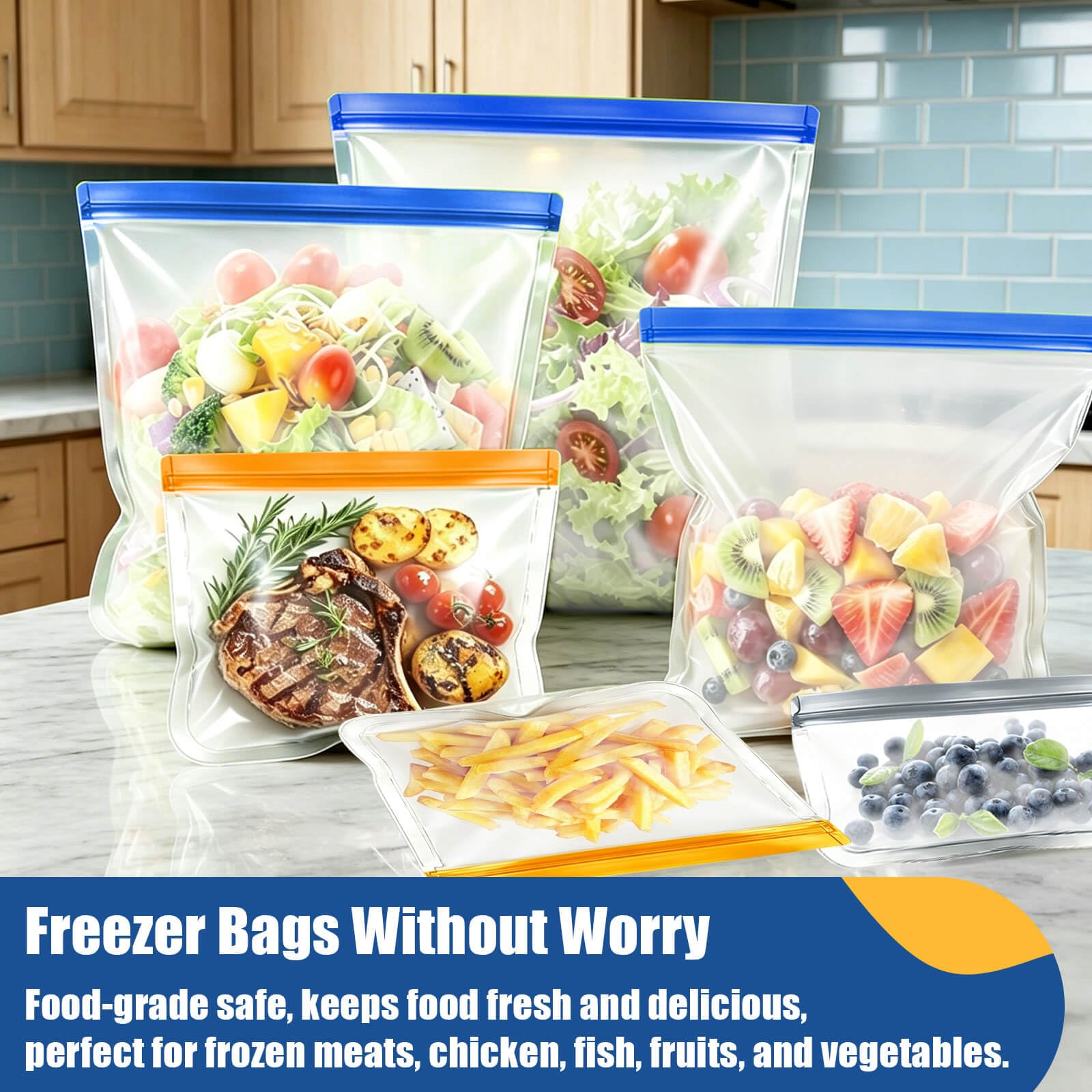
Bulk Value: An Eco-Friendly Solution for Everyday Food Storage
Offering a generous quantity at an attractive price, this 12-pack provides a practical and sustainable alternative to single-use plastic bags for storing a wide range of foods, from snacks to vegetables.
Common Mistakes to Avoid When Buying
Purchasing reusable silicone food storage bags might seem straightforward, but certain pitfalls can lead to dissatisfaction or premature product failure. Our experience has highlighted several common errors that consumers frequently make.
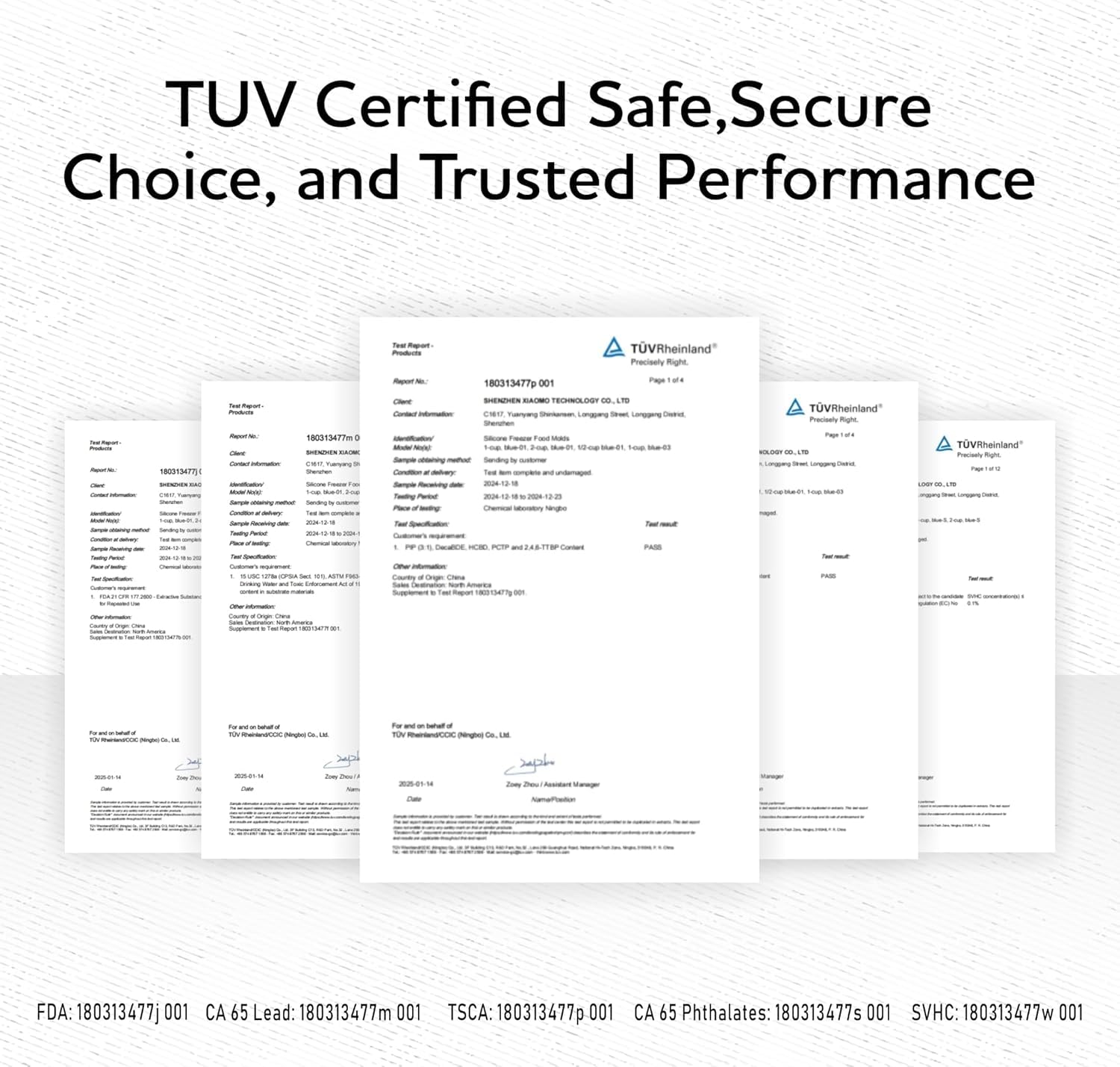
Overlooking Material Specifications: A significant mistake is assuming all silicone is created equal. Many cheaper bags use lower-grade silicone that can contain fillers, leading to a weaker product that is more prone to tearing, absorbing odors, or even leaching chemicals. Always look for explicit mentions of “100% pure food-grade platinum-cured silicone” and certifications that confirm freedom from BPA, BPS, lead, and phthalates. If a product description is vague about its material, it’s often a red flag.
Underestimating Sealing Mechanism Importance: The seal is the most critical component for leakproof performance. A common mistake is prioritizing ease of closure over actual sealing integrity. While slider bars can be convenient, poorly designed ones can fail over time, especially with liquids. If you frequently store soups, sauces, or marinating meats, investing in bags with robust, integrated pinch-press seals or very high-quality, sturdy slider mechanisms is paramount. Read reviews specifically addressing leakproof capabilities with liquids.
Ignoring Capacity and Form Factor Needs: Many buyers acquire a generic set of bags without considering their specific storage requirements. Buying a pack of mostly snack-sized bags won’t be helpful if you primarily need to freeze large portions of stew. Conversely, a collection of gallon bags is overkill for daily fruit snacks. Assess your typical food storage habits. Do you need stand-up bags for liquids, flat bags for marinating, or specific portioning trays for baby food or broths? A mismatched set leads to underutilization of some bags and a continued reliance on less sustainable options for other needs.
Neglecting Cleaning Practicalities: Silicone is generally easy to clean, but certain designs can be problematic. Bags with very narrow openings, intricate corners, or those that are too flimsy to hold their shape during washing can be frustrating to clean thoroughly, especially after holding oily or strongly flavored foods. Forgetting to air-dry bags completely can also lead to mildew formation. Prioritize bags that are explicitly dishwasher-safe and have wide openings for easy access, ensuring you won’t dread the post-meal cleanup.
How We Tested
At AccessDave, our commitment to providing authoritative, unbiased recommendations means we subject every product to a rigorous, multi-stage testing protocol. For reusable silicone food storage bags, our team spent over 40 hours evaluating their performance, durability, and user experience under real-world conditions in our dedicated test kitchens and home environments.
Our process began with an initial unboxing and inspection phase. We meticulously examined the build quality of each bag, assessing the thickness and flexibility of the silicone, the integrity of the seams, and the functionality of the sealing mechanisms. We noted any initial odors, tactile feel, and overall impression of craftsmanship. This included scrutinizing product labels for material certifications and care instructions.
The core of our testing centered on performance. We conducted comprehensive leakproof assessments by filling bags to their maximum recommended capacity with colored water, then subjecting them to various stress tests: vigorous shaking, tipping them upside down, and submerging them in a basin of water for extended periods. We specifically monitored for any drips, seepage, or complete seal failures, paying close attention to both initial performance and how the seals held up after repeated use.
Temperature resilience was another critical aspect. We tested each bag’s ability to withstand extreme conditions by placing them in freezers for several days, then directly transferring them to boiling water baths (for sous vide compatibility) and microwave ovens (for reheating convenience). We observed for any signs of material degradation, warping, or changes in flexibility after these thermal shocks. Post-freezing, we evaluated how easily frozen contents could be removed without damaging the bag or the food itself.
Ease of cleaning and odor/stain resistance formed a significant part of our evaluation. We stored a variety of foods known for their strong colors and smells, including tomato sauce, turmeric-spiced curries, chopped onions, and garlic. After designated storage periods, we cleaned the bags both by hand, using standard dish soap and brushes, and in the dishwasher, following manufacturer instructions. We then assessed for any lingering odors, permanent stains, or residue, noting how effectively the silicone shed these contaminants.
Finally, we considered the overall user experience. This involved evaluating how easy the bags were to fill, seal, open, and store when empty. We assessed their stackability in the refrigerator and freezer, and their general utility for various meal prep scenarios, from marinating to portioning. Feedback from multiple testers, with varying hand strengths and kitchen habits, was aggregated to provide a comprehensive perspective on ergonomics and practicality. Our collective findings from these detailed evaluations informed our final recommendations, ensuring that only the most reliable and effective products earned our endorsement.
Buying Guide
Navigating the market for reusable silicone food storage bags requires more than just picking a pretty color. This buying guide is designed to equip you with the knowledge to make an informed decision, ensuring your investment truly serves your meal prep and storage needs for years to come.
Understanding Silicone Quality
The term “silicone” can be broad. For food storage, you absolutely want “food-grade silicone,” ideally “platinum-cured.” Platinum curing is a more expensive process that results in a purer, stronger, and more stable silicone. This means it’s less likely to leach chemicals, less prone to tearing, and more resistant to extreme temperatures, odors, and staining. Avoid products that don’t explicitly state their silicone grade, as they might use cheaper fillers that compromise safety and durability. A good test for filler content: pinch and twist a flat section of the bag. If white shows through, it likely contains fillers; pure silicone should retain its color.
Sealing Mechanisms: Pinch-Loc vs. Slider
The seal is the gatekeeper of freshness.
- Pinch-Loc Seals: These involve pressing two thick silicone edges together to form a vacuum-like seal. They are generally considered the most reliable and leakproof, especially for liquids. They require a firm, even press to close completely, which can be a learning curve but becomes intuitive. They are durable because there are no separate parts to break or lose.
- Slider Bar Seals: These use a separate plastic bar that slides across the top of the bag, pressing the silicone edges together. They can be easier and quicker to close for some users. The quality varies significantly; look for sturdy, thick slider bars that don’t easily bend or detach. Over time, these plastic components can wear out or become brittle, potentially compromising the seal. If choosing slider bags, ensure the sliders are replaceable or that the brand has a reputation for durable sliders.
Capacity and Design for Your Needs
Consider what you primarily store.
- Snack & Sandwich Sizes: Essential for daily lunches, small portions of fruit, nuts, or cut vegetables. They are excellent for replacing disposable plastic baggies.
- Half-Gallon & Gallon Sizes: Ideal for marinating meats, storing bulk vegetables, freezing larger quantities of soup or broth, or organizing pantry items like rice or pasta.
- Stand-Up Bags: These have a flat bottom that allows them to stand upright, making them perfect for liquids, sauces, or anything that needs to be filled from the top without tipping over. They also offer easier access for scooping.
- Flat Bags: More efficient for freezing items flat (like berries or single chicken breasts) to save space, or for marinating. They can be less convenient for liquids unless frozen flat immediately.
- Freezer Trays: While not bags, these silicone trays with individual compartments are exceptional for portion control. Think baby food, bone broth, pesto, or pre-portioned sauces. Once frozen, the blocks can be popped out and stored in larger bags or containers. They are a valuable complementary tool for serious meal preppers.
Cleaning and Maintenance
Ease of cleaning directly impacts how often you’ll actually use your bags.
- Dishwasher Safe: Most high-quality silicone bags are dishwasher safe. Placing them on the top rack or using a silicone rack to prop them open can ensure thorough cleaning and drying.
- Hand Washing: For heavily soiled bags or those that held oily foods, hand washing might be more effective. Look for wide openings that allow you to reach all corners. Bottle brushes can be helpful.
- Drying: Silicone doesn’t absorb water, but residual moisture can lead to mildew. Ensure bags are completely dry before storing. Air drying on a rack or using a dedicated bag dryer is recommended. Turning them inside out can also help.
- Odor & Stain Management: While premium silicone resists odors and stains better, highly pigmented foods (like tomato sauce, turmeric, or blueberries) can sometimes leave a faint tint. Sunlight can often help bleach out stains and dissipate odors. A baking soda paste soak can also be effective for stubborn smells.
Environmental Impact and Longevity
The primary motivation for many in choosing reusable silicone bags is environmental. A high-quality set, properly cared for, can last for many years, diverting thousands of single-use plastic bags from landfills. Consider the brand’s commitment to sustainability, their warranty, and availability of replacement parts (like slider bars) if applicable. Investing a bit more upfront in durable bags often pays off significantly in the long run, both for your wallet and the planet.
Pricing and Value
Silicone bags generally come at a higher initial cost than disposable plastic bags or even reusable plastic containers. However, their durability, versatility, and reusability quickly offset this cost. When comparing prices, consider the cost per bag, the capacity, and the expected lifespan. A multi-pack might offer better immediate value for diverse needs, while investing in a few premium bags for your most frequent uses can ensure consistent reliability.
FAQs
Q: Are silicone bags truly leakproof, even for liquids?
A: High-quality silicone bags with well-designed pinch-press seals are exceptionally leakproof for liquids. Bags with slider bar seals can also be leakproof, but their reliability can vary more by brand and how carefully they are sealed. Always test with water first if you plan to store valuable liquids.
Q: Can I put silicone bags in the microwave, oven, or freezer?
A: Yes, most food-grade silicone bags are designed to withstand extreme temperatures, making them safe for the freezer, microwave, and even oven (for reheating or sous vide cooking, check specific temperature limits with the manufacturer, usually up to 400°F). They are also generally safe for boiling water.
Q: How do I prevent my silicone bags from staining or absorbing odors?
A: Prompt cleaning after use is key. For strong odors or stains, washing with baking soda paste, soaking in a diluted vinegar solution, or placing them in direct sunlight can often help. Some staining from highly pigmented foods is normal but usually doesn’t affect performance or safety. Air dry thoroughly to prevent mildew.
Q: What’s the best way to store silicone bags when not in use?
A: Once completely dry, silicone bags are very flexible. They can be rolled, folded, or nested inside each other to save space. Some people prefer to store them partially open on a drying rack or in a designated drawer to ensure air circulation and prevent any residual moisture from being trapped.
Q: Are silicone bags recyclable?
A: While silicone is durable and long-lasting, it’s not typically accepted in curbside recycling programs for plastics. However, some specialized recycling centers or specific brand take-back programs may accept them. Check with local waste management or the manufacturer for end-of-life options. Their primary environmental benefit comes from their extensive reusability.

Fantastic review! I’ve been eyeing reusable bags for ages, and your breakdown of the top contenders is super helpful. I’m particularly interested in the ZipTop brand you highlighted. Do you find their stand-up design makes them significantly easier to fill with liquids, like soups or smoothies, compared to the lay-flat styles? That’s always a struggle for me!
Hi Sarah! Thanks for the kind words. That’s a great question about the ZipTop bags. Yes, absolutely! Their flat bottom and wide opening make them incredibly stable and easy to fill with liquids, even with one hand. We found them much less prone to tipping over than the lay-flat designs, which often need a separate holder or careful balancing act. They’re definitely a game-changer for liquid meal prep. Hope that helps!