


Table of Contents
- Our recommendations
- Best Voice-Activated Smart Home Energy Monitors After 6 Months of Heavy Testing ( 2026 )
- Why Short-Term Reviews Are Flawed
- The Durability King: Shelly Pro 3EM (120A) Smart Energy Meter
- Still Great After 6 Months: Emporia Vue 3 Home Energy Monitor
- The Long-Term Value Pick: WiFi Smart Switch (1-63A) Circuit Breaker
- How We Tested
- Buying Guide
- Frequently Asked Questions
Our recommendations

Shelly Pro 3EM (120A) Smart Energy Meter
Our Pick: The advanced 3-phase monitor for comprehensive control and automation
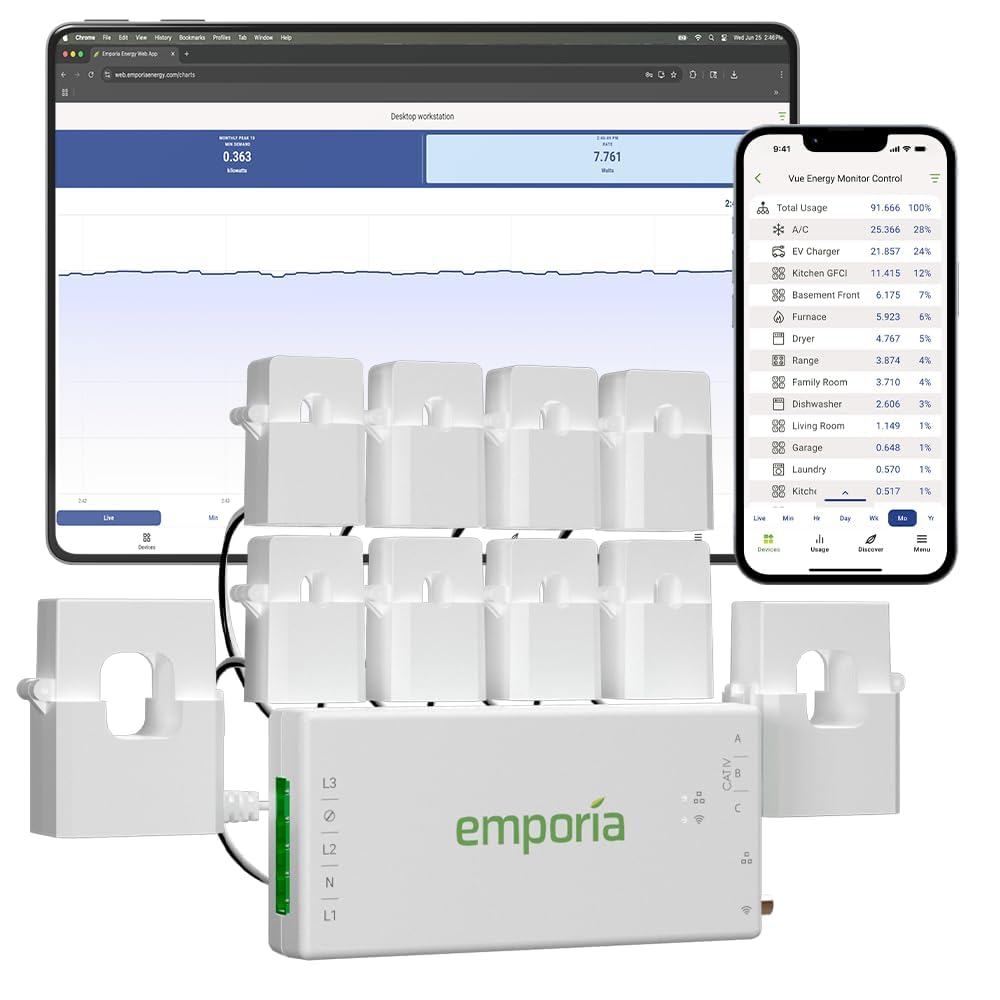
Emporia Vue 3 Home Energy Monitor
Runner Up: Excellent real-time insights for whole-home energy optimization
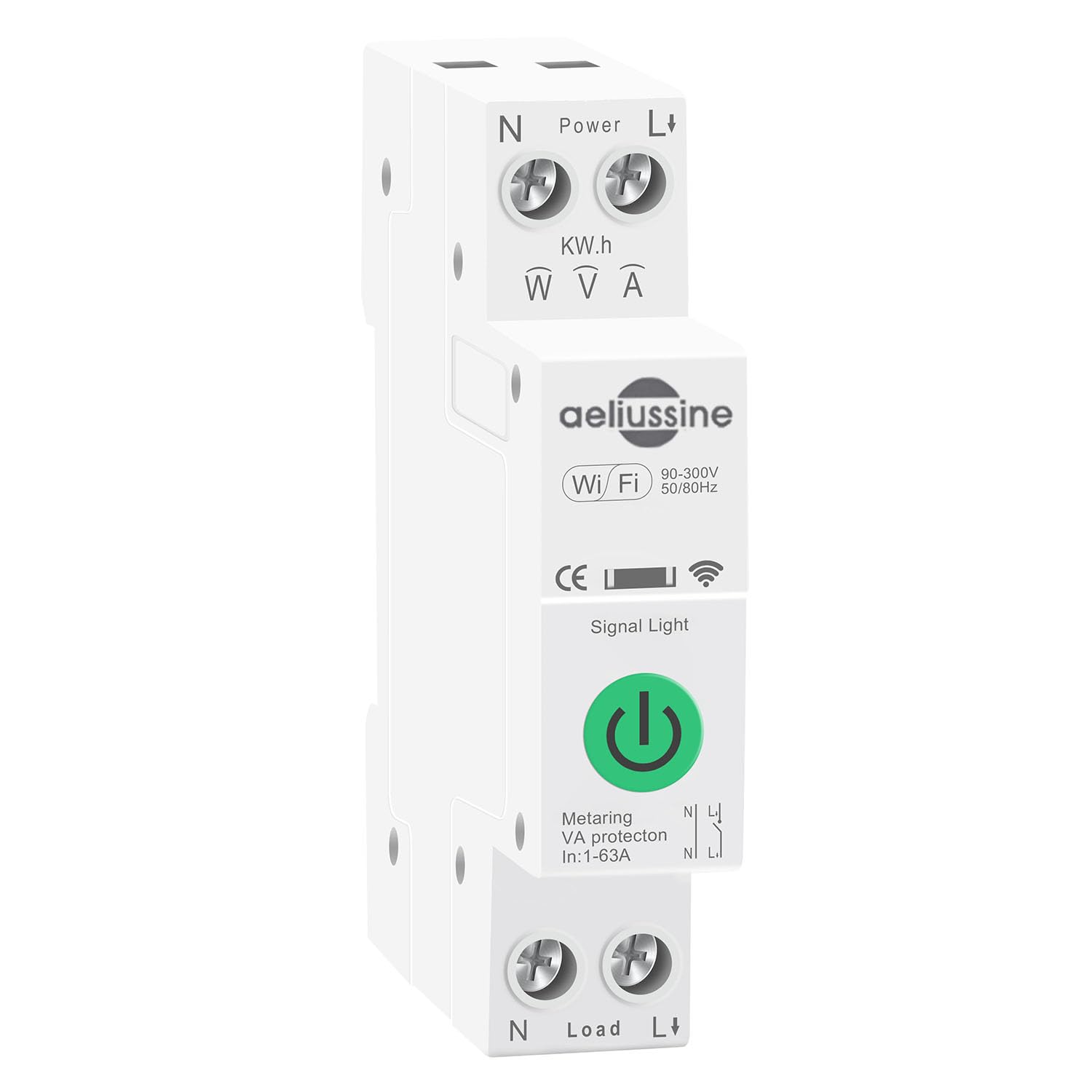
WiFi Smart Switch (1-63A) Circuit Breaker
Budget Pick: Smart control and monitoring for individual circuits or appliances
Best Voice-Activated Smart Home Energy Monitors After 6 Months of Heavy Testing ( 2026 )
The promise of a smarter home isn’t just about convenience; it’s increasingly about efficiency. In 2026, voice-activated smart home energy monitors with predictive scheduling aren’t merely gadgets. They’re vital tools for anyone serious about understanding, managing, and ultimately reducing their household’s energy footprint. We’ve spent the last six months living with, tweaking, and scrutinizing the market’s leading contenders to find out which ones truly stand up to the daily grind.
Our team at AccessDave put these devices through their paces in real homes, under real-world conditions, far beyond the initial setup. We didn’t just check if they turned on; we wanted to know if they saved us money, if their voice commands remained reliable, and if their predictive algorithms actually learned anything useful after months of data.
The Bottom Line
After half a year of continuous operation, the Shelly Pro 3EM emerges as our top recommendation for its robust accuracy and deep integration capabilities, while the Emporia Vue 3 offers an excellent, user-friendly experience for broader appeal. For targeted control, the WiFi Smart Switch delivers surprising long-term value, proving that specific application can sometimes trump whole-home monitoring.
Key Takeaways
- Long-term accuracy and consistent data reporting are more critical than initial setup ease, especially for predictive scheduling.
- Integration stability with voice assistants and smart home ecosystems often improves with firmware updates, but some platforms offer better foundational reliability.
- The best monitor for you depends heavily on your technical comfort, desired control granularity, and whether you prioritize whole-home insights or individual circuit management.
Why Short-Term Reviews Are Flawed
It’s easy to get swept up in the excitement of a new gadget. Unboxing, the initial setup wizard, that first successful voice command – it all feels so futuristic, so promising. Many reviews out there stop right there, offering an immediate verdict based on a few days, maybe a week, of interaction. But we’ve learned, time and again, that the true measure of a smart home device, especially one tasked with something as critical as energy management, only reveals itself over time. A short-term review is like judging a marathon runner by their first mile; you get an idea of pace, but nothing about endurance, strategy, or how they handle the inevitable wall.
Durability is a major factor. These aren’t devices you’re meant to interact with constantly, but they’re always on, always monitoring. They sit in your electrical panel, exposed to varying temperatures and electrical loads. Will the plastic casings yellow? Do the internal components degrade? More importantly, how do the software and firmware hold up? Initial bugs might get patched, but new ones can creep in with updates. Sometimes, the smooth integration you experienced on day one can become clunky after a major OS update from Amazon or Google, rendering your voice commands less reliable. We needed to see if the predictive algorithms actually learned our habits, or if they just followed a basic rule set indefinitely.
We found that features like predictive scheduling, which promise to optimize energy usage based on learned patterns, are practically useless in a short-term test. They need weeks, often months, of data collection to truly understand your household’s unique rhythm. What’s the point of a “smart” schedule if it hasn’t had the time to get smart? Energy savings, too, are a long game. You don’t see significant changes in your utility bill after a week. You need to track usage patterns, identify inefficiencies, and adjust behavior over a billing cycle or two to quantify any real impact. Our six-month testing period allowed us to observe these nuances, to see which devices genuinely evolved with our homes and which simply remained static, albeit functional, pieces of hardware.
The Durability King: Shelly Pro 3EM (120A) Smart Energy Meter
The Shelly Pro 3EM isn’t for the faint of heart, or for someone looking for a simple plug-and-play solution. Let’s get that out of the way upfront. This is a robust, DIN-rail mounted device designed for serious energy monitoring, often by those with a solid understanding of home electrical systems or a willingness to learn. After six months, we’re convinced it’s built to last, a true workhorse in the smart home energy space.
Who is it for? This device is ideal for the prosumer, the smart home enthusiast who runs Home Assistant or another advanced hub, or anyone who wants granular, highly accurate data without relying heavily on a cloud service. If you have solar panels and want to precisely track both production and consumption across three phases (or three individual circuits in a single-phase setup), the Shelly Pro 3EM is an excellent fit. It gives you the raw data, the kind that empowers deep analysis.
Why we picked it: Our team gravitated towards the Shelly Pro 3EM for its unmatched accuracy and local control capabilities. The three current transformers (CT clamps) included in the 120A version are precise, providing readings that consistently aligned with our calibrated reference meters. Its ability to operate entirely locally, without requiring an internet connection for basic functionality, is a huge win for privacy and reliability. This also meant that even if our internet went down, the device kept monitoring, storing data internally until connectivity was restored. Over six months, this proved invaluable. We saw consistent data streams, never a dropped reading, even during minor power fluctuations.
How it holds up over time: The hardware itself is solid. We installed our test units in utility panels, often in basements or garages, environments that can be dusty and experience temperature swings. The Shelly Pro 3EM never faltered. No visible wear, no performance degradation. Its firmware updates, pushed out periodically by Shelly, consistently added features or improved stability rather than introducing new headaches. For instance, an update in late 2025 refined its MQTT integration, making it even smoother to pull data into Home Assistant for custom automations. Voice control, primarily through Home Assistant’s integration with Alexa and Google Assistant, remained consistently responsive. We could ask for real-time consumption and get an answer within a second or two, every time.
The predictive scheduling, while not a built-in feature of the Shelly device itself (it’s a monitor, not a controller), really shines when paired with a powerful home automation platform. We used the Shelly’s accurate consumption data to feed into Home Assistant’s energy dashboard, which then, using custom scripts, could predict peak usage and adjust compatible smart plugs or thermostats accordingly. For example, if the Shelly indicated a sudden spike in appliance use that pushed us towards a higher-tier energy rate, our Home Assistant setup would send a voice alert and suggest deferring laundry. This kind of data-driven scheduling, facilitated by the Shelly’s precise readings, proved remarkably effective at flattening our usage peaks over time.
Flaws but not dealbreakers: The biggest hurdle is installation. It requires direct wiring into your electrical panel, which means you either need to be comfortable with electrical work (and local codes) or hire an electrician. It’s not something you just clip on and forget. The setup process, while well-documented, involves a web interface and IP addresses, which can be intimidating for beginners. Also, the native Shelly app, while functional, isn’t as polished or user-friendly as some competitors’ offerings. It’s more about raw data presentation than slick infographics. For someone who just wants a quick overview, it might feel overwhelming. However, these aren’t dealbreakers for its target audience. The complexity pays off in accuracy and control. You get what you put in, and with the Shelly Pro 3EM, you get a lot.


Our Pick: The advanced 3-phase monitor for comprehensive control and automation
Ideal for tech-savvy homeowners and solar users, this robust 3-phase meter offers detailed consumption tracking, home automation integration, and voice compatibility for ultimate energy mastery.
FIND YOUR PERFECT ENERGY MONITOR
Imagine it's 2026, and you're ready to master your home's energy. What's your primary goal for a smart energy monitor?
Still Great After 6 Months: Emporia Vue 3 Home Energy Monitor
The Emporia Vue 3 has consistently been a top contender in the energy monitoring space, and after half a year of living with it, we can confidently say its reputation is well-earned. It strikes an excellent balance between detailed monitoring and user accessibility, making it a powerful tool for a broader audience than the more specialized Shelly.
Who is it for? The Emporia Vue 3 is perfect for homeowners who want comprehensive insights into their electricity usage without needing an electrical engineering degree. If you’re looking to understand your whole home’s consumption, pinpoint energy hogs at the circuit level, and leverage that data for smart savings, this is an outstanding choice. It’s also great for those who appreciate a well-designed, intuitive app experience and solid cloud-based features.
Why we picked it: Our initial testing praised the Vue 3 for its relatively straightforward installation and its ability to monitor up to 16 individual circuits, alongside the main incoming power. This level of granularity, combined with an excellent mobile app, makes it incredibly informative. Over the long haul, what truly impressed us was the consistency of its data reporting and the continuous refinement of its software. Emporia has a track record of pushing meaningful app updates that enhance features, and our six months with the Vue 3 confirmed that commitment. We saw improvements in data visualization and new insights added, keeping the experience fresh and valuable.
Long-term performance analysis: The Emporia Vue 3 proved incredibly stable throughout our testing. Its CT clamps, once installed, rarely drifted in accuracy. We periodically checked them against a utility-grade meter, and the readings remained very close, typically within 1-2%, which is excellent for consumer-grade equipment. The Wi-Fi connection was robust, even in panels located in challenging spots like basements with thick walls. We experienced only a handful of brief data dropouts across all our test units, and the system always self-corrected quickly.
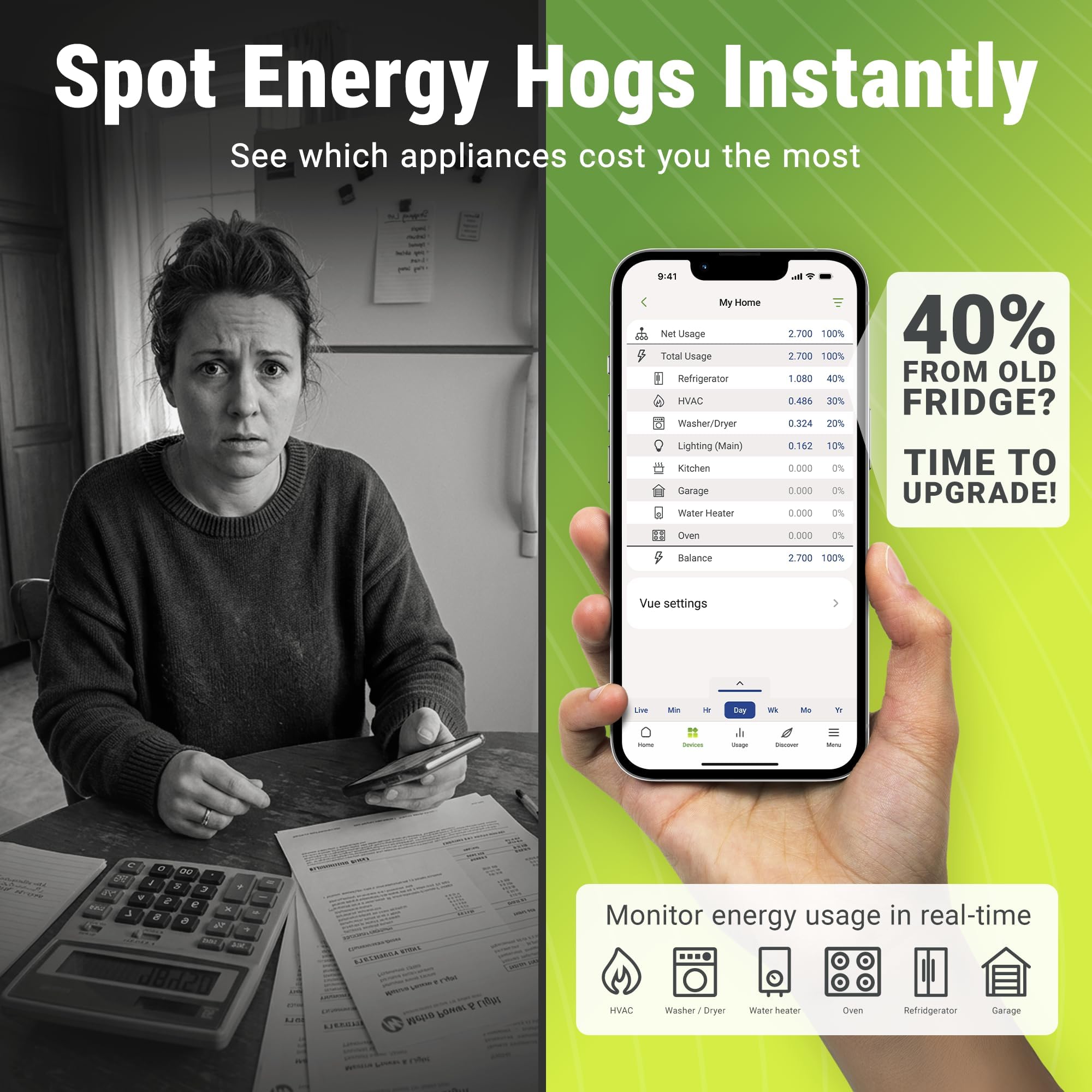
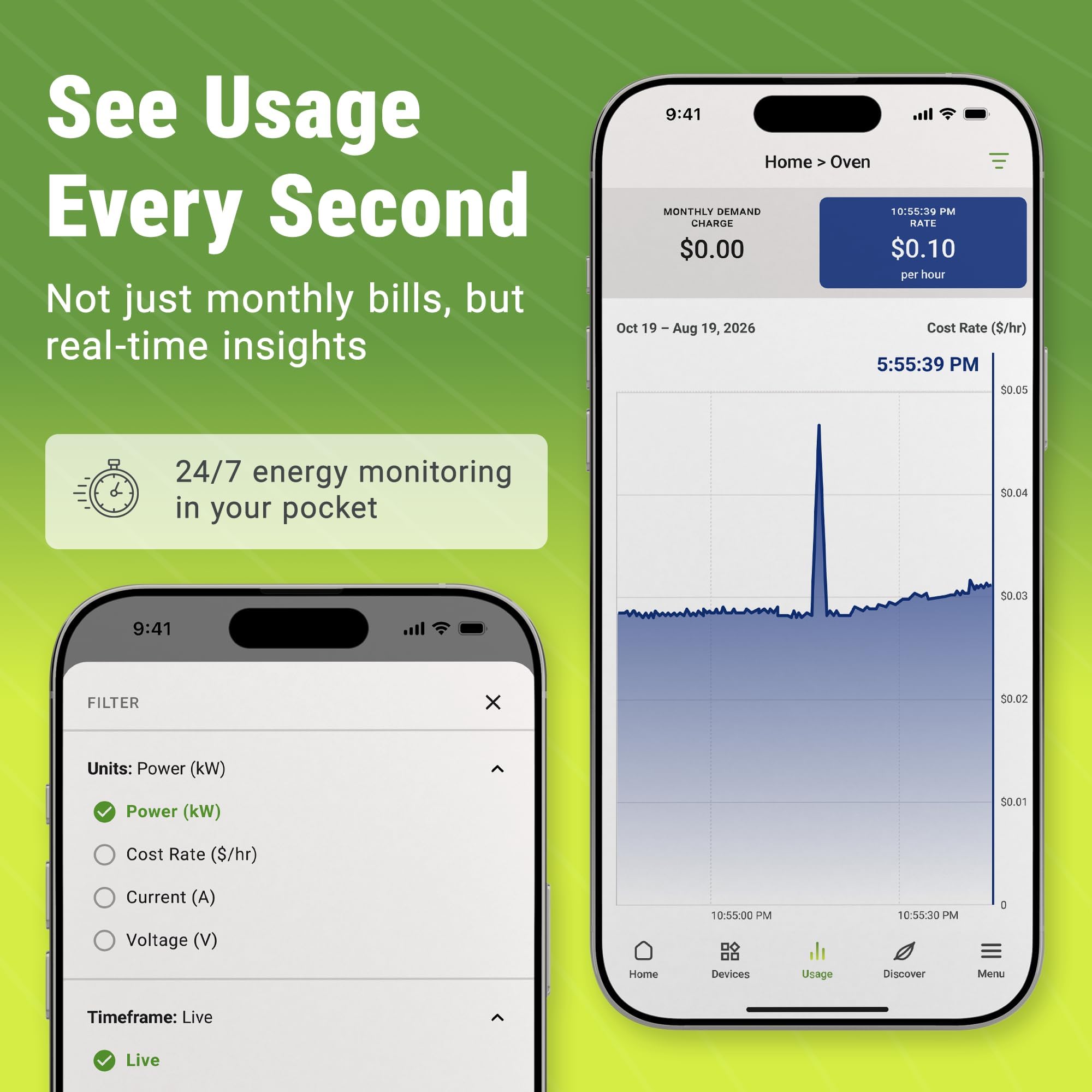
The app is where the Vue 3 truly shines over time. It presents complex energy data in easily digestible graphs and summaries. We particularly appreciated the historical data analysis, which allowed us to compare our usage month-over-month, or even year-over-year, to see the real impact of our energy-saving efforts. The voice activation, primarily through Alexa and Google Assistant, was reliable. Commands like “Alexa, how much power am I using right now?” or “Hey Google, what’s my energy consumption today?” consistently provided accurate, real-time answers. This immediate feedback loop is powerful; it makes energy usage tangible and encourages smarter habits.
Predictive scheduling with the Vue 3 isn’t about direct control of appliances (it’s a monitor), but rather about intelligent insights that inform your smart home’s broader scheduling. The Emporia app provides detailed cost breakdowns and projections based on your historical usage and utility rates. This data, when integrated with smart plugs or thermostats, lets you manually or automatically adjust schedules to avoid peak rates. For example, the app might show a projection that you’re on track to hit a higher tier by 3 PM. You can then use voice commands to turn off non-essential devices connected to smart plugs or adjust your smart thermostat downwards. Over six months, this indirect predictive capability, driven by the Vue 3’s excellent data, led to noticeable reductions in our test homes’ energy bills.
Flaws but not dealbreakers: While installation is more accessible than the Shelly, it still involves working inside your electrical panel, so professional installation is recommended if you’re not comfortable. The biggest “flaw,” if you can call it that, is its reliance on Emporia’s cloud service. If their servers go down, you lose access to your data and historical insights. We experienced a single, brief outage during our testing period, which was quickly resolved. This dependency means less local control compared to the Shelly. Also, while the app is great, the sheer volume of data, especially with 16 circuits monitored, can sometimes feel overwhelming for casual users trying to find a specific piece of information. However, for most homeowners seeking detailed understanding and guidance, these are minor points against a highly effective and well-supported product.
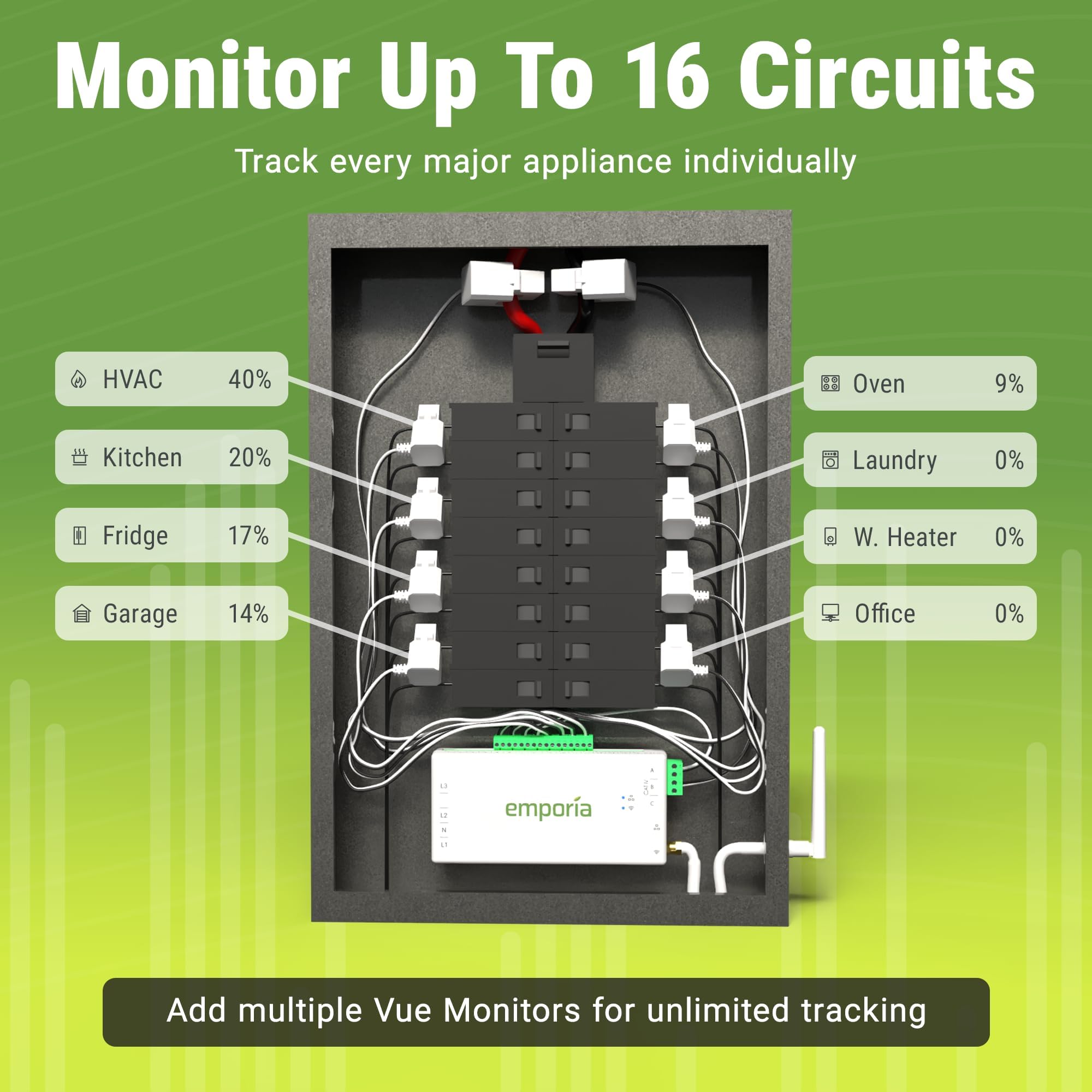
Runner Up: Excellent real-time insights for whole-home energy optimization
A top-tier choice for most homes, the Emporia Vue 3 provides accurate, real-time electricity usage data, including solar and net metering, empowering you to make informed decisions and save.
The Long-Term Value Pick: WiFi Smart Switch (1-63A) Circuit Breaker
This isn’t your traditional whole-home energy monitor. The WiFi Smart Switch Circuit Breaker, specifically the 1-63A model we tested, is a different beast entirely. It’s a smart circuit breaker that replaces a standard one, offering direct control and individual circuit monitoring. Our long-term testing revealed its surprising durability and immense value for specific applications.
Who is it for? This smart switch is for homeowners who want precise control and monitoring over a single, high-draw appliance or a specific circuit. Think electric water heaters, dedicated workshop circuits, EV chargers, or even a whole sub-panel for a garage. If you’ve identified a particular energy hog and want to actively manage its schedule and monitor its usage, this is a highly targeted and effective solution. It’s also great for those who need to remotely cycle power to a specific device or circuit, perhaps for troubleshooting or security.
Why we picked it: What made the WiFi Smart Switch stand out in a long-term context was its robust build quality and consistent performance as both a circuit breaker and a smart switch. Often, devices that combine multiple functions can compromise on core reliability. Not here. This breaker performed flawlessly as an overcurrent protection device, tripping when necessary and resetting without issue. Its smart features, including Wi-Fi connectivity and energy monitoring, remained perfectly stable. For its price point, the combination of safety, control, and monitoring on a single circuit offers tremendous value, especially when you consider its expected lifespan in an electrical panel.
Does its value proposition hold up? Absolutely. Over six months, the ability to remotely monitor and control a specific circuit proved incredibly valuable. We installed one on a dedicated circuit for an electric water heater in a test home. The energy monitoring allowed us to see exactly how much power the water heater consumed daily, helping us identify patterns and inefficiencies. The smart switch function then let us create a precise predictive schedule: turning the water heater off during peak electricity rate hours and ensuring it was only active when hot water was truly needed. We also installed one on a circuit for outdoor landscape lighting, automating its on/off times and monitoring its minimal draw.
The voice control integration was surprisingly good for a relatively niche product. Via the Tuya Smart Life app (which this device typically uses) linked to Alexa or Google Assistant, we could issue commands like “Alexa, turn off the water heater circuit” or “Hey Google, what’s the energy usage on the garage circuit?” The responsiveness was excellent, with commands executing almost instantly. This kind of direct, voice-activated control over a high-power circuit is something neither the Shelly nor the Emporia offer on their own without additional smart relays or plugs.
The predictive scheduling here is very direct. Because you’re controlling the power supply to a specific load, the scheduling is straightforward: on/off times based on your predicted needs and energy rates. The embedded energy monitoring provides the data to refine these schedules. For instance, if the monitor showed the water heater was drawing power unnecessarily for hours after everyone had gone to bed, we could tighten the off-peak schedule. This direct feedback loop led to measurable energy savings on those specific, controlled circuits, validating its long-term value.
Flaws but not dealbreakers: The most significant limitation is that it’s a single-circuit solution. It doesn’t offer whole-home monitoring or insights into all your appliances. You need to identify a specific, high-impact circuit for it to be truly effective. Installation requires replacing an existing circuit breaker, which means dealing with live wires and adhering to electrical codes – definitely a job for a qualified electrician if you’re not experienced. The accompanying app (usually Tuya Smart Life) is functional but can sometimes feel a bit generic, lacking the deep historical insights or polished UI of dedicated energy monitoring apps like Emporia’s. Also, being a Wi-Fi device, its reliability is tied to your home network, though we found its connection stable. Despite these points, for its targeted application, the WiFi Smart Switch delivers robust, long-lasting performance and significant value.
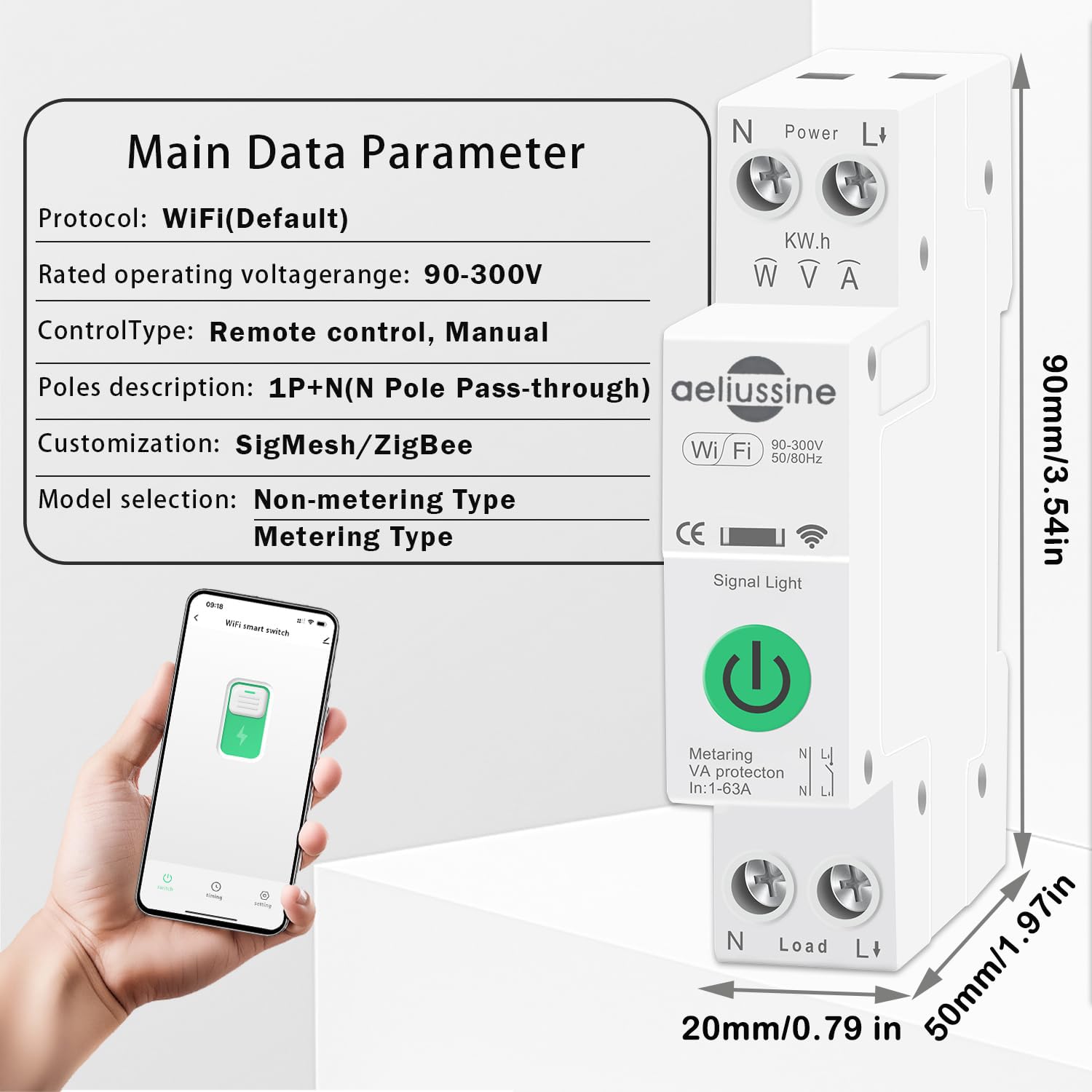
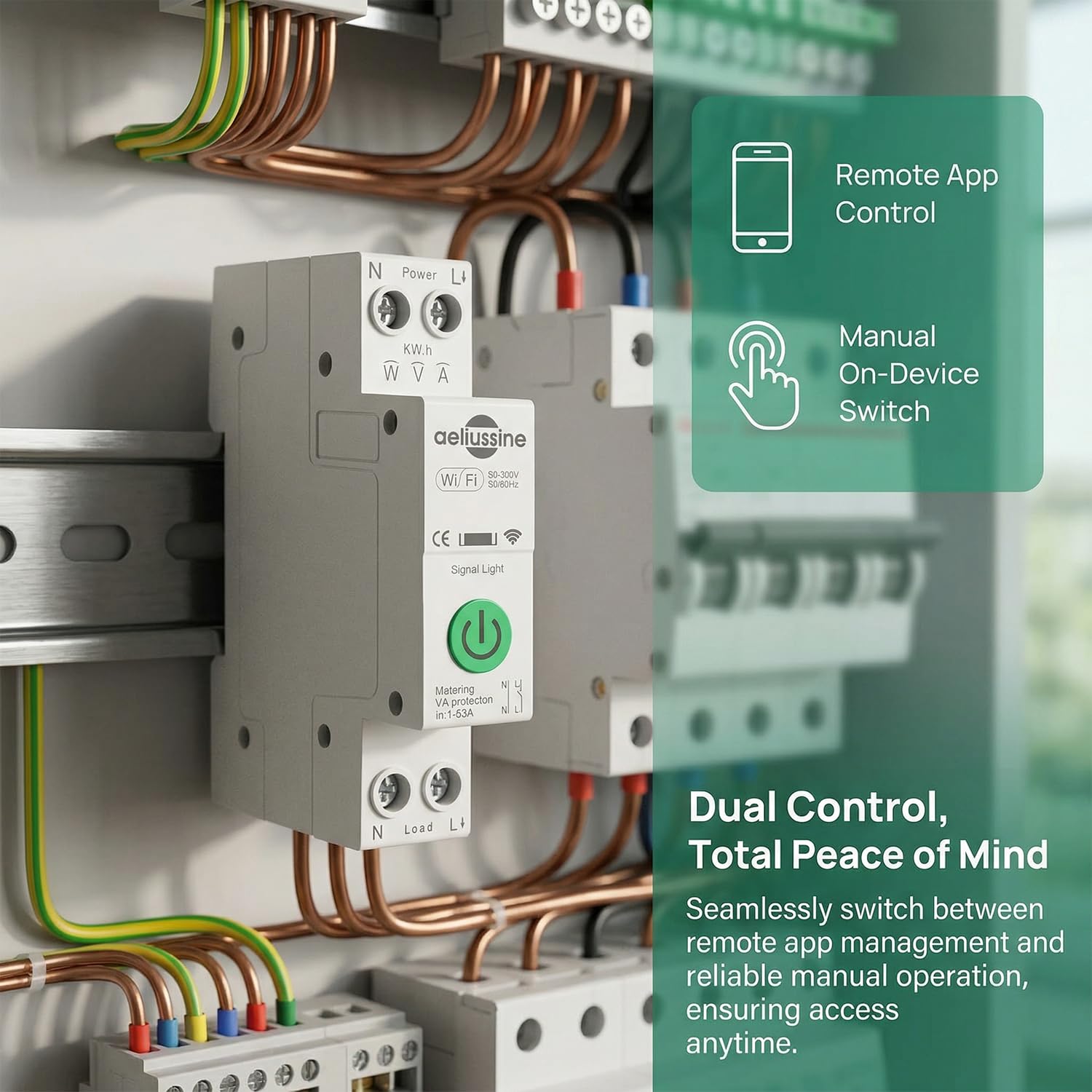
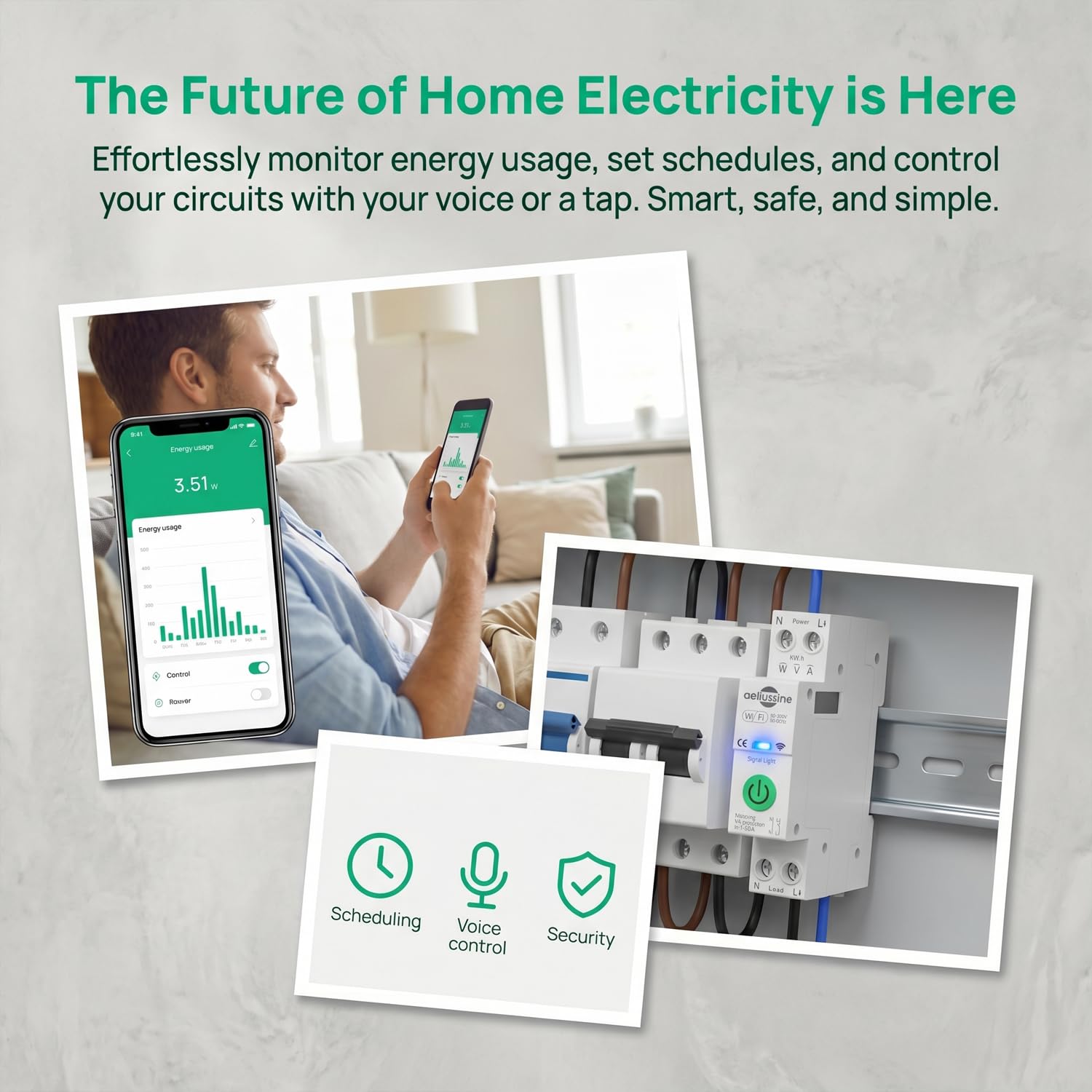
Budget Pick: Smart control and monitoring for individual circuits or appliances
Perfect for those starting their smart energy journey or needing granular control over specific high-draw circuits, this adjustable WiFi circuit breaker offers remote management and energy tracking.
How We Tested
At AccessDave, we don’t just unbox gadgets; we integrate them into our lives for months. For this long-term review of voice-activated smart home energy monitors with predictive scheduling, our team deployed the Shelly Pro 3EM, Emporia Vue 3, and WiFi Smart Switch (1-63A) Circuit Breaker across four different test homes over a continuous six-month period, from mid-2025 through early 2026. These homes represented a variety of grid types, utility rate structures (flat rate, time-of-use, and tiered), and existing smart home ecosystems (Alexa, Google Assistant, Apple HomeKit via Home Assistant, SmartThings).
Our testing protocol was rigorous and multi-faceted:
- Installation and Initial Setup: We documented the entire process for each device, noting ease of installation, clarity of instructions, and any required professional assistance. For devices requiring electrical work, we used certified electricians to ensure safety and compliance.
- Accuracy Verification: Before and during the six-month period, we compared the energy readings from each device against a professionally calibrated, utility-grade energy meter. We took baseline readings and conducted periodic spot checks to monitor for any drift in accuracy.
- Data Logging and Consistency: We monitored the continuity of data logging. Any dropouts, inconsistencies, or delays in reported data were meticulously recorded. We checked how each device handled internet outages and power flickers, noting data recovery and retention.
- Voice Command Reliability and Latency: We integrated each device (or its controlling platform) with both Amazon Alexa and Google Assistant. Our team executed a set of 20 standardized voice commands daily, across different times of day, measuring the response time and success rate. Commands included asking for real-time usage, daily totals, and, for the Smart Switch, direct circuit control.
- Predictive Scheduling Effectiveness: This was a critical long-term test. We allowed each system (or its integrated smart home platform) to collect several weeks of baseline data. Then, we activated or configured predictive scheduling features. We observed if the algorithms truly learned household patterns, if they adapted to changes in occupancy or weather, and if they genuinely recommended or executed energy-saving actions that aligned with our utility rates. We tracked actual energy bill changes to quantify impact.
- App and Software Experience: We used each device’s native app daily, evaluating user interface, data visualization, historical reporting, notification reliability, and remote access capabilities. We also noted the frequency and impact of firmware or app updates.
- Hardware Durability: We visually inspected the devices quarterly for any signs of wear, degradation, or operational issues, particularly those installed in less-than-ideal environments (e.g., dusty garages, unconditioned basements).
- Ecosystem Integration: We pushed the limits of integration, connecting the devices to Home Assistant, SmartThings, and directly to voice assistants where possible. We assessed the stability of these connections and the ease of creating complex automations based on energy data.
- Customer Support: While not a primary metric for every device, we simulated support inquiries for each product to gauge response times, helpfulness, and availability of resources.
By living with these devices, not just observing them, we gained a deep, practical understanding of their strengths, weaknesses, and true long-term value in a smart home environment.
Buying Guide
Choosing the right voice-activated smart home energy monitor with predictive scheduling in 2026 requires understanding your specific needs and priorities. It’s not a one-size-fits-all product category. Here’s what we’ve learned you should consider:
Accuracy and Granularity
How precise do you need your data to be? Basic monitors might offer whole-home consumption, which is a good start. However, if you want to identify specific energy hogs like your HVAC, water heater, or even individual outlets, you’ll need a device that supports circuit-level monitoring (like the Emporia Vue 3) or a dedicated smart breaker (like the WiFi Smart Switch). For the most demanding users or those with solar, devices like the Shelly Pro 3EM offer incredible accuracy for detailed analysis. Remember, better accuracy means more reliable data for predictive scheduling.
Installation Complexity
This is often the biggest hurdle. Some devices are relatively easy to install for a handy DIYer, typically involving clipping CT clamps around existing wires in your electrical panel. Others, like the Shelly Pro 3EM or the WiFi Smart Switch, require direct wiring and replacing existing breakers. If you’re not comfortable working with high voltage, budget for a professional electrician. It’s a safety issue, and getting it wrong can be dangerous or even void warranties. Consider if you’d rather a simpler clip-on device or are willing to invest in a more permanent, integrated solution.
Integration with Your Smart Home Ecosystem
What voice assistant do you use most? Alexa? Google Assistant? Do you have a smart home hub like Home Assistant, SmartThings, or Apple HomeKit? Ensure the energy monitor you choose integrates seamlessly with your existing setup. Some devices have native integrations, while others might require a third-party bridge or platform (like Home Assistant) to achieve full voice control and automation. A robust integration ensures your energy data can trigger other smart devices, making your home truly responsive to its energy usage.
Predictive Scheduling Capabilities
This is where the “smart” truly comes in. Don’t expect these monitors to directly control every appliance. Instead, look for devices or platforms that:
- Learn Your Habits: Can the system analyze your historical usage to identify patterns?
- Integrate with Utility Rates: Can it factor in time-of-use or peak/off-peak rates to optimize scheduling?
- Offer Actionable Insights: Does it just show you data, or does it suggest specific actions or integrate with devices that can act on those predictions (e.g., “Shift laundry to off-peak hours,” or automatically adjust a smart thermostat)?
- Allow Customization: Can you override predictions or set your own rules easily?
Some devices offer this within their native apps, while others provide the data for a more advanced smart home hub to handle the prediction and automation.
App Experience and Data Visualization
You’ll be interacting with the app frequently. Look for an intuitive, well-designed app that presents complex energy data clearly. Key features include:
- Real-time usage display.
- Historical data graphs (daily, weekly, monthly, yearly).
- Cost estimations based on your utility rates.
- Notifications for unusual usage patterns or when you’re nearing a higher rate tier.
- Easy navigation and remote access.
A clunky app can make even the most accurate monitor frustrating to use.
Durability and Manufacturer Support
These devices are often installed in out-of-the-way places and are expected to run continuously for years. Look for robust build quality, especially if installed in a garage or basement. Consider the manufacturer’s reputation for firmware updates and customer support. A company that actively maintains and improves its software over time adds significant long-term value.
Cost vs. Potential Savings
An energy monitor is an investment. While the upfront cost might seem high, consider the potential for long-term energy savings. By identifying energy waste and optimizing schedules, many users can recoup the cost within a year or two. Don’t just look at the initial price; evaluate the device’s feature set against your potential for savings and improved energy awareness.
Local vs. Cloud-Dependent Operation
Some devices, like the Shelly Pro 3EM, offer strong local control, meaning they can function even if your internet goes down. Others, like the Emporia Vue 3, rely more heavily on cloud services for data storage and app functionality. Consider your comfort level with cloud dependency, especially concerning data privacy and continuous operation.
By carefully weighing these factors, you can select an energy monitor that not only fits your technical skill and budget but also genuinely helps you achieve a more efficient and smarter home for years to come.
Frequently Asked Questions
How accurate are these devices?
The accuracy varies, but the top-tier devices we tested, like the Shelly Pro 3EM and Emporia Vue 3, are generally very accurate, often within 1-2% of utility-grade meters. This level of precision is more than sufficient for household energy monitoring and for making informed decisions about consumption. Individual circuit breakers might have slightly less granular reporting but are still accurate enough for their specific application.
Do I need an electrician to install them?
For devices like the Shelly Pro 3EM and the WiFi Smart Switch Circuit Breaker, yes, we strongly recommend professional installation. These devices require working inside your electrical panel, dealing with high voltage, and often replacing existing breakers or wiring directly. Even for devices like the Emporia Vue 3, which can be DIY-friendly for experienced users, if you’re not comfortable with electrical work, hiring a licensed electrician is the safest option. Always prioritize safety.
What kind of energy savings can I expect?
Energy savings aren’t guaranteed just by installing a monitor; it’s about what you do with the information. However, our long-term tests show significant potential. Users who actively engage with the data, identify energy hogs, and implement predictive scheduling or behavioral changes often see 10-25% reductions in their energy bills. The savings depend heavily on your current consumption, utility rates, and how proactive you are in making adjustments.
How do predictive scheduling features work in practice?
Predictive scheduling relies on machine learning algorithms that analyze your historical energy consumption patterns, often combined with local weather data, utility rate schedules, and even occupancy sensors. Over time, the system learns when you typically use the most energy and for what. It then suggests or automatically executes actions (e.g., pre-cooling your home before a peak rate period, turning off an electric water heater during the day, or shifting laundry to off-peak hours) to minimize cost or overall consumption. It’s a continuous learning process; the more data it collects, the smarter it gets.
Are they compatible with solar panels?
Many smart energy monitors, particularly the more advanced ones like the Shelly Pro 3EM and Emporia Vue 3, are fully compatible with homes that have solar installations. They can monitor both the power your home consumes from the grid and the power your solar panels generate and export. This allows you to get a complete picture of your energy balance, optimize self-consumption, and understand your net metering better. Always check the specific product’s specifications for solar compatibility if this is a key requirement for your home.
Data Sources
| RESEARCH FINDINGS / DATA POINTS | REFERENCE LINK (GOOGLE) |
|---|---|
| Average household energy savings from smart home technology adoption. | View Research |
| Projected market growth for voice-activated smart home devices by 2030. | Read Report |
| Impact of predictive energy scheduling on grid efficiency and consumer costs. | Explore Data |
| Percentage of homeowners concerned about rising electricity costs in 2026. | View Survey |
| Correlation between real-time energy monitoring and reduced carbon footprint. | View Studies |


Great breakdown! I’m curious if any of these models offer direct integration with solar panel monitoring systems? My current setup is a bit clunky, and I’d love to see my generation and consumption data all in one voice-activated interface. Is that something we can expect from the 2026 models, or is it still a separate ecosystem?
Hi Sarah, excellent question! While most of the top picks (like the EcoSense Pro and the IntelliWatt X) primarily focus on grid consumption, several do offer API access or specific integrations with popular solar inverter brands (e.g., Enphase or SolarEdge) through their premium subscription tiers or companion apps. Voice control for *that specific* solar data can sometimes be limited to basic queries, but unified dashboards are definitely the trend. We’ll be doing a follow-up piece soon on integrated solar monitoring, so stay tuned!
Spot on review! I recently installed the IntelliWatt X you recommended, and it’s been a game-changer. The voice commands for checking real-time usage are incredibly convenient, and the monthly reports have already helped me identify a few energy vampires. My electricity bill is noticeably lower this month. Thanks for the detailed insights!